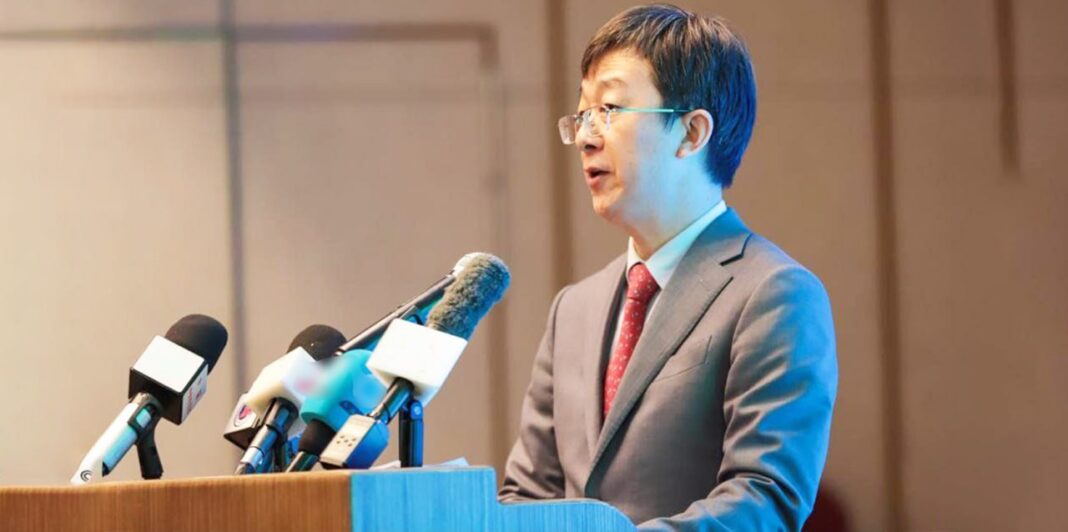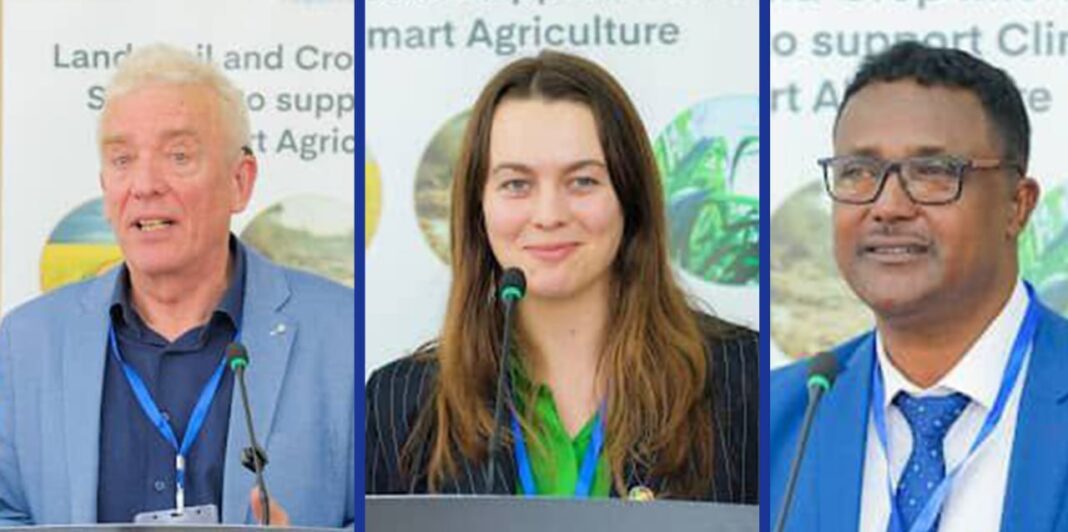
East Africa faces a mounting crisis as worsening soil erosion, crop diseases, and soil fertility decline threaten to undo decades of agricultural development and endanger the region’s long-term food security. Experts, government officials, and international partners have called for urgent action to restore soil health—the foundational element of East Africa’s predominantly agrarian economies.
The Land, Soil, and Crop Information Service (LSC-IS) project, funded by the Dutch Ministry of Foreign Affairs and led by the International Soil Reference and Information Centre (ISRIC), is nearing completion in Ethiopia, Kenya, and Rwanda. This initiative aims to provide actionable data and insights that can guide sustainable land management and climate-smart agriculture.
Agricultural meteorologist Professor Niugussie Dechassa delivered a stark warning regarding the close link between soil condition and human well-being. “Poor soil creates poor people, and poor people get poorer,” he stated, reflecting on his observations across eastern Ethiopia. “Wherever the soil is rich, the people are rich, and the children are well fed. Where the soil is poor, the opposite happens.”
Although there have been incremental improvements in crop and livestock productivity with international support, these gains are insufficient to keep pace with rapid population growth. This imbalance exacerbates persistent vulnerabilities to food insecurity.
One of the critical achievements of LSC-IS has been establishing National Land, Soil and Crop Information Centres—data hubs located in the agricultural research institutes of the three participating countries. These hubs integrate diverse datasets, including field observations, satellite imagery, and economic statistics, making soil and crop information more accessible and actionable for farmers, agricultural advisors, and policymakers.
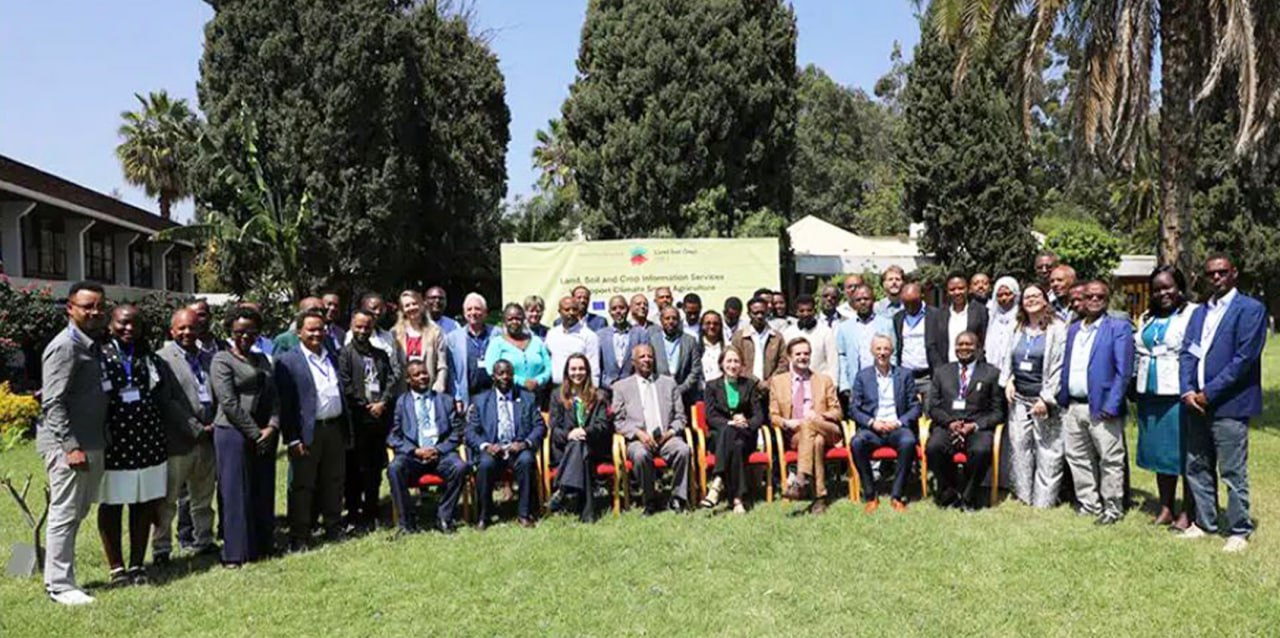
By translating complex scientific data into practical guidance, these centers support the adoption of climate-smart agriculture practices such as soil fertility enhancement, water conservation, and sustainable land use. This approach helps smallholder farmers adapt to climate change and improve yields.
A representative of the European Union, a key project partner, highlighted the importance of sustainable investment in local scientific capacity. The representative urged young African scientists to utilize the new data infrastructure to inform evidence-based policymaking. “We need to make sure that we have the right information to make decisions,” they said.
Despite these advances, experts warn that soil health restoration is a long-term endeavor requiring sustained political commitment, financial investment, and coordinated action across sectors. The LSC-IS project represents a crucial first step, but ongoing support is necessary to scale innovations and embed soil conservation in national agricultural strategies.
The broader vision articulated by stakeholders is to leverage improved agricultural productivity as a catalyst for structural economic transformation in East Africa, ultimately advancing industrialization and regional development.
Soil degradation, driven by erosion, nutrient depletion, and disease, currently costs the region millions annually in lost agricultural output and undermines the livelihoods of millions of smallholder farmers. Failure to act threatens not only food security but also social stability and economic resilience.
National governments are urged to prioritize the financial and technical sustainability of soil and crop information centers, invest in integrated soil management, and embed climate adaptation into rural development.