As Morocco commemorates fifty years since the historic Green March, the Kingdom celebrates not only a defining moment of national unity, but also the consolidation of sovereignty, progress and peace under the leadership of His Majesty King Mohammed VI.
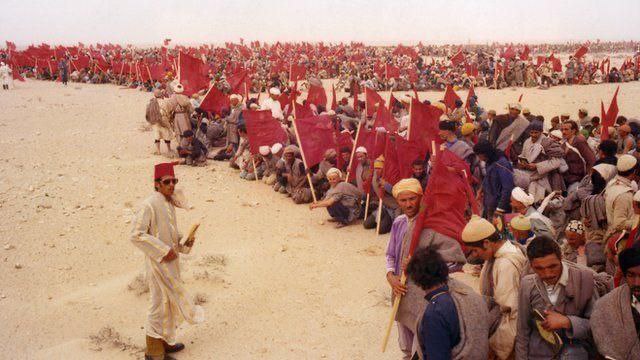
This year marks the fiftieth anniversary of the Green March — a defining moment in Morocco’s modern history and a symbol of national unity and determination. In November 1975, the call of His late Majesty King Hassan II inspired hundreds of thousands of Moroccans to march peacefully toward the Moroccan Sahara, asserting the Kingdom’s sovereignty and right to territorial integrity. It was not a march of conquest, but of faith and patriotism — a collective act that brought the Moroccan people together around a single destiny.
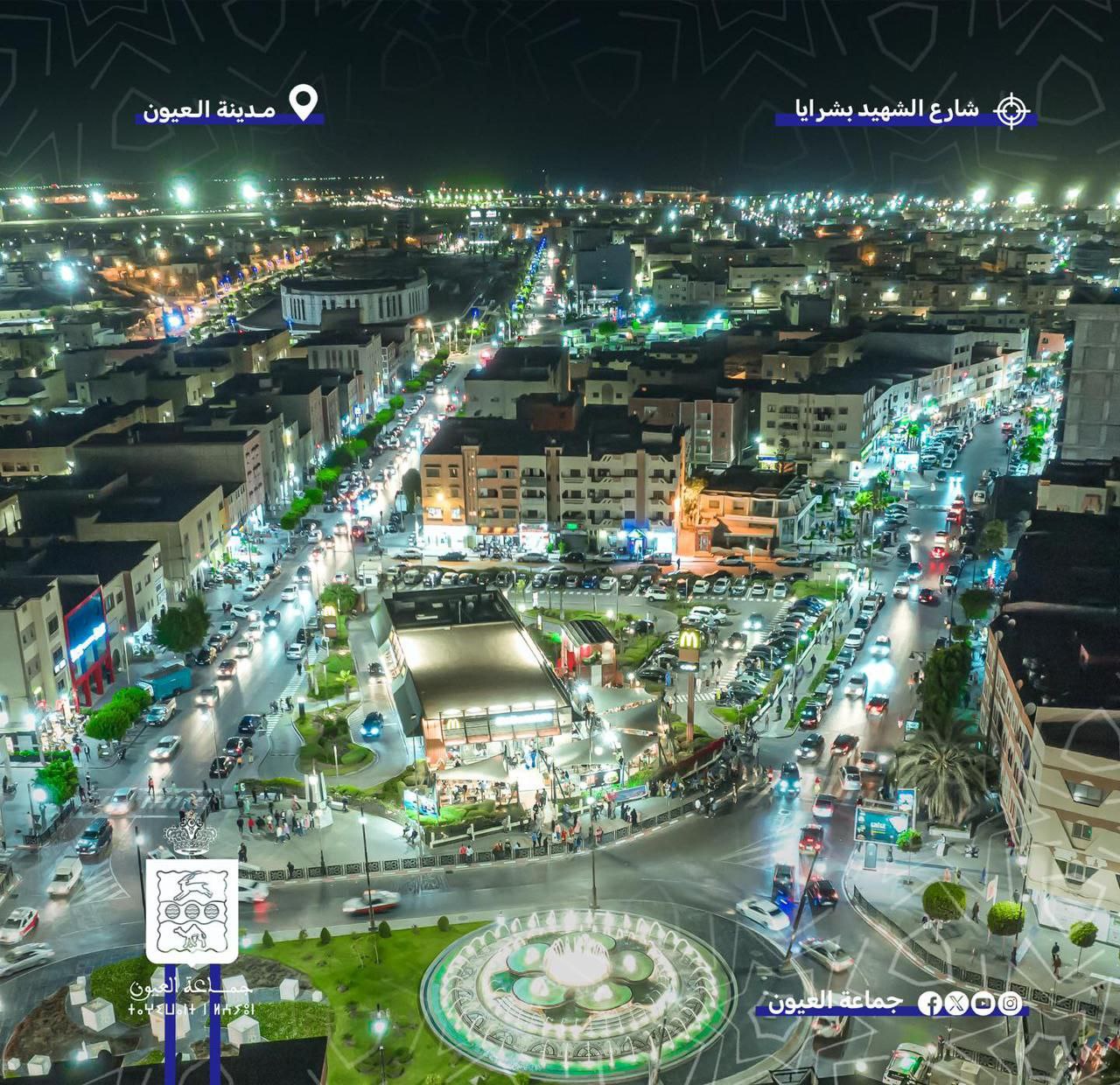
Half a century later, it continues to embody Morocco’s unwavering commitment to its territorial integrity and its broader vision for peace and development. The southern provinces have become a living example of progress and prosperity. Infrastructure, ports, universities, renewable-energy projects and social initiatives have turned the region into a strategic economic hub linking Morocco with the rest of Africa. Commemorating this anniversary therefore means celebrating a national project that continues to thrive, evolve and inspire.
A DIPLOMATIC VICTORY FOR PEACE AND REALISM
The 50th anniversary also coincides with a new diplomatic milestone. The recent UN Security Council resolution on the Moroccan Sahara confirms the credibility and pre-eminence of the Autonomy Plan under the Moroccan sovereignty as the only serious, credible and realistic basis for resolving this regional dispute.
For the Kingdom of Morocco, this decision represents a diplomatic victory — not over others, but for legitimacy, peace and stability. It validates Morocco’s consistent efforts, under the leadership of His Majesty King Mohammed VI, to consolidate its sovereignty over its southern provinces while promoting regional cooperation and economic integration. It also reflects the growing international support for Morocco’s position, as an increasing number of countries now consider the Moroccan Autonomy Plan as the most feasible and sustainable framework for a lasting settlement.
HIS MAJESTY THE KING’S VISION: FROM SOVEREIGNTY TO SHARED PROSPERITY
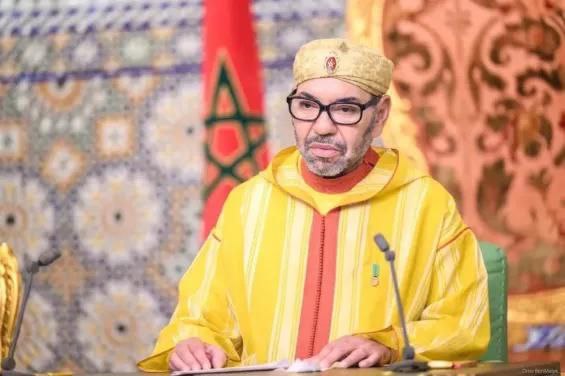
In his address to the nation following the adoption of the resolution 2797, His Majesty King Mohammed VI described this moment as a turning point — a before and an after. The Sovereign affirmed that Morocco is entering a new chapter in consolidating the Moroccan identity of the Sahara, marking the beginning of a definitive resolution to this long-standing issue through a consensual, realistic and forward-looking solution based on the Moroccan Autonomy Plan.
His Majesty emphasised that this is not a victory against any party, but a triumph for peace, legitimacy and development. He reaffirmed Morocco’s steadfast commitment to dialogue and cooperation, extending a sincere hand to regional partners to turn this momentum into a new era of stability and shared prosperity.
A LEGACY THAT CONTINUES TO INSPIRE AFRICA
As Morocco celebrates fifty years since the Green March, it is not merely revisiting its past — it is reaffirming a living legacy that continues to shape its present and future. The transformation of the southern provinces, the consolidation of sovereignty and the renewed international recognition of the Moroccan Autonomy Plan together form a model of resilience and vision.
For African nations, the message is clear and timeless: unity and sovereignty must always serve the higher purpose of development, dignity and peace. The Green March, fifty years on, remains a powerful reminder that when a nation stands united behind justice and progress, its march never truly ends.