The agricultural sector is undergoing a major transformation, with 6 billion birr in loans so far distributed to farmers using land holding certificates as collateral. This marks a significant step toward shifting from subsistence to commercial farming.
For decades, rural producers have been trapped in traditional sharecropping arrangements and cut off from bank credit, despite land being their most valuable asset. Nearly 4 million hectares are still farmed under crop‑sharing, where harvests are split 50–50 between landowners and tenant farmers, a system economists say leaves sharecropped plots about 50 percent less productive than land under fixed‑rent contracts. With tenants receiving only half the returns and unable to pay rent upfront, they have had little incentive or capital to invest in improved seeds, fertiliser or labour.
That is beginning to change. Under a nationwide land registration drive, the government has issued around 32 million land tenure certificates, backed by geospatial data to clarify rights and reduce disputes, which once accounted for up to 75–90 percent of district court cases. Banks and microfinance institutions, including Abay Bank, are now accepting these certificates as collateral, opening formal lending channels to farmers who previously depended on high‑interest informal lenders.
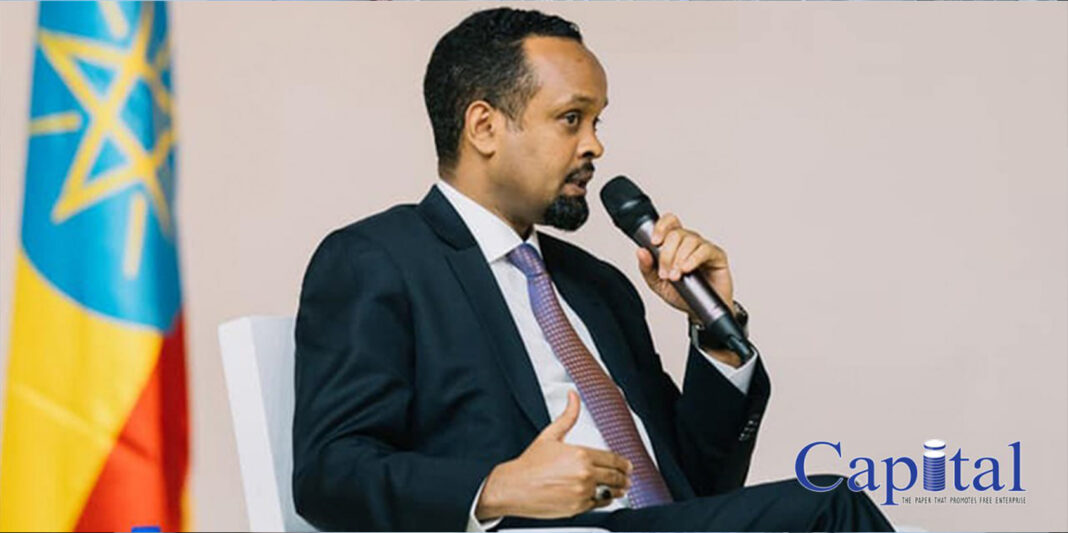
“This transformation allows farmers to invest in machinery and modern inputs as borrowers rather than surviving through extreme frugality,” said Tigistu G/Meskel, Rural Land Administration and Use Executive at the Ministry of Agriculture. He noted that formalising land rights has both eased conflict and “opened financial doors” for rural households.
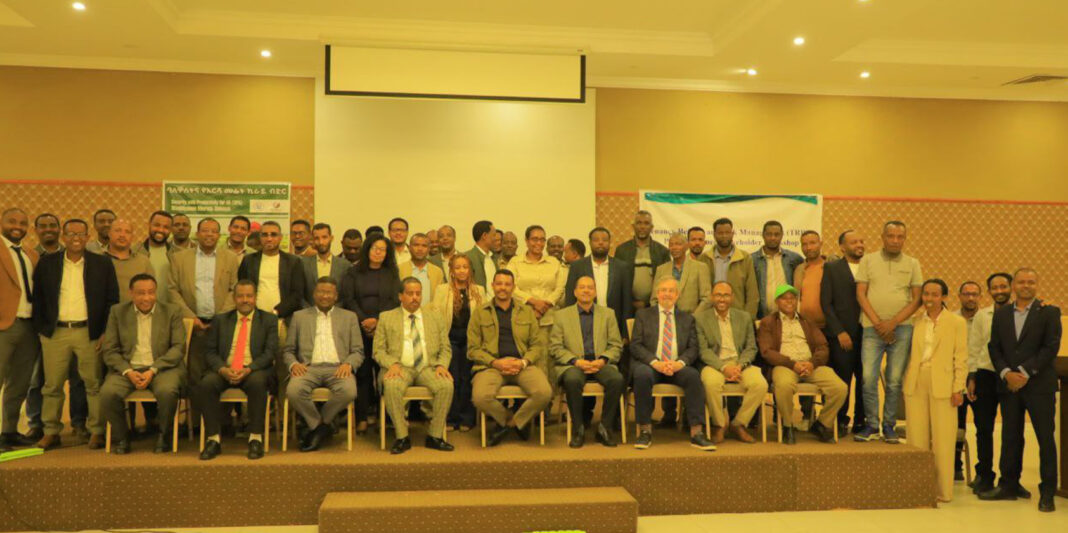
A new pilot launched on 13 January 2026 in Wolaita Sodo aims to tackle the deeper “puzzle of share agriculture” by directly replacing sharecropping with a safer financial model. The Tenancy Reform and Risk Management (TRRM) project, led by Dr. Solomon Zena of the Policy Studies Institute and Professor Michael Carter of the University of California, introduces agricultural land‑lease loans bundled with insurance.
Under TRRM, tenant farmers can take out eight‑month loans to pay fixed land rent before the planting season, shifting them from crop‑sharing to fixed tenancy. Crucially, the loans are linked to index insurance: if local yields fall below historical averages due to drought, pests or other shocks, the insurance pays out, protecting both the lender and the farmer.
The contract is designed as “no‑regret.” For example, a farmer who borrows 10,500 birr for rent could receive up to 14,460 birr in insurance payout in the event of complete crop failure, covering principal, interest and a small income buffer. “Farmers know they get better yields under permanent rent; our role is to provide the financial tools that make that transition safe and profitable,” said Professor Carter.
According to Solomon Zena, if the TRRM model were scaled across the 4 million hectares currently under sharecropping, the country could generate an extra 40 million quintals of grain, significantly boosting national food security.
The project brings together Abay Bank, Nyala Insurance, rural savings and credit cooperatives (RUSACCOs) and NASA Harvest, with funding from the Bill & Melinda Gates Foundation. Officials and researchers say the early results show how secure land rights, tailored credit and risk‑management tools can start to dismantle the structural constraints that have long held back rural productivity and incomes.