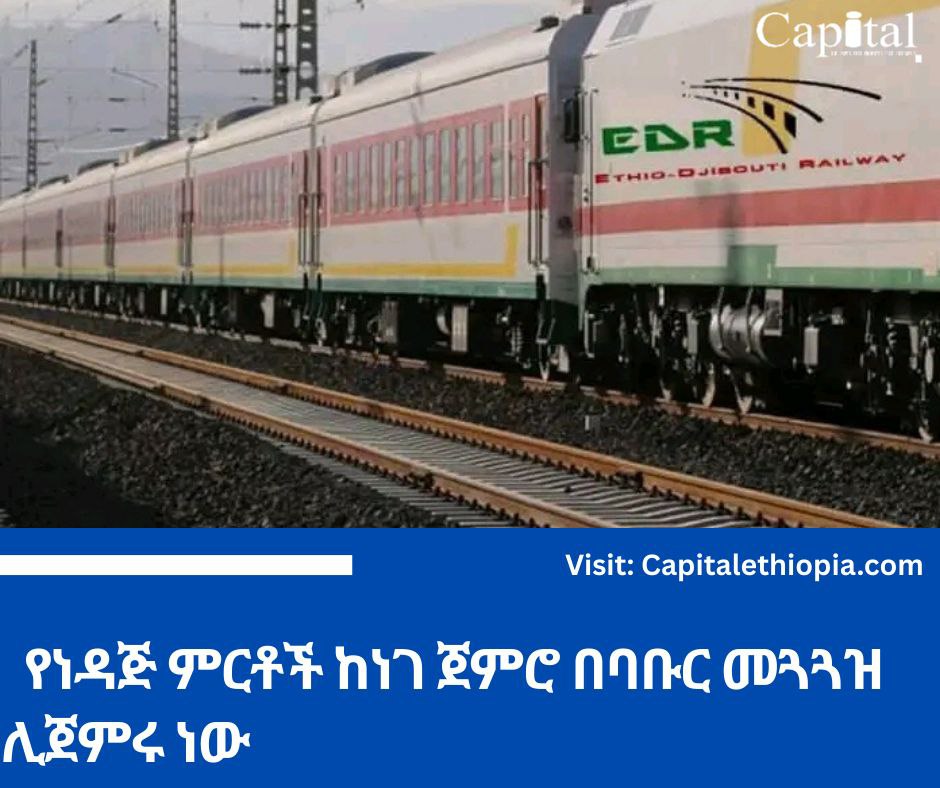
In a bold step to modernize the transportation of strategic commodities, the Ethio-Djibouti Railway (EDR) has teamed up with the National Oil Company (NOC) to launch a pilot project for fuel transportation by train—an initiative spurred directly by Prime Minister Abiy Ahmed’s orders.
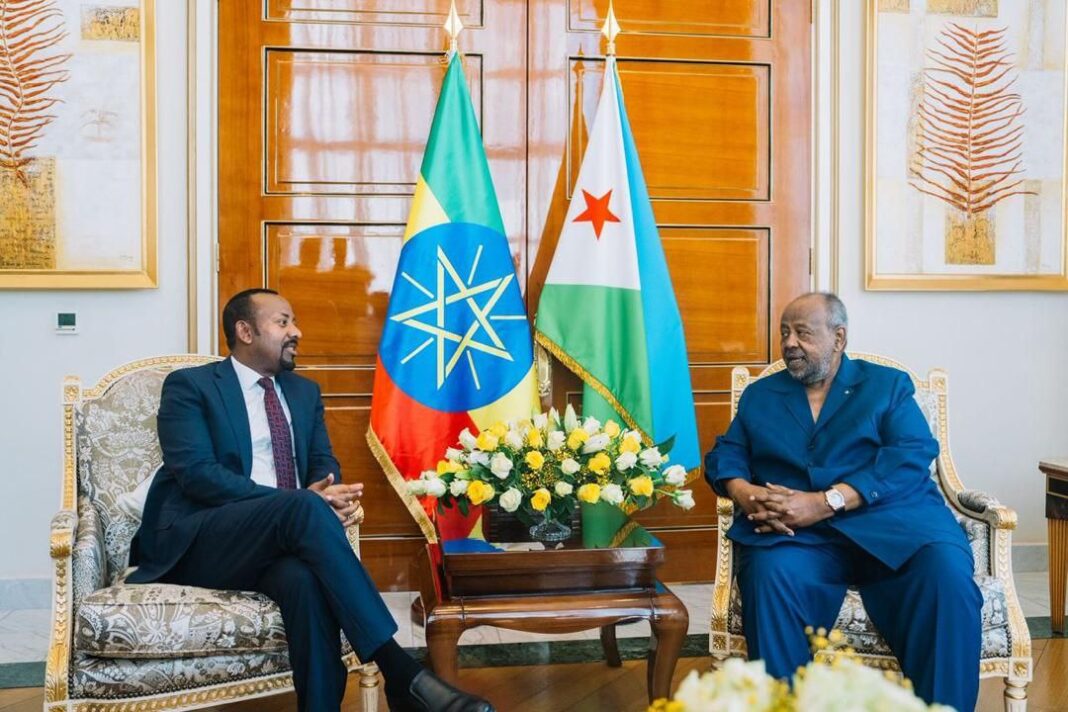
During a high-level visit to Horizon Djibouti Terminals Limited (HDTL) in Doraleh earlier this month, Prime Minister Abiy instructed authorities to immediately begin moving petroleum across the rail network. The directive follows years of underutilization of EDR’s 110 fuel tank wagons, which had remained idle due to missing infrastructure connecting the railway to key oil terminals and depots.
Sources close to the matter told Capital that urgent negotiations are now underway with HDTL to establish a 1.5 km rail link between the Horizon fuel jetty and the nearby train station—an essential connection to make full-scale oil transport possible.
In parallel, EDR and NOC—the largest fuel distributor in Ethiopia and an operator in the Djibouti market for over a decade—have initiated a pilot operation expected to transport 120,000 liters of diesel. The trial run is scheduled to begin on Tuesday, January 27, from EDR’s Indode depot on the southern outskirts of Addis Ababa.
“Once the pilot meets required safety and quality standards, large-scale fuel transportation by rail will officially commence,” sources confirmed.
The move aligns with the federal government’s increasingly assertive push to transport key imports like fertilizer and petroleum through the Ethio-Djibouti railway system—a joint venture between the two countries. Experts say bulk transport via rail could significantly reduce logistics costs and help stabilize Ethiopia’s volatile fuel and fertilizer markets.
Prime Minister Abiy’s directive follows his inspection of Djibouti’s Doraleh Multipurpose Port (DMP)—which handles all of Ethiopia’s fertilizer imports—and HDTL two weeks ago. While DMP currently relies on a 1.9 km “first-mile” trucking route to connect to the rail line, sources say the bottleneck costs Ethiopia roughly USD 10 million annually.
“The government is eager to complete direct rail links to both key terminals as soon as possible,” experts noted, adding that the initiative represents a broader strategic effort to streamline Ethiopia’s import logistics and cut foreign exchange losses.