Despite their growing contribution to national economies and social transformation across Africa, artists and creative professionals continue to grapple with precarious living conditions and limited economic security.
Teshome Wondimu, Founder and Executive Director of Selam and Muzikawi, said the expanding role of the creative sector in national development has not translated into improved livelihoods for practitioners.
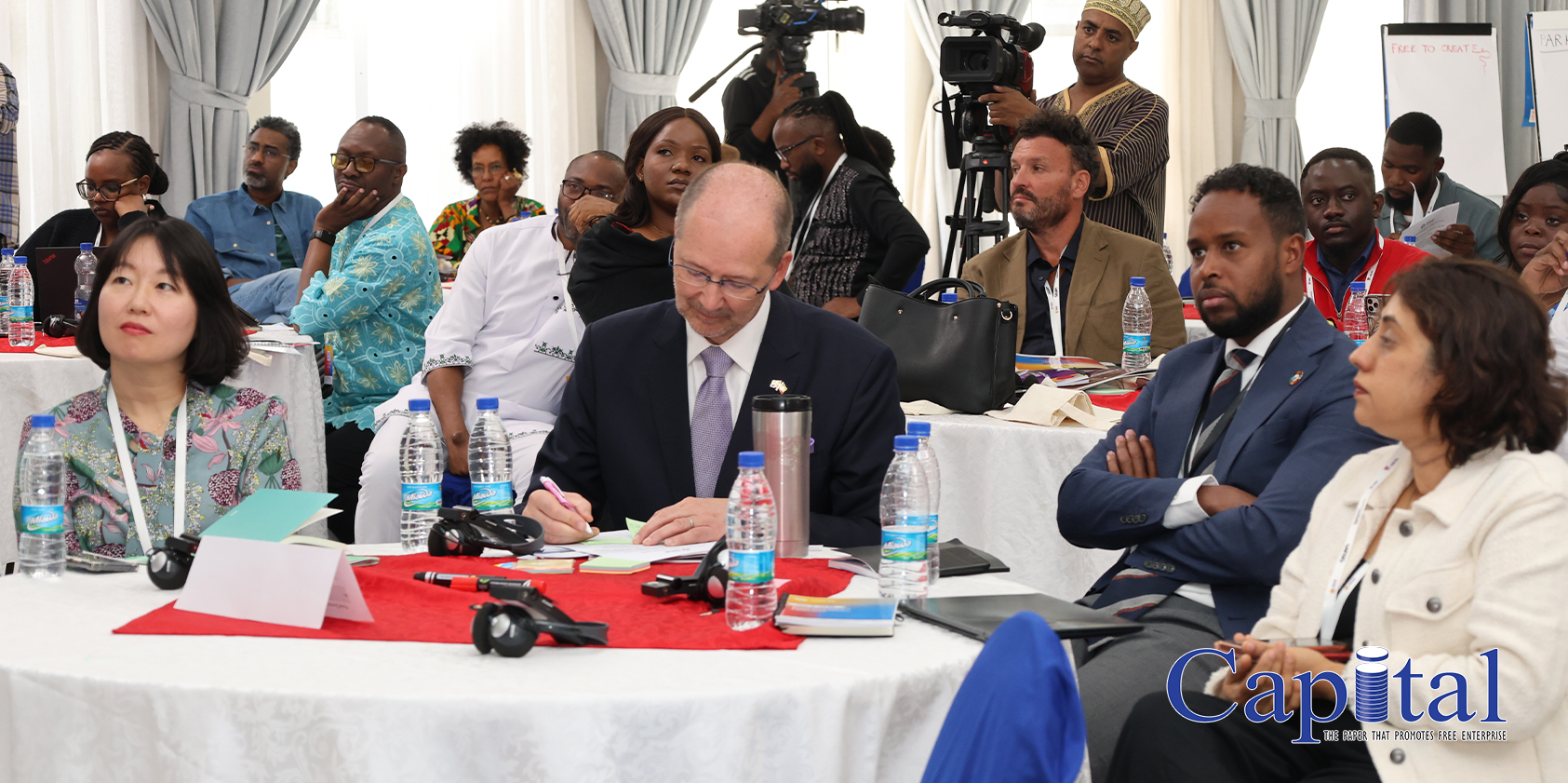
The 5th Pan-African Network for Artists’ Freedom (PANAF) Summit, held from February 6–8, 2026, in Addis Ababa, brought together delegates from African and European countries, government officials, policymakers and industry experts. The summit, which made its Ethiopian debut after four consecutive years in Zanzibar, was organized by PANAF in collaboration with Selam Ethiopia and Artists at Risk Connection (ARC).
Although professional freedom and economic protection were central to the agenda, discussions were largely dominated by concerns over the economic insecurity facing artists across the continent.
“Professionals are often called upon to voice solutions for national issues, yet little attention is paid to their own economic struggles,” Teshome said, underscoring what he described as a critical gap in policy and support.
He noted that minimal government budget allocations to culture and the creative industries have hindered artists from transforming their talents into sustainable income. Limited access to specialized education and structured career pathways further compounds the challenges facing the sector.
Participants also highlighted emerging pressures in the digital era. While technological advancements have created new platforms and opportunities, they have also introduced complex challenges related to copyright protection and equitable revenue sharing.
“Digital possibilities are promising, but new issues around copyright and income distribution prevent artists from earning what they deserve,” Teshome said.
Despite the continent’s vast creative talent, the absence of robust industry infrastructure continues to obstruct efforts to convert cultural capital into tangible economic growth. As a result, many professionals remain unable to support themselves and their families solely through their craft.
Beyond economic concerns, the summit emphasized the intrinsic link between freedom of expression and sustainable development. Teshome stressed that artists must be allowed to create freely within the bounds of the law.
“If professionals cannot freely express their talents, the cultural sector cannot transform—benefiting neither the country nor the individual,” he said.
He further noted that in several African countries, artists face imprisonment, physical assault and even death for expressing themselves. Such repression, he said, not only undermines their psychological well-being but also cripples their economic activity.
Participants pointed to a significant disconnect between policy frameworks and implementation. While instruments such as the African Union’s Agenda 2063 and UNESCO conventions advocate for artists’ rights and cultural freedom, awareness and enforcement remain limited.
Established in 2022, the PANAF network seeks to bridge this gap by empowering African artists to advocate for their rights and present their concerns on global platforms.
“In the past, the challenges of African professionals were largely researched and voiced by actors outside the continent,” Teshome said. “Now, this African-led movement is creating space for artists to directly engage with government officials and policymakers.”
Held under the theme “Impacts, Pressures and Opportunities in the Digital and Economic Ecosystem,” the summit concluded with a call for stronger collaboration among governments, policymakers and creative professionals.
Key recommendations included increased public investment in the creative sector and strengthened measures to ensure the safety and economic empowerment of artists across Africa.