
Ethiopia’s social entrepreneurs are battling to transform high-quality educational innovations from promising pilots into nationwide solutions, with experts warning that without urgent investment and systemic support, many ideas risk dying on the drawing board.
Sofia Breitholtz, CEO of Reach for Change, highlighted the core obstacles: “difficulty of scaling” and “challenges of implementing” new technologies within Ethiopia’s market constraints. While creative solutions abound, she said, transitioning effective pilots into regional or national services demands more than good ideas – it requires robust business training, government partnerships and reliable funding pathways.
Unlike mature markets, Ethiopia’s social entrepreneurship ecosystem struggles with “lack of institutional adoption,” where proven innovations fail to integrate into public school systems or local infrastructure. Breitholtz stressed the need to push solutions beyond Addis Ababa to reach underserved regions, particularly female students facing educational barriers and children with disabilities lacking accessible learning tools.
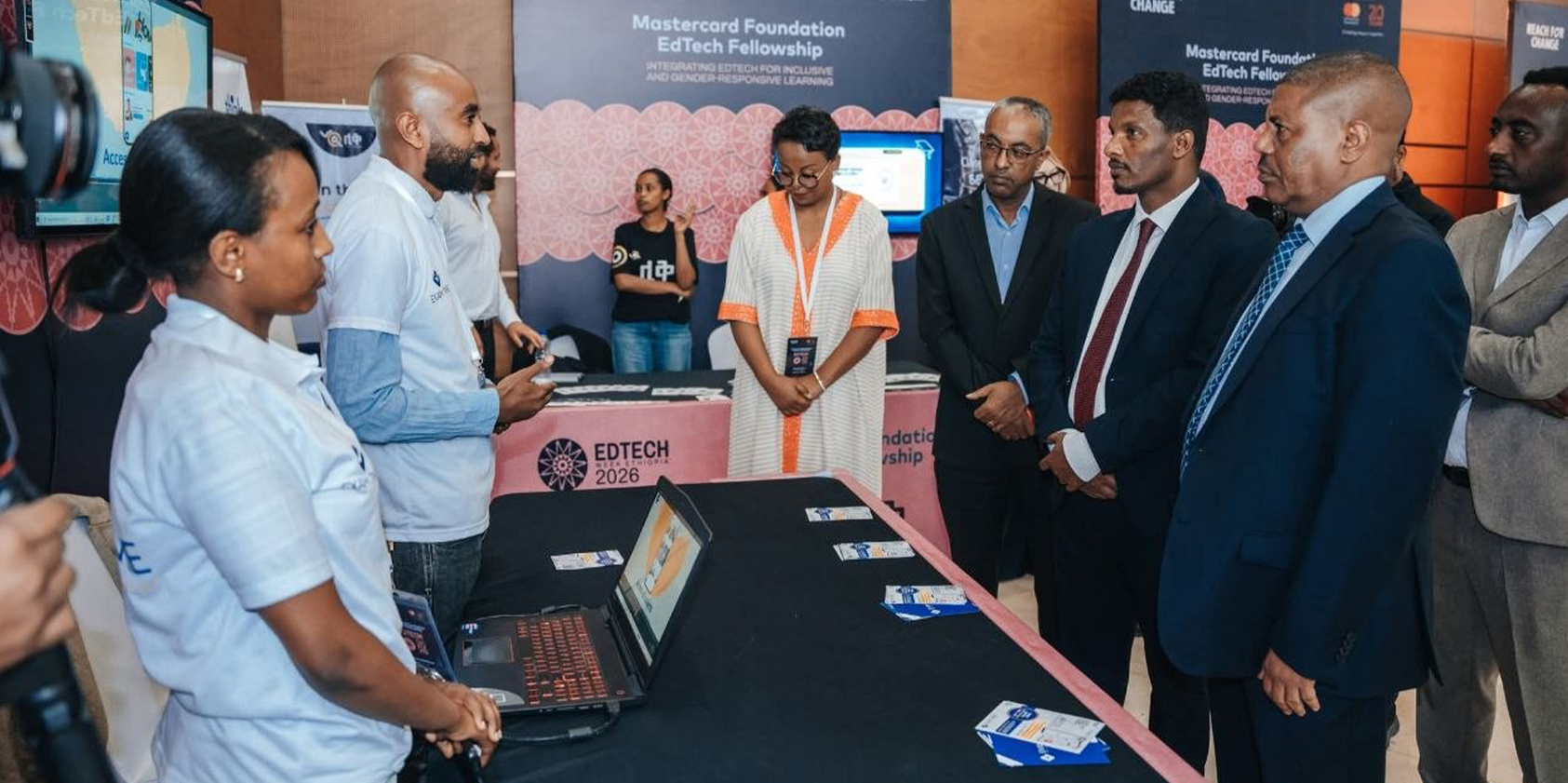
Reach for Change Ethiopia, marking a decade in the sector, is stepping up with a five-year, Mastercard Foundation-backed initiative alongside the Ministry of Education. Country Manager Mekdim Gulilat announced up to $60,000 in grants and technical support for young EdTech entrepreneurs modernizing education through technology.
The program – now welcoming 12 more participants to reach 36 total – targets scalable businesses already operating beyond the idea stage. Support spans phased milestone-based funding, marketing and branding training, business management coaching, and digital content design courses with Carnegie Mellon University.

Crucially, solutions must align with Ethiopia’s national curriculum while building platforms to connect founders with local and international investors. “Young entrepreneurs often can’t meet bank collateral requirements,” the organization noted. These grants provide critical leverage, with coaching and networks proving as vital as cash.
Qualifying ventures must demonstrate potential to solve regional problems – from rural girls’ education gaps to disability-inclusive learning. The funding releases in tranches tied to performance, ensuring accountability while building sustainable growth capacity.
Industry leaders say Ethiopia’s EdTech moment has arrived, fueled by rising smartphone penetration and post‑pandemic digital acceleration. Yet without bridging pilot‑to‑scale gaps, the country risks losing homegrown talent to foreign competitors or abandoning innovations at the local level.
Reach for Change’s model offers a blueprint: pair financial risk‑taking with institutional buy‑in and capacity building. Success stories already emerging show EdTech firms expanding from single woredas to multi‑regional operations, delivering curriculum‑aligned apps, AI tutoring tools and accessible learning platforms.
The stakes extend beyond individual startups. Ethiopia aims to educate 30 million students by 2030 amid teacher shortages and infrastructure gaps. Scaling proven EdTech could unlock learning for millions, but only if pilots secure the ecosystem support to thrive.
As Mekdim Gulilat put it, the real win lies in “bolstering the country’s educational ecosystem through innovation” – not isolated experiments, but integrated solutions reshaping classrooms nationwide.