Investors in Ethiopia’s industrial parks have reported that shortcomings in banking procedures and restrictions on fund transfers between banks are imposing significant hardships and unnecessary costs.
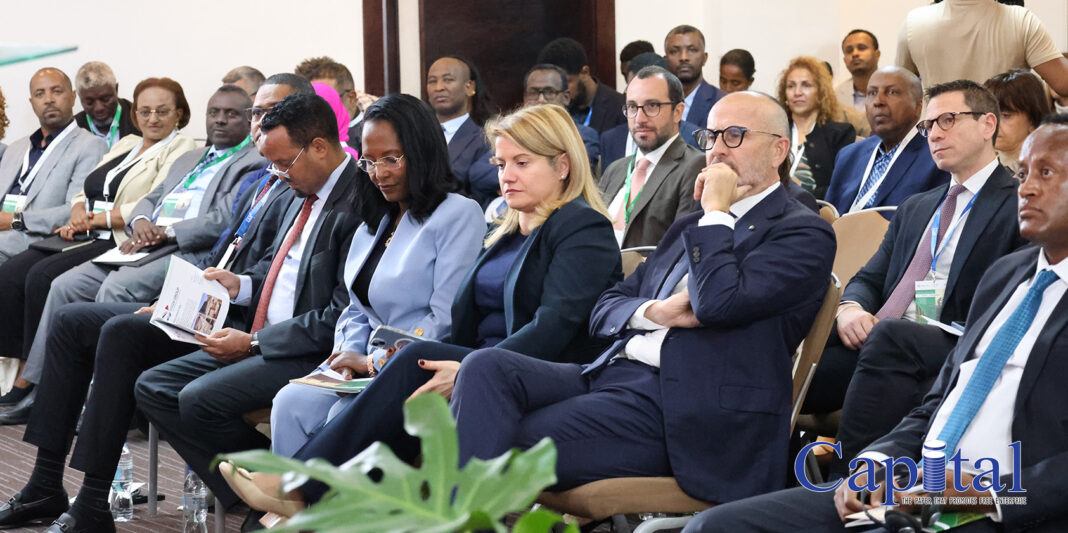
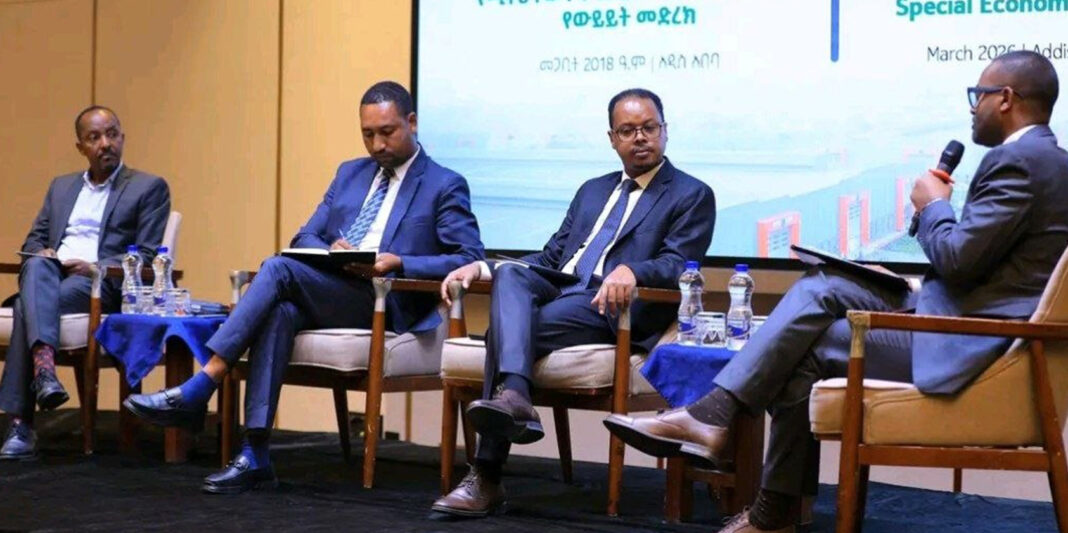
These concerns were raised during a consultative forum attended by officials from the National Bank of Ethiopia, the Industrial Parks Development Corporation (IPDC), and various commercial banks.
A primary issue highlighted by investors was their inability to freely transfer their own capital between banks. This restriction not only limits their financial flexibility but also creates obstacles when they need to manage funds for various purposes. As one investor lamented, “We have become prisoners of our own money due to the limits set by banks.”
A representative from Everest Apparel in the Hawassa Industrial Park underscored the severity of the situation, stating, “We should have full freedom to transfer funds held in our company’s name to another bank for better financial management; however, we are completely restricted. This is deeply frustrating.”
Additionally, delays in processing foreign currency (USD) payments by bank professionals have resulted in substantial losses for companies. Payments for land rent and immigration fees to government institutions have been delayed for over a week, forcing investors to incur a daily penalty of $30.
“This is a clear injustice against our company,” the representative added, emphasizing that since the delays were caused by the bank and not the company, it is unfair for the investor to bear such penalties.
Furthermore, the prohibition on earning interest on foreign currency held in bank accounts for extended periods has become another significant grievance.
Investors have reported that when they seek to place their funds in Time Deposits to earn interest, banks deny their requests, citing “no directive.” They have called for clarification on whether this is a regulation from the National Bank of Ethiopia or an internal policy of commercial banks.
A representative from NASA Garment in Hawassa Industrial Park elaborated on how the banking system overlooks the practical needs of the industry. He noted that banks’ persistent focus on property collateral for lending presents a major challenge.
Specifically, NASA pointed out that banks’ failure to distinguish between Capital Expenditure (CAPEX) and Operating Expenditure (OPEX) significantly hampers domestic investors. This misunderstanding has led to operational cash shortages for companies in the sector, diminishing their competitiveness.
Currently, there are about 22 operational Special Economic Zones in Ethiopia, developed by both the government and private developers, with nearly 700 enterprise activities underway across the country.
According to the latest IPDC report, domestic investors now account for 58.5% of new firms entering Special Economic Zones.
Following the implementation of the new Special Economic Zone Proclamation (No. 1322/2016), aimed at accelerating economic growth and attracting foreign investment, the Ethiopian government has established strict requirements for developers wishing to operate in this sector.
Under the new directive, investors or organizations must have a minimum investment capital of $75 million to obtain a license as a Special Economic Zone Developer. Additionally, the land area to be developed must not be less than 50 hectares.
These zones serve as hubs for government policy experimentation and play a crucial role in diversifying the country’s economy beyond manufacturing into trade and service sectors.