For years, Ethiopia’s real estate sector—a multi-billion birr industry—has struggled with a lack of trust and inadequate legal frameworks. In response, the government is implementing an Escrow Account system aimed at securing home buyers’ funds.
This initiative is based on the recently ratified Real Estate Development and Immovable Property Marketing and Valuation Proclamation (No. 1357/2024). It seeks to restore trust and protect home buyers from exploitation by developers.
For the first time in Ethiopian history, real estate developers are legally barred from accessing funds deposited by buyers until specific construction stages, as outlined in their contracts, are verified. This measure is expected to stabilize a sector currently shaken by a 60% increase in construction material costs, effectively removing “briefcase developers”—those operating with little more than a plan—from the market.
Leaders of the Ethiopian Real Estate Developers Association (EREDA) report that high inflation and administrative hurdles have significantly impacted the sector in recent years. Distortions in the market, such as developers selling below market value, failing to deliver homes on time, and occasionally abandoning projects, have damaged public perception of the industry.
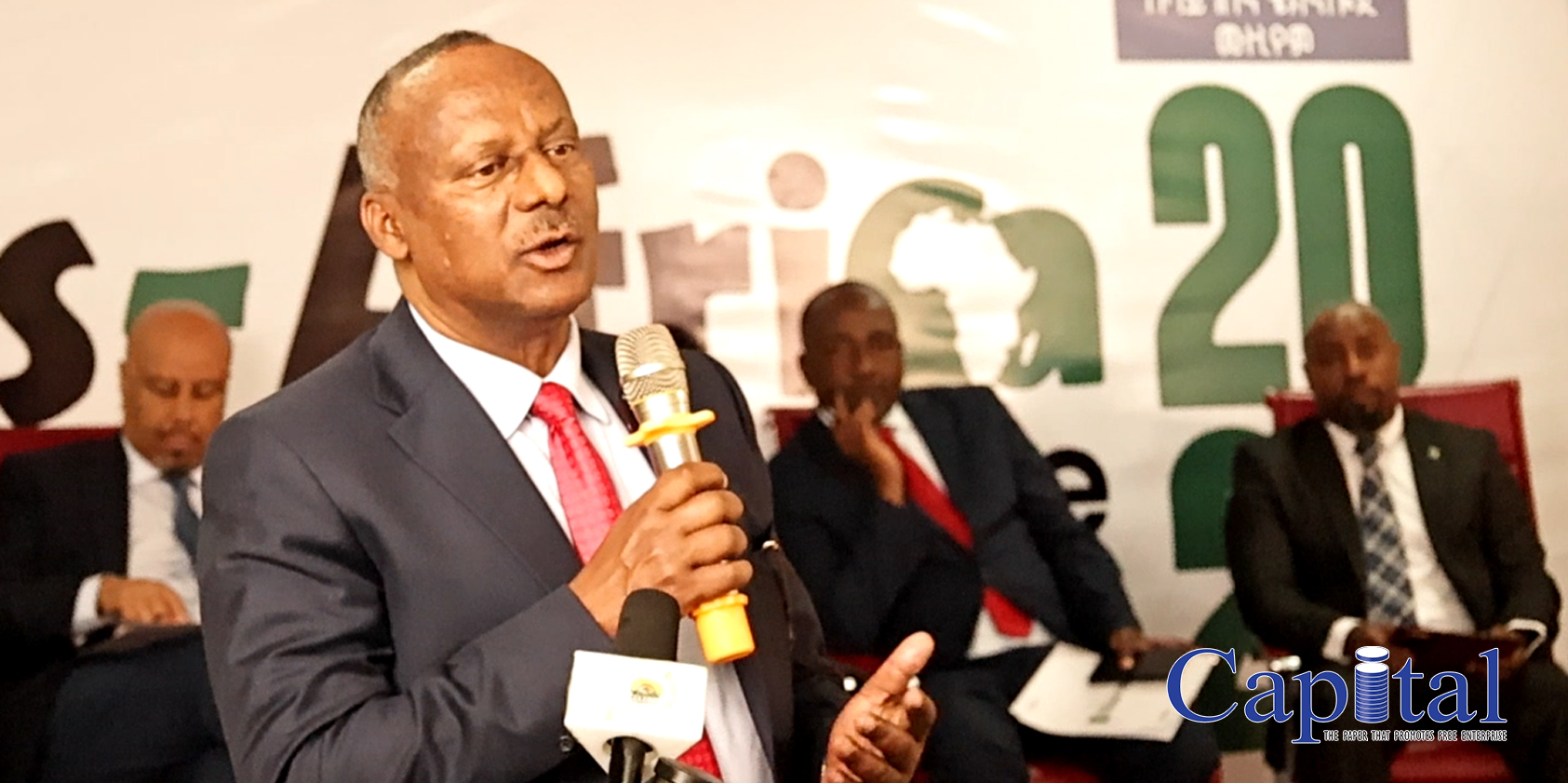
Alemayehu Ketema, Board Chairman of EREDA, emphasized that market instability and a pervasive “disease of mistrust” have hindered the sector’s growth. This has created a chilling effect, where developers fear buyers won’t pay, and buyers fear developers won’t build.
These comments were made during a press briefing about Ethiopia hosting the first Continental Real Estate Exhibition and the African Real Estate Society (AfRES) Regional Conference, set to take place in three weeks. Organized by EREDA and Doxa Events, the exhibition will be held in Addis Ababa from April 23–26, 2026.
During the briefing, the Chairman pointed out that some developers have undermined the market by selling below construction costs and failing to fulfill contracts. “By harming the market like a merchant who consumes his seed capital, the sector has been cooling down,” Alemayehu remarked, explaining that the new Escrow system aims to address this longstanding issue.
He also noted that the sector has been plagued by false advertisements and misleading pricing, pushing honest developers out of the market. To combat this, the new legal framework, drafted by the Ministry of Justice and approved by Parliament, mandates that real estate development requires a unique, independent license. Developers who violate this regulation face severe penalties, including license revocation.
Under previous practices, developers would collect 30% to 100% of payments before construction began, often diverting those funds to other ventures—this was a primary cause of project delays and buyer frustration. The Escrow system introduces a method where a neutral third party or the government oversees fund transfers. In this system, buyers’ money is held in a locked account and released in stages as construction progress is verified.
“Depositing money in an escrow account does not mean it is withheld from the developer,” Alemayehu clarified. “Instead, it facilitates a smoother process where the developer receives funds more quickly, the buyer makes systematic payments, and the builder adheres to established guidelines.”
Tomas Girmaye, the President of the Association, stated that efforts to regulate the sector through legislation have been ongoing for the past seven years. He confirmed that the proclamation has been drafted and the implementing regulations are now finalized after extensive discussions with the Ministry of Urban and Infrastructure.
Established 13 months ago, the Association has created a comprehensive five-year Strategic Roadmap. This plan was developed by analyzing the challenges faced in Ethiopian real estate over the last 25 years and comparing these issues to international—particularly African—experiences.
“For the past 25 years, the sector has operated without an adequate legal framework,” the Manager noted. “This has led to a significant erosion of public trust. Our roadmap aims to rectify this by introducing policy reforms and professional standards.”
The Association formulated the regulations through five to six consultative forums with the Ministry of Urban and Infrastructure. According to the Manager, the board members bring a collective 120 years of professional experience, ensuring that the new system is both practical and implementable.
Ethiopia is also enhancing its relationships with international institutions to maximize its real estate potential. Following a recent meeting of the African Real Estate Society in Nigeria, Ethiopia was elected as a member. The decision to host next year’s continental conference in Addis Ababa represents a significant recognition for the country.