
Smallholder farmers, who are essential to Ethiopian agriculture, are losing over 70 percent of their produce to waste, driven by climate change and systemic challenges. A study by the Policy Studies Institute (PSI) reveals that despite improvements in production levels, a substantial portion of the harvest is wasted before reaching the market due to inadequate storage facilities and the effects of climate change.
Selamawit Gebreegziabher, a senior researcher at PSI, noted that data collected from 2,000 farmers indicates those in the Jimma Zone of Oromia and the Wolaita Zone of Southern Ethiopia are particularly vulnerable to unusual rainfall patterns and rising temperatures. Most respondents reported that climate change has directly and negatively affected their livelihoods. While farmers are attempting to adapt by harvesting rainwater and implementing soil conservation practices, the scale of the challenges they face far exceeds their efforts.
Among the households surveyed, 72.3 percent reported high post-harvest losses of maize in the control groups, while 65.1 percent in the treatment groups faced similar issues. These losses are largely attributed to traditional and inadequate storage systems, as well as fungal contamination known as “aflatoxin.” Additionally, Selamawit explained that since most sales occur at the village level through brokers, farmers have limited bargaining power over prices. Even with the existence of cooperatives, their role in strengthening the marketing chain remains underdeveloped.
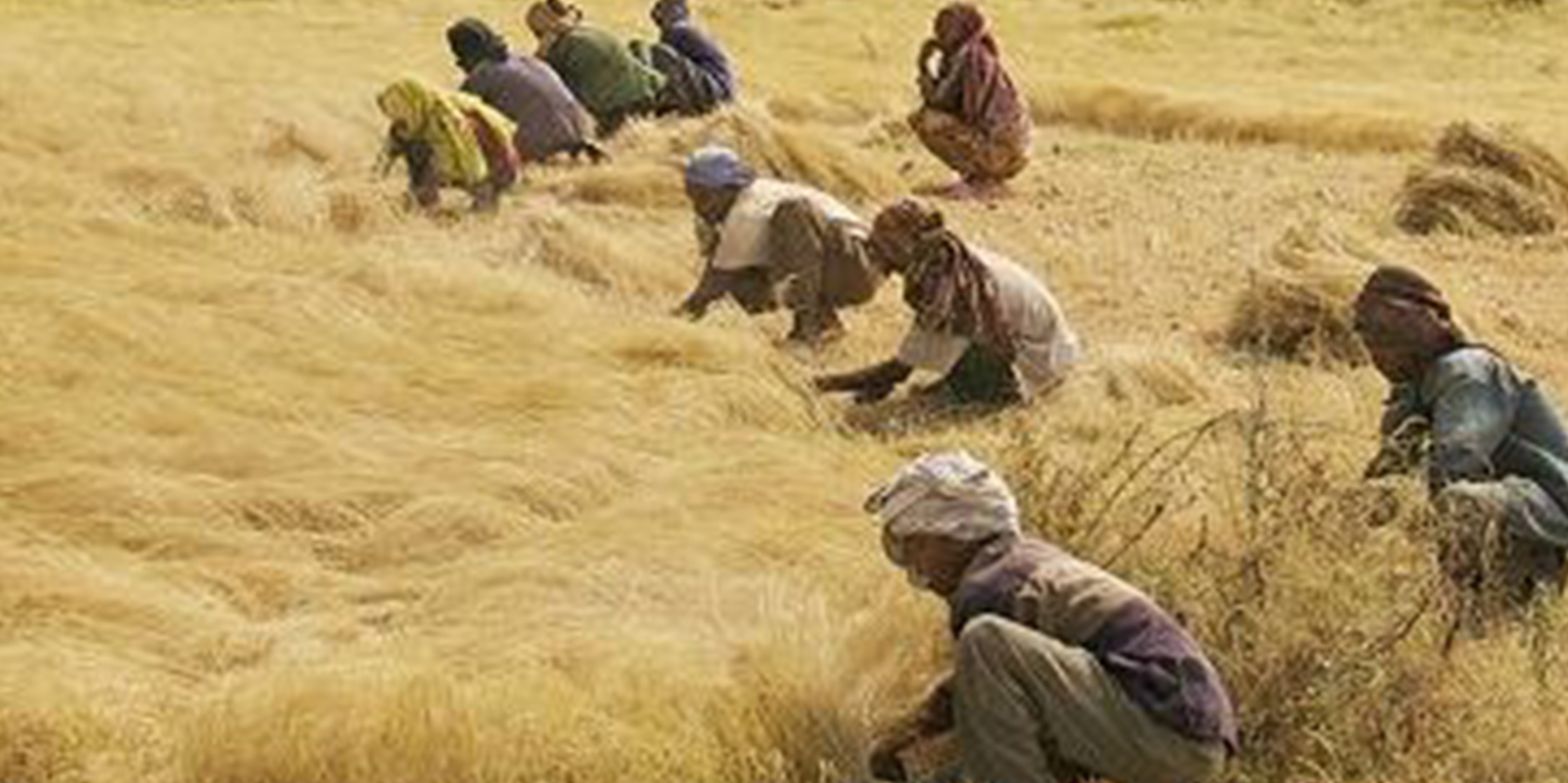
The report emphasizes that these losses represent a significant barrier to achieving national food security and enhancing climate resilience. The study highlights that waste is exacerbated by unpredictable rainfall patterns and rising temperatures, with farmers expressing their vulnerability to extreme climate fluctuations. Most lack the technological capacity to adapt to these impacts.
Importantly, Biochar technology—beneficial for soil fertility and climate resilience—is almost entirely unknown among farmers. Less than 3 percent are aware of it, and even fewer utilize it, revealing a substantial gap in the dissemination of scientific advancements to grassroots levels. Researchers found that farmers often have to sell their produce to village brokers and traders instead of formal contracts, further diminishing their negotiating power.
Although farmers’ cooperatives exist, they have struggled to provide the expected market security due to operational and leadership challenges. The ACRFSE project, running until 2028, aims to focus on key crops such as soybeans, maize, and teff, with activities designed to enhance the financial and climate resilience of soybean and grain producers, as well as to strengthen cooperatives for better market access.
These findings were presented in a progress report for the research project titled “Accelerating Climate-Resilient Food Systems in Ethiopia (ACRFSE).” During the presentation, Selamawit emphasized that the project seeks to improve farmers’ lives not only by providing information but also by offering practical solutions like modern storage facilities and Biochar training. The study concludes that in Ethiopia’s fight against climate change, simply increasing production is insufficient; effectively protecting what is already produced is equally crucial.