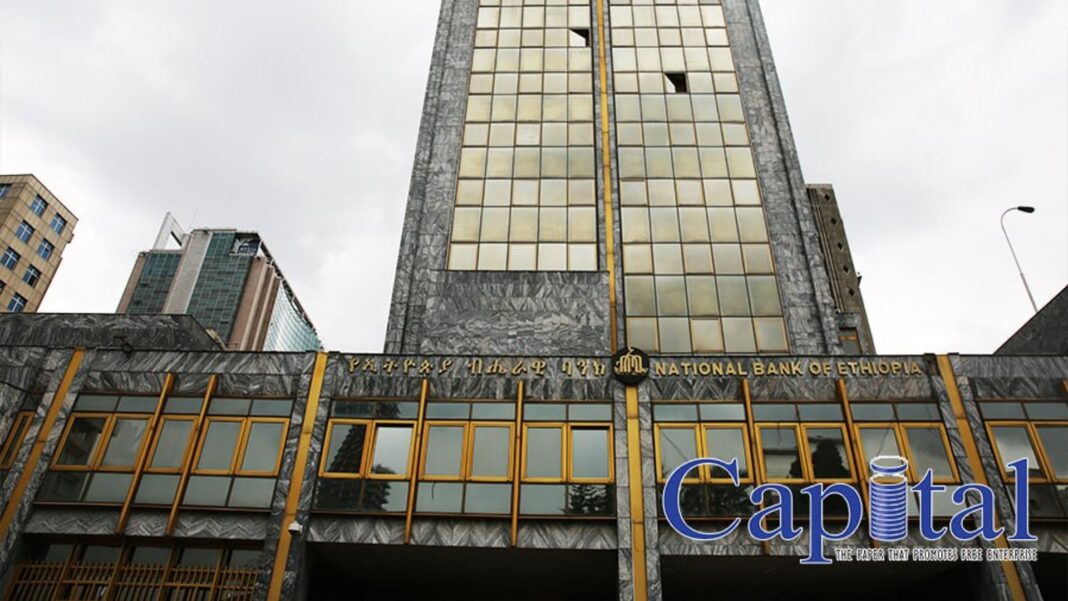
Financial technology companies, commercial banks, insurance firms and other financial institutions in Ethiopia will soon be able to test innovative products and business models in a live, controlled environment under a new regulatory framework introduced by the National Bank of Ethiopia (NBE).
Regulatory Sandbox Directive No. FS/01/2026, which takes effect on November 17, 2026, establishes a formal mechanism allowing financial innovators to trial new products, services and technologies under central bank supervision before obtaining full regulatory approval or entering the wider market. The initiative is expected to modernize the financial sector, encourage competition and expand access to services while safeguarding consumers and maintaining systemic stability.
Broad Eligibility and Joint Ventures Participation is open to a wide range of entities, including commercial banks, insurers and reinsurers, microfinance institutions, payment instrument issuers, payment system operators, capital goods finance companies and money transfer operators. Prospective institutions seeking licences and entities applying for recognition under emerging financial service categories are also eligible.
Applications may be submitted individually or jointly, creating opportunities for collaboration between established institutions and emerging fintechs. Such partnerships will allow technology-driven startups to leverage the operational experience and customer networks of traditional banks.
Strict Admission Criteria To ensure only viable and genuinely innovative projects are admitted, applicants must prove their proposals fall within the NBE’s regulatory mandate and offer meaningful improvements over existing solutions. They must also demonstrate tangible consumer benefits—such as lower transaction costs, wider accessibility, enhanced service delivery or stronger risk management—and show that current regulations prevent them from testing under normal market conditions. Technologies must already be sufficiently developed for live trials.
The central bank will issue public calls for applications at least twice a year. Proposals will undergo a two-stage evaluation requiring detailed business plans, governance frameworks and technical documentation. Non-refundable application fees range from 35,000 birr for general applicants to 100,000 birr for commercial banks.
Testing Timeline and Non-Negotiable Rules Admitted institutions will receive an initial testing window of up to 12 months, which may be extended once for another year upon proof of satisfactory progress and central bank approval.
While the NBE may grant temporary exemptions from specific rules to facilitate trials, participants cannot bypass fundamental legal obligations. Anti-money laundering, counter-terrorism financing, cybersecurity and data protection laws will remain strictly enforced throughout the testing period.
Consumer Protection and Oversight To ensure innovation does not compromise financial security, institutions must obtain explicit written consent from customers before enrolling them in trials, clearly explaining all terms, conditions and potential risks. Participants must also maintain free, accessible complaint-handling systems capable of resolving disputes within 10 working days, and they will bear full financial liability for any consumer losses or harm resulting from the tests.
The NBE retains extensive supervisory powers over all sandbox operations. It can demand real-time access to operational data and conduct both scheduled and unannounced compliance inspections. Furthermore, institutions must report major incidents—including cyberattacks, data breaches, system failures and suspected fraud—within 24 hours.