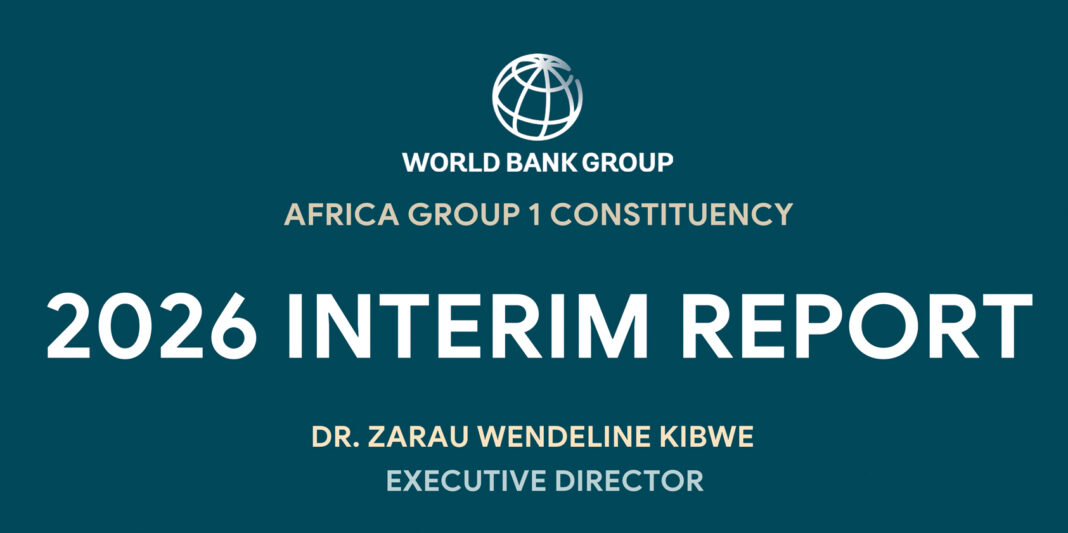
Ethiopia is being encouraged to deepen reforms, protect food security and attract more private capital as global shocks continue to squeeze Sub-Saharan Africa’s economic outlook, according to a new Africa Group 1 interim report from the World Bank Group constituency. The report says the region has benefited from stabilization gains, but mounting pressure from conflict, higher import costs and tighter financing conditions is testing those gains.
The April 2026 report places Ethiopia among the constituency countries most exposed to the spillovers from the Middle East conflict, which has disrupted supply routes, increased fuel and fertilizer prices and added pressure to inflation across the region. It says the shock is feeding through to food systems, external balances and fiscal space at a time when many governments already face debt and financing constraints.
For Ethiopia, the report underscores the need to build stronger resilience in agriculture, energy and public finances. It calls for targeted social protection, improved agricultural productivity and more efficient supply chains to protect food availability and affordability.
The report also says Ethiopia and other African economies should prioritize reforms in energy, logistics and business regulation to improve efficiency and support growth. It argues that streamlined rules and better governance are essential if public spending is to deliver more value and if private investors are to gain confidence.
Another priority highlighted in the report is deeper regional integration through initiatives such as the African Continental Free Trade Area. The report says stronger cross-border trade and cooperation can help countries diversify markets, reduce vulnerability and improve economic resilience in a more volatile global environment.
The World Bank Group’s constituency report also points to the need for concessional financing, technical assistance and coordinated support from international partners. It says these tools will be especially important for countries like Ethiopia that must manage immediate shocks while continuing medium-term reforms.
The report further notes that countries in the region should invest in digital infrastructure, climate adaptation and disaster risk management, particularly in agriculture and energy. It says these investments can help economies absorb external shocks more effectively and sustain development gains.