Children in developing countries continue to face dangerously high risks during and after surgery, with mortality rates up to seven to ten times higher than in developed nations, according to experts speaking at the launch of a new pediatric surgical safety initiative in Ethiopia.
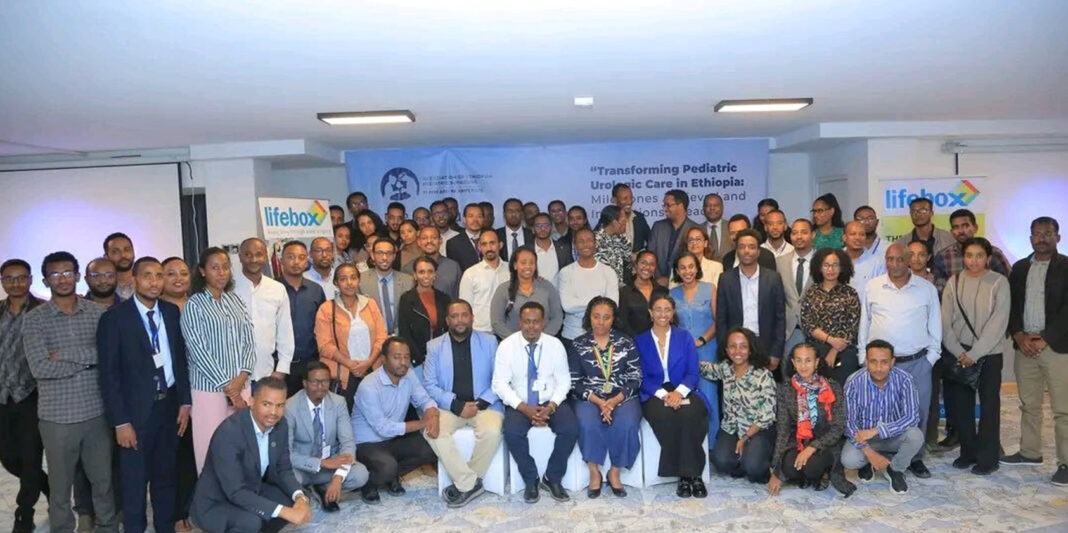
The warning came during the unveiling of the Safe Surgical System Strengthening for Children Surgery program, a partnership between the Lifebox Foundation and the Ethiopian Pediatric Surgeons Association. The initiative aims to improve the safety of pediatric surgery and address the structural and resource-related gaps that continue to undermine outcomes for children.
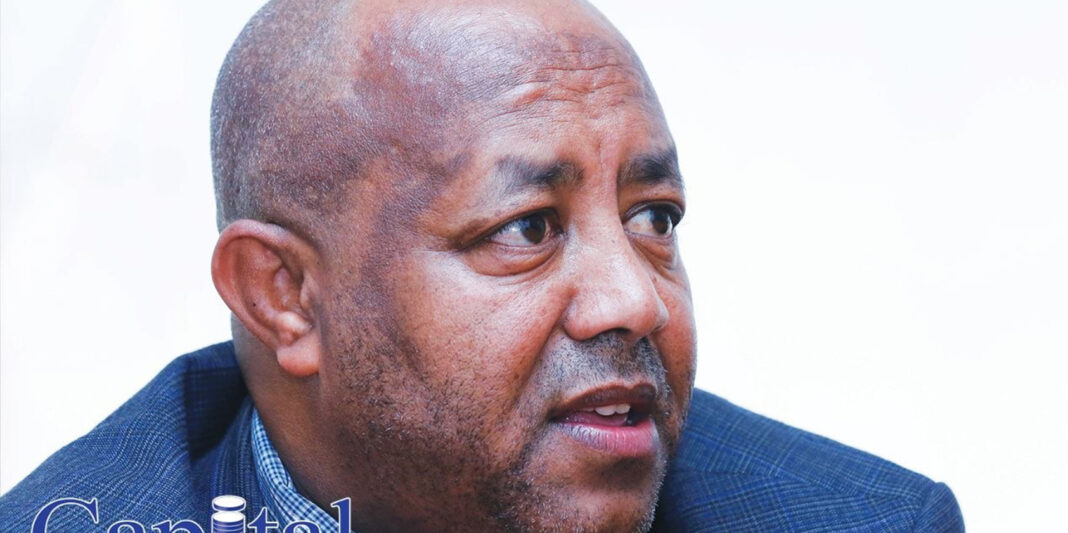
Dr. Tihitena Nigussie, President of the Ethiopian Pediatric Surgeons Association and Global Clinical Director at Lifebox, said the disparity is driven largely by a lack of essential equipment and systemic weaknesses in surgical care.
“Unlike developed countries, we have a mortality rate that is seven to ten times higher,” she said, adding that one of the biggest problems is the absence of equipment needed to regulate a child’s body temperature during and after surgery. When children’s temperatures fall too low, she said, they become vulnerable to heart rhythm problems, breathing complications, excessive bleeding, and wound infections.
She also pointed to the risks created by long fasting periods before surgery. While adults may tolerate extended fasting, children are far less able to withstand deprivation of glucose and water. That, she said, can lead to hypoglycemia, dehydration, delayed recovery from anesthesia, and other complications.
Experts involved in the program said the new initiative differs from previous fragmented efforts because it follows a peri-operative approach, tracking a child’s entire journey through surgery. That includes the pre-operative stage, when the child is assessed and prepared; the intra-operative stage, when anesthesia, temperature, and glucose must be closely monitored; and the post-operative stage, when infection prevention and recovery care become critical.
Senait Bitew, Chief Program Officer at Lifebox, said Ethiopia will serve as a hub for the project, which is expected to guide similar work in other African countries.
“This project is not just for Ethiopia; it is something we are working on globally,” she said. “Most of the work we pilot in Ethiopia will serve as a model for other African countries as well.”
She emphasized that improving pediatric surgical safety cannot be achieved by one profession or institution alone. Surgeons, anesthesiologists, nurses, quality control officers, and hospital administrators must work together in a coordinated system, she said.
Senait also stressed the importance of policy support and resource mobilization, noting that surgery often receives far less attention than its public health burden warrants.
“We must mobilize resources by supporting the Ministry of Health with data that shows the extent of the problem,” she said.
The Safe Surgical System Strengthening program is intended to identify gaps in health facilities, develop practical solutions, and put them into action in a way that can be sustained over time. Although the current focus is on children, organizers say the work could later expand to mothers and women.