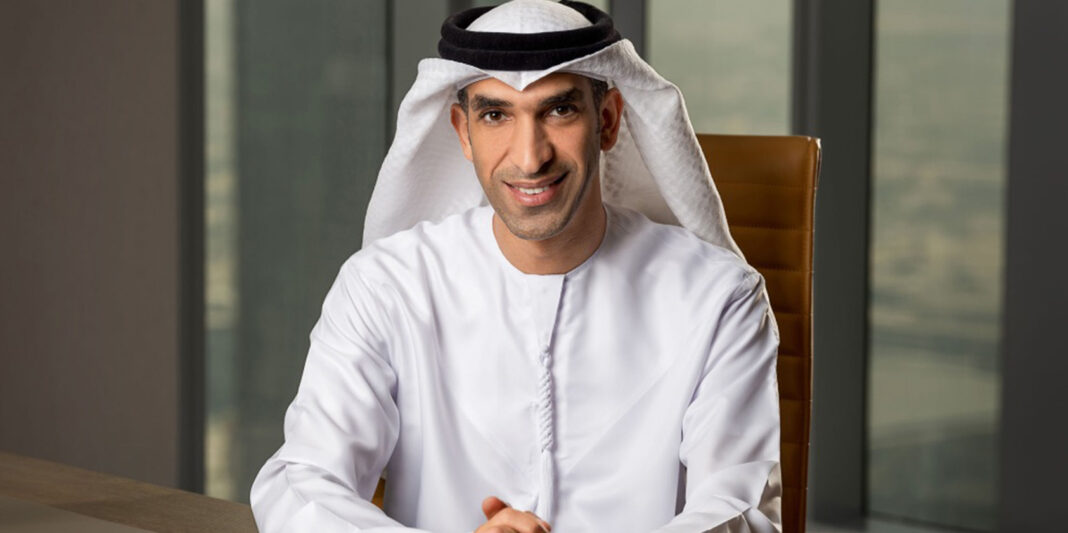
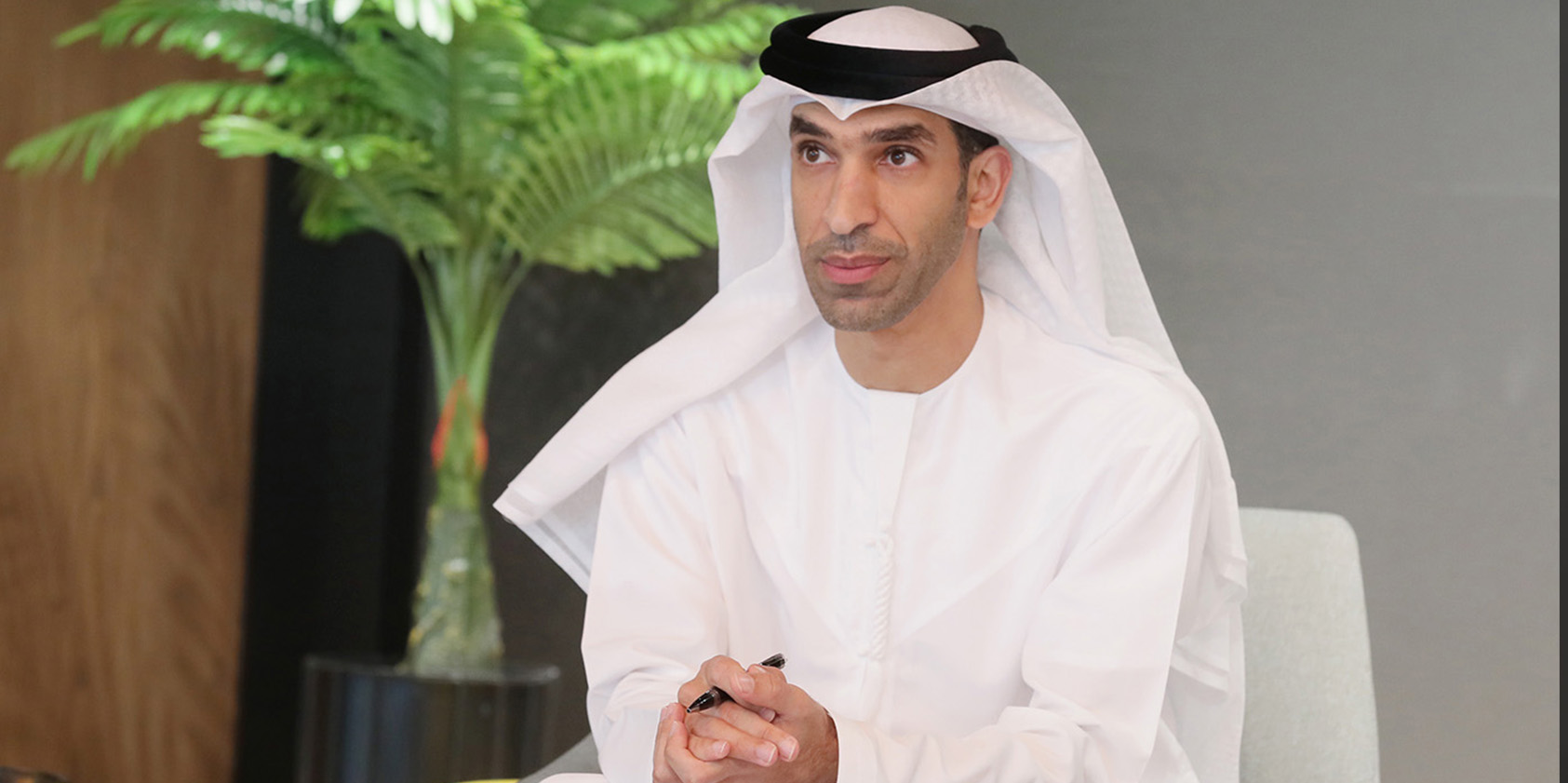
In this written interview with Capital, Dr. Thani bin Ahmed Al Zeyoudi, UAE Minister of Foreign Trade, outlines the steady expansion of UAE-Africa economic relations and the growing importance of Ethiopia within that partnership. He points to logistics, infrastructure, clean energy, agriculture and long-term regulatory certainty as the main pillars behind the continued momentum. The minister also highlights major UAE-backed investments already underway in Ethiopia, arguing that the relationship is now deeper, more diversified and more resilient than ever before. Excerpts:
Capital: UAE–Africa trade has shown strong resilience in recent years despite global market disruptions. What are the main factors behind this continued momentum?
Thani bin Ahmed Al Zeyoudi: The main factor is sustained investment in logistics, infrastructure, and trade facilitation across the continent. DP World now operates six African ports, each with major capacity expansion and modernization projects, while AD Ports Group has expanded its footprint into Guinea, Egypt, and Angola. In parallel, the UAE has been the continent’s largest source of new FDI, investing US$110 billion across Africa between 2019 and 2024, with US$72 billion directed toward renewable energy alone. When trade relationships are supported by this scale of physical infrastructure and capital commitment, they develop a strong degree of resilience.
Capital: How would you assess the current state of UAE–Africa trade and investment relations, and where do you see the biggest opportunities for further growth? And for Ethiopia specifically, what role do you see the UAE playing in supporting trade flows, investment, and broader economic cooperation?
Thani bin Ahmed Al Zeyoudi: The state of UAE-Africa relations is the strongest it has ever been. Ethiopia is a powerful illustration: bilateral non-oil trade surged threefold to US$6.2 billion in 2025. AMEA Power is investing US$620 million in the Aysha-1 wind project in Ethiopia’s Somali region, the largest wind farm in the Horn of Africa, generating 1,400 GWh annually. Eagle Hills is developing La Gare, a US$2 billion mixed-use project in Addis Ababa that will deliver over 4,000 residences. Dubai International Chamber maintains a representative office in Addis Ababa. The opportunities in Ethiopia are substantial: clean energy, agriculture, logistics, real estate, and manufacturing.
Capital: Supply chain stability has become a major concern globally. How has the UAE worked to ensure continuity and reliability across its trade corridors with Africa?
Thani bin Ahmed Al Zeyoudi: The UAE has invested in a distributed logistics model: multiple ports, multiple modes, and multiple corridors, ensuring no single chokepoint can significantly disrupt connectivity. Our position on the Strait of Hormuz has been clear at every level of government – it is a natural passage governed by the UN Convention on the Law of the Sea, and its weaponization cannot stand. We have activated east-coast ports at Fujairah and Khor Fakkan, which sit outside the Strait, while utilizing Etihad Rail’s 900km freight network alongside overland Green Corridors with regional partners. DP World’s six-port African network further supports the resilience of these trade corridors.
Capital: Beyond trade in goods, UAE investments are expanding across sectors such as logistics, energy, agriculture, finance, and infrastructure. Which sectors do you see as most strategic for the next phase of UAE–Africa cooperation?
Thani bin Ahmed Al Zeyoudi: Clean energy is arguably the most transformative sector for the next phase of UAE–Africa cooperation. At COP28, the UAE announced an AED 4.5 billion initiative targeting 15GW of clean energy capacity across Africa by 2030. In Ethiopia, AMEA Power’s US$620 million Aysha-1 wind project is set to become the largest wind farm in the Horn of Africa. Logistics and port infrastructure also remain central to long-term economic integration: DP World has invested more than US$6 billion in African ports since 2010, with a further US$3 billion planned. Digital infrastructure is another emerging frontier: G42 and Microsoft are partnering on a US$1 billion geothermal-powered data centre project in Kenya that will help position East Africa as a growing technology hub.
Capital: Many African economies are looking for long-term, predictable partners. How is the UAE positioning itself as a reliable and forward-looking economic partner on the continent?
Thani bin Ahmed Al Zeyoudi: The UAE is positioning itself as a reliable and forward-looking partner through long-term investments and partnerships designed to create lasting economic value. Our investments in Ethiopia reflect that approach: AMEA Power’s wind farm will deliver sustainable energy for decades, while Eagle Hills’ La Gare project is helping reshape Addis Ababa’s urban landscape through long-term infrastructure and real estate development. DP World’s port concessions across Africa are similarly structured around multi-decade commitments. The UAE’s non-oil trade exceeded US$1 trillion in 2025, up 27% year on year, reflecting an economic model built for sustained growth. Dubai International Chamber also maintains offices across Africa, including in Addis Ababa, providing on-the-ground support that makes partnerships tangible and operational.
Capital: What policy or regulatory reforms would help deepen UAE–Africa investment ties and make the business environment even more attractive for both sides?
Thani bin Ahmed Al Zeyoudi: Expanding our network of Comprehensive Economic Partnership Agreements is one priority. We have already concluded 10 agreements with nations across Africa and, once fully implemented, they will help enhance mutual trade flows, reduce barriers to trade, harmonize customs procedures and create platforms for investment and SME collaboration. More broadly, stronger and more predictable regulatory frameworks will be essential to deepening investment ties — not only for attracting FDI, but also for mobilizing domestic capital within African markets. Institutional trust is critical if private-sector investors are to deploy capital at scale.
Capital: Looking ahead, what is your vision for the future of UAE–Africa trade relations over the next five to ten years, and what milestones would you like to see achieved?
Thani bin Ahmed Al Zeyoudi: Africa is a continent of extraordinary importance to the global economy, with two-thirds of the world’s arable land, a growing middle class, and resources that can support the global energy transition. Over the next decade, we want to see UAE investment continue to flow into the energy, infrastructure, agriculture, and digital sectors that create jobs and build industrial capacity. Ethiopia’s trajectory clearly illustrates this potential: bilateral trade has grown from US$784 million in 2019 to US$6.2 billion in 2025. Looking ahead, we hope to see landmark projects such as AMEA Power’s Aysha wind farm and Eagle Hills’ La Gare fully realized, while continuing to expand investment into sectors that support Ethiopia’s long-term economic growth and industrial development.