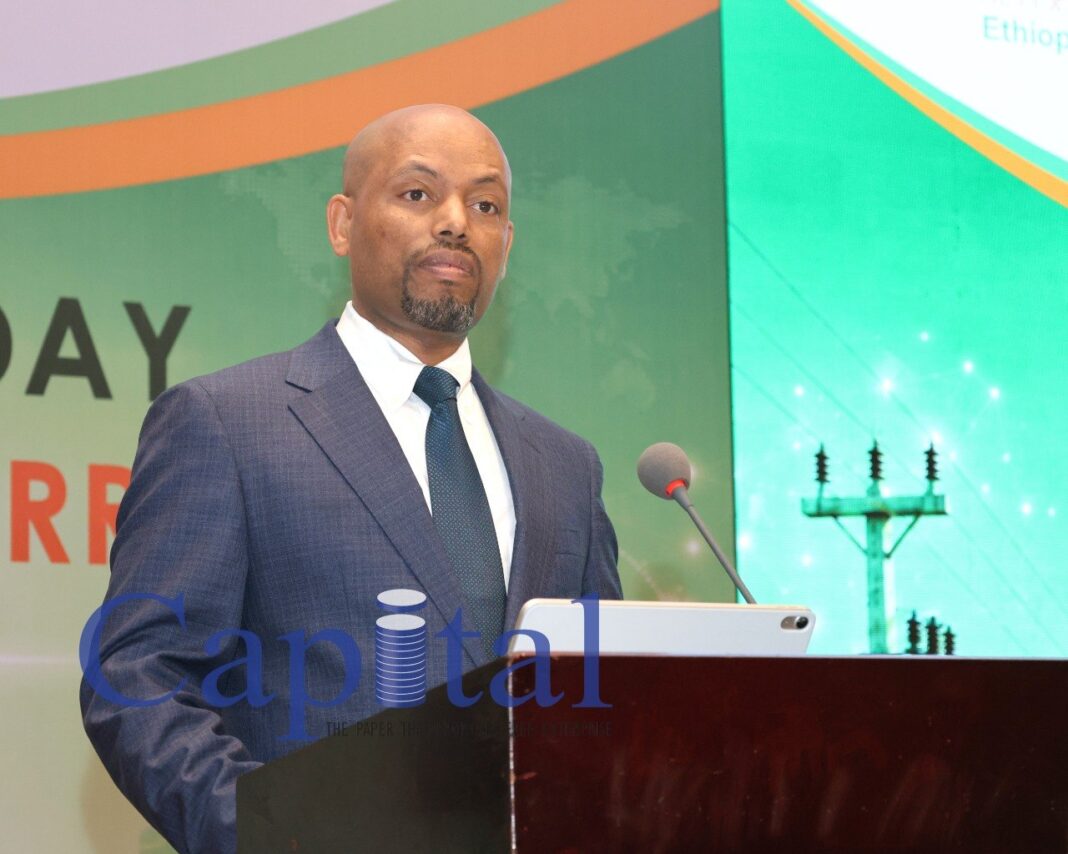
U.S. Africa Command (AFRICOM) Commander General Dagvin Anderson has issued a stark warning regarding an increasingly complex and interconnected matrix of security threats confronting African nations, highlighted by a staggering sixfold increase in narcotics trafficking relative to previous years.
Addressing military and diplomatic leaders at the African Logistics Communications Symposium (ALCS) in Addis Ababa, General Anderson emphasized that addressing these multi-faceted threats requires deep international cooperation, robust communication methods, and reliable supply chains capable of swiftly moving equipment and personnel to where they are needed.
The AFRICOM chief stated that foundational investments in logistics and sustainment are critical for modern military readiness, pointing out that advanced weaponry and modern technology are utterly worthless if armed forces cannot properly maintain and supply them on the battlefield. He noted that the era of digital warfare—characterized by drones, satellites, and digital communications—requires military leaders to adapt quickly, embrace technological experimentation, and work closely with commercial entities.
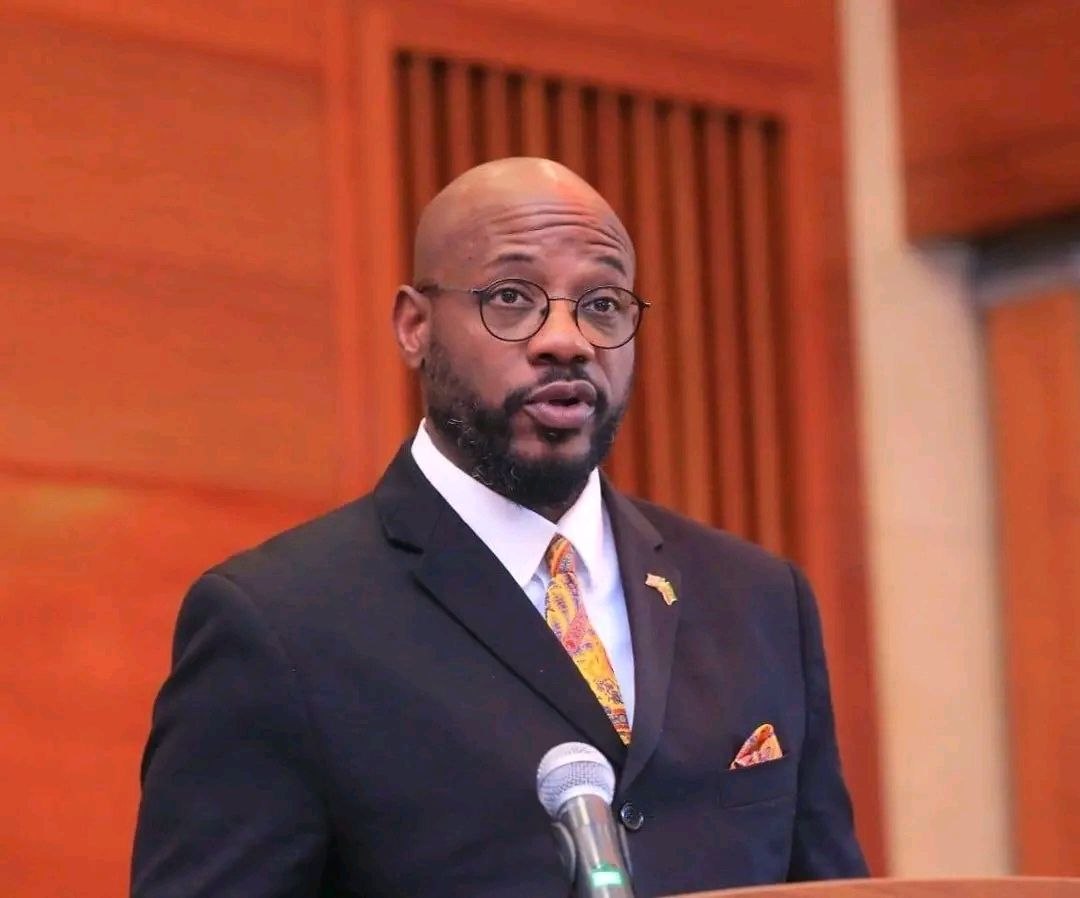
He expressed that by strengthening their logistics infrastructure and deploying interoperable communication systems, African nations can build the self-reliance necessary to defend their people, secure their borders, and ensure long-term regional stability.
Echoing these operational priorities, U.S. Ambassador to Ethiopia Ervin J. Massinga emphasized that genuine strategic partnerships are validated by practical capabilities during moments of crisis rather than diplomatic rhetoric.
According to Massinga the partnership is built on a secure foundation, transparency, and careful work aligned with shared priorities, noting that when logistics fail, operations stall, when communication breaks down, coordination collapses, and when these gaps occur, adversaries exploit them. Reaffirming Washington’s commitment to bilateral collaboration, Ambassador Massinga stressed the U.S. dedication to working as an equal partner alongside nations across the African continent.
In a concerted effort to bridge the traditional divide between defense readiness and economic development, the symposium convened representatives from the U.S. Department of Commerce alongside 26 U.S. private sector firms. These commercial industry partners demonstrated advanced innovations in logistics engineering, supply chain management, and secure communications designed to fortify African-led security solutions.