The Ethiopian Electric Utility (EEU) is embarking on a 25-year modernization initiative to transform its electricity distribution system into a digitally managed smart grid. This ambitious roadmap aims to enhance reliability, reduce outages, and prepare the network for rapidly increasing power demand in Addis Ababa.
Through its Smart Grid Transformation Program, slated for 2026–2035, EEU plans to evolve from a traditional utility into a modern, data-driven, and customer-focused power company. The utility’s goal is to achieve at least Level Three of the Smart Grid Maturity Model (SGMM) within ten years, a significant leap from its current Level One status.
This smart grid initiative is projected to require an investment of up to USD 640 million. It will introduce advanced digital technologies, real-time network monitoring, automated fault detection, improved customer services, and stronger grid management capabilities.
“The transformation is about creating a smarter, more resilient, and digitally integrated distribution network that can respond to increasing electricity demand and operational challenges,” stated EEU officials.
The Smart Grid Maturity Model is an international framework utilities use to measure progress in modernizing electricity networks. Level One signifies the early stages of smart grid development, characterized by exploration and pilot projects. In contrast, Level Three indicates that smart grid solutions are integrated across operations to enhance efficiency and performance.
As part of this transformation, EEU plans to deploy Advanced Metering Infrastructure (AMI), digital customer platforms, improved billing systems, and data-based decision-making tools. The utility will also introduce demand-side management programs, including time-of-use tariffs, demand response systems, electric vehicle integration, distributed energy resources, and microgrid development.
Key components of the smart grid roadmap also include cybersecurity enhancements, stronger telecommunications systems, and workforce development, as EEU prepares for a more complex energy sector.
The smart grid transformation is closely linked with EEU’s broader 25-year Electricity Distribution Master Plan, which aims for substantial improvements in electricity reliability, particularly in Addis Ababa.
Under the first phase of the master plan, EEU targets a 99.9 percent reliable electricity supply in the capital within four years. This short-term program requires an estimated USD 1.33 billion investment and will focus on upgrading overloaded feeders, expanding network capacity, improving redundancy, and strengthening distribution infrastructure.
“The primary objective of the short-term implementation is to establish a reliable electricity supply in Addis Ababa,” Chala Aman, project manager of the master plan, told Capital. “The city faces significant supply constraints, including frequent interruptions, unmet demand, and customers who remain without electricity access despite being located within the capital.”
He stated that a significant portion of Addis Ababa’s distribution network operates beyond its original design capacity, leading to frequent interruptions and hindering the utility’s ability to connect new customers.
“To achieve reliability, we must reduce the frequency of power interruptions. We will upgrade feeders to standard operating capacity,” Chala explained.
The broader 25-year distribution roadmap estimates that Ethiopia will need USD 30.6 billion to expand and modernize its electricity network by 2049. Electricity demand is projected to increase almost ninefold, from approximately 4,300 MW currently to about 39,327 MW.
The first phase of this plan involves constructing 16,500 kilometers of new medium-voltage distribution lines, rehabilitating 9,700 kilometers of existing lines, undertaking over 21,800 distribution transformer interventions, and installing an additional 6,945 MVA transformer capacity.
Addis Ababa is slated to receive the largest share of the initial investment, with USD 575 million allocated for upgrading the capital’s distribution network, while Oromia will receive approximately USD 478 million.
The master plan was developed after a detailed assessment of the existing network, which scrutinized around 1,100 medium-voltage feeders, 183 primary substations, and nearly 79,000 kilometers of mapped distribution lines.
The assessment revealed 271 feeders with unacceptable voltage levels and 182 feeders experiencing thermal overloading. Additional challenges identified included aging infrastructure, overloaded transformers, limited switching capacity, insufficient load transfer capability, and high technical losses.
The EEU anticipates that the modernization program will increase medium-voltage feeders from approximately 1,100 to over 1,400, improve the average minimum network voltage from 0.838 per unit to 0.925 per unit, and reduce active power losses by about 38 percent.
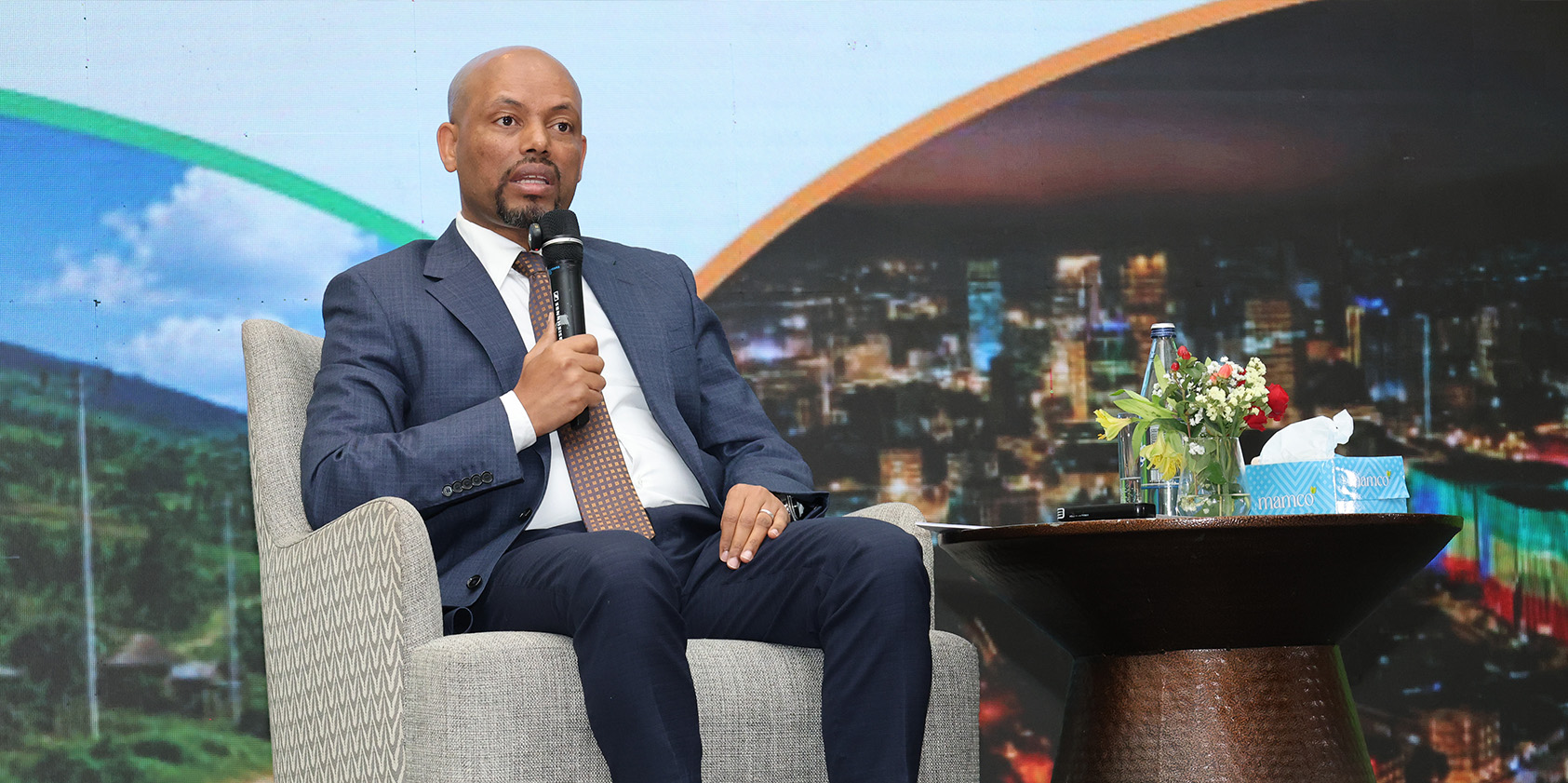
EEU Chief Executive Officer Getu Geremu commented that the master plan signifies a major stride toward modernizing Ethiopia’s electricity distribution system through digitalization, enhanced efficiency, and improved customer service.
The utility expects this roadmap to bolster Ethiopia’s industrial growth, urban expansion, and the National Electrification Program (NEP 3.0), which aims to achieve universal, reliable, and sustainable electricity access by 2035.