The images have become painfully familiar: overcrowded boats drifting across the Mediterranean, exhausted migrants stranded at fortified borders, and grieving families waiting for news that too often never comes. After each tragedy, the response is predictable—calls for tighter border controls, tougher immigration laws and stronger enforcement.
But behind every headline lies a more uncomfortable truth: no wall, however high or technologically advanced, can eliminate the desperation that drives people from their homes.
The deaths of migrants attempting to reach Europe through Spain’s North African border are not isolated accidents. They are symptoms of a global system in which life chances continue to be shaped less by talent or determination than by the accident of birthplace. Where a person is born still determines access to quality education, decent employment, personal security and economic opportunity.
Few countries understand this reality better than Ethiopia.
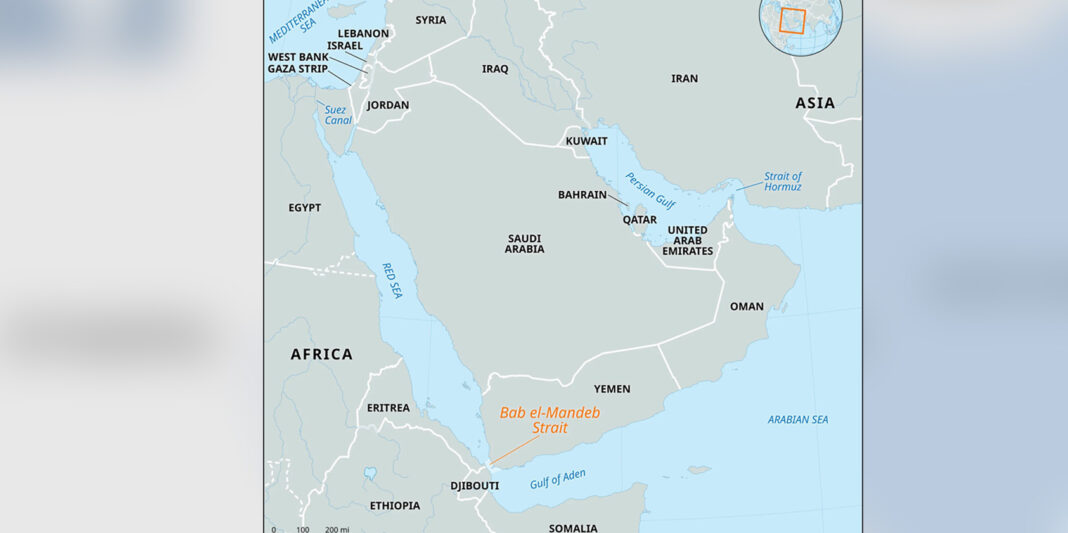
For decades, thousands of Ethiopians have undertaken dangerous journeys along the Eastern Route through Djibouti and across the Red Sea to the Gulf. Others travel through Sudan, Libya and the Mediterranean in search of opportunities in Europe. Many never reach their destination. Some perish in deserts or at sea. Others fall into the hands of traffickers or endure exploitation that rarely receives sustained international attention.
These journeys are rarely driven by adventure. They are driven by economic hardship, insecurity and the desire for a more dignified future.
Ethiopia has undertaken important economic reforms and made progress toward modernization. Yet high youth unemployment, inflation, limited formal-sector job creation and the continuing effects of conflict, displacement and climate-related shocks continue to shape the choices of young people.
For many, the prospect of building a stable life at home appears increasingly uncertain. Insecurity—whether caused by conflict, local violence or anxiety about the future—reinforces the belief that remaining may be more dangerous than leaving. Migration therefore becomes more than an economic decision. It becomes a survival strategy.
The wider Horn of Africa context adds to these pressures. Djibouti, a major transit point for migrants and a critical trade hub, illustrates the difficult choices facing developing economies. Large infrastructure projects have stimulated growth, but they have also contributed to debt burdens and placed pressure on governments’ ability to expand social services and create sufficient employment.
Across the region, fiscal constraints limit the capacity of governments to meet the expectations of rapidly growing youth populations. Young people are told that the future belongs to them, yet many cannot find work, access affordable training or participate meaningfully in the formal economy.
Digital connectivity has also transformed expectations. Young Ethiopians can instantly see the educational opportunities, employment prospects and living standards available elsewhere. They are constantly exposed to images of a life that appears more secure and prosperous.
This creates a painful contradiction. The world encourages people to use legal channels to migrate, yet those channels are often narrow, expensive and difficult to access. Visa systems are restrictive, application procedures are lengthy, and lawful routes for study and employment remain limited.
When legal mobility becomes increasingly inaccessible, irregular migration becomes more attractive—not because it is safe, but because it appears to be the only option left.
Border management is legitimate and necessary. Every sovereign state has the right to secure its borders, regulate entry and combat human trafficking. But enforcement alone cannot solve what is fundamentally a crisis of inequality, insecurity and uneven development.
Stronger fences may redirect migration routes, but they rarely eliminate the forces driving migration. Instead, they often increase the power and profits of smugglers while making journeys more dangerous. When official routes close, migrants do not necessarily stop moving. They are pushed into more remote deserts, more dangerous seas and more exploitative arrangements.
A policy based almost entirely on deterrence risks treating migrants as the problem rather than recognizing the conditions that compel them to leave.
The question should not simply be: How do we stop people from crossing borders? It should also be: What has made leaving appear preferable to staying?
For Ethiopia, the long-term response must begin at home. The country needs sustained job creation, particularly in sectors capable of absorbing its growing youth population. Manufacturing, agriculture, digital services, tourism, logistics and renewable energy can all create employment if supported by stable policies, infrastructure and access to finance.
Entrepreneurship should also be treated as an economic strategy rather than a slogan. Young people need more than motivational speeches. They need affordable credit, reliable electricity, practical business training, predictable regulation and access to markets.
Vocational education must be linked directly to employment opportunities. Training young people for jobs that do not exist only deepens frustration. Technical colleges, employers and government institutions should work together to identify skills shortages and build programs that lead to real careers.
None of these measures will succeed without peace and accountable governance. Conflict destroys livelihoods, displaces families and diverts public resources away from development. It also creates the fear and uncertainty that make migration appear to be the safest available choice.
A young person who cannot predict whether a business will remain open, whether a job will survive or whether their community will remain secure will naturally look beyond the country’s borders.
Ethiopia cannot confront this challenge alone. Wealthier countries that benefit from global trade, international labour and the movement of capital also have a responsibility to address the inequalities that fuel irregular migration.
Expanding legal labour mobility would be more effective than simply telling people to stay home. Seasonal work programs, transparent recruitment systems, student pathways and skills-based migration agreements could provide safer alternatives to smugglers.
Fairer trade and productive investment are equally important. Development assistance should focus not only on emergency relief but also on supporting industries, local businesses, infrastructure and institutions that create sustainable livelihoods.
The international community must also examine the way migration policies are designed. It is contradictory to demand that people migrate legally while steadily narrowing the legal routes available to them.
Migration debates often focus on fences, visas, patrols and deportations. These measures address visible symptoms, but not the causes.
As long as opportunity, security and hope remain so unevenly distributed across the world, people will continue to risk their lives in pursuit of a better future. No government can enforce away the desire for dignity.
The real challenge is not how high borders can be built, but how effectively governments can expand opportunity and security on both sides of them.
People leave when home no longer offers a credible future. The most effective migration policy, therefore, is not simply to make departure more difficult. It is to make staying more possible, more secure and more worthwhile.