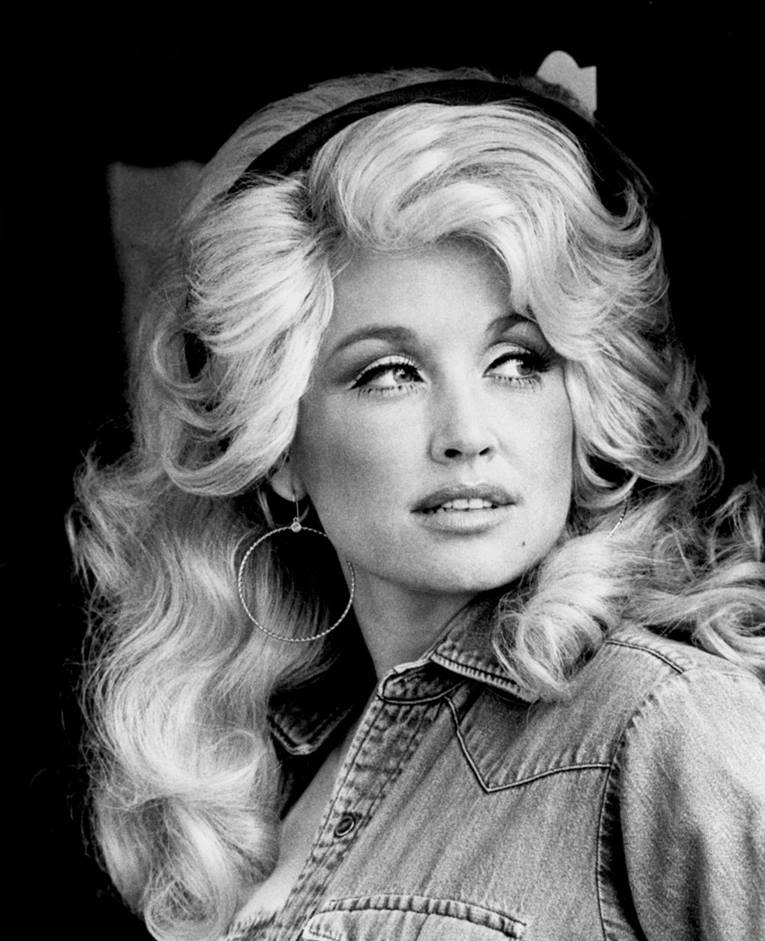
Dolly Parton, the American country music singer, songwriter, actor, businesswoman and philanthropist whose career spanned more than six decades, has died at the age of 80.
Her family said Parton died peacefully at the Vanderbilt-Ingram Cancer Center in Nashville after what her representatives described as a brief battle with cancer. She was surrounded by loved ones, and a small private funeral service will be held for immediate family members.
Parton’s death prompted tributes from across music, film, politics and philanthropy. Fans gathered at her Hollywood Walk of Fame star, while Dollywood—her Tennessee theme park and entertainment destination—closed temporarily in tribute to its “Dreamer-in-Chief.”
From Rural Tennessee to Global Fame
Born Dolly Rebecca Parton on January 19, 1946, in Sevier County, Tennessee, Parton grew up in a large family in the Great Smoky Mountains. Her modest upbringing would become a defining part of both her songwriting and public identity.
She began performing as a child and moved to Nashville after graduating from high school, determined to make a career in country music. Her breakthrough came during the late 1960s, when she became a regular performer on The Porter Wagoner Show. The partnership helped make Parton a national star, while also establishing her as a formidable songwriter and performer in her own right.
Over the following decades, Parton recorded some of country music’s most enduring songs, including “Jolene,” “Coat of Many Colors,” “I Will Always Love You,” “9 to 5,” “Here You Come Again” and “Islands in the Stream.” Her songs blended personal storytelling, humour, heartbreak, rural experience and optimism, allowing her to reach audiences far beyond country music.
“I Will Always Love You,” written and originally recorded by Parton in 1974, later became one of the most successful songs in popular music history when Whitney Houston’s version was released in 1992. Parton remained closely associated with the song’s remarkable global legacy.
Her career also extended to film and television. She earned acclaim for roles in 9 to 5, The Best Little Whorehouse in Texas, Steel Magnolias and other productions, while becoming one of the few artists to sustain major careers in music, acting, publishing, tourism and business.
A Legacy Beyond Music
Parton was as widely admired for her philanthropy as for her music. Through the Dollywood Foundation’s Imagination Library, she donated hundreds of millions of free books to children, building one of the world’s best-known literacy initiatives.
Her charitable work also extended to health, education and disaster relief. Parton helped support medical research that contributed to the development of a COVID-19 vaccine, while her longstanding giving focused on communities in Tennessee and beyond.
Her business ventures, particularly Dollywood in Pigeon Forge, Tennessee, turned her personal brand into a major tourism and employment engine for the region. The park, hotels, resorts and related entertainment ventures helped transform her home area into a major destination while keeping her closely connected to her Appalachian roots.
Parton had been open in recent months about health difficulties that followed the death of her husband, Carl Thomas Dean, in March 2025. The couple had been married for nearly 60 years.
An Enduring Cultural Force
With her distinctive voice, rhinestone style, sharp humour and generosity, Parton became one of the most recognisable and beloved figures in American culture. She won major music awards, entered the Rock & Roll Hall of Fame, and crossed genre, political and generational boundaries with unusual ease.
Her family described her life as one marked by joy, hope, integrity and an “unmatched generosity” that reached people she would never meet.