NEW YORK, 28th September, 2026 — In response to the escalating Ebola outbreak centered in the Democratic Republic of the Congo (DRC), which has heavily impacted Central and East African health corridors, the United Arab Emirates (UAE), through the UAE Aid Agency, has announced a US$10 million allocation to bolster international containment efforts.
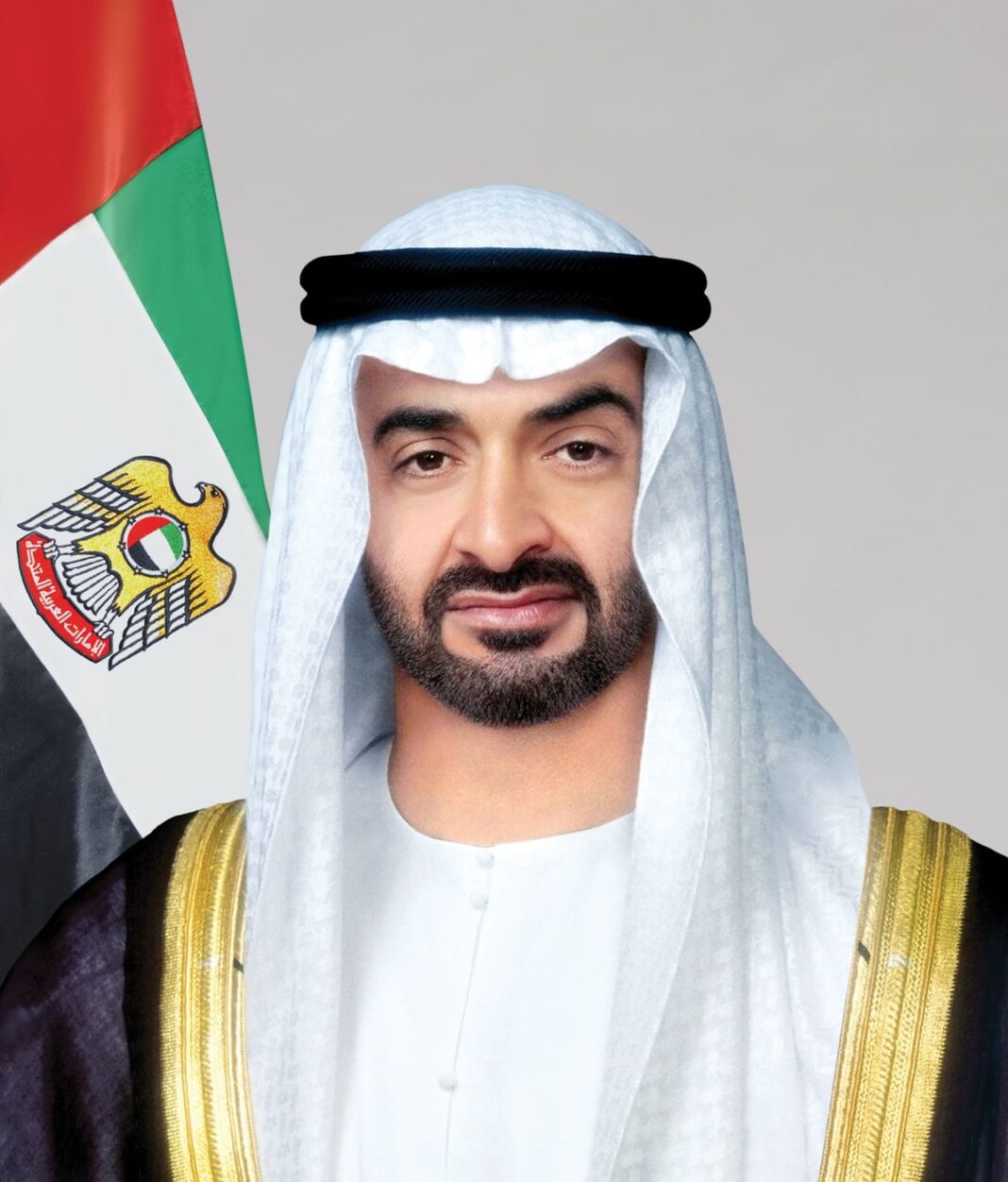
The announcement, directed by President His Highness Sheikh Mohamed bin Zayed Al Nahyan, was made during an international meeting convened by the United States on the sidelines of the United Nations General Assembly.
With the outbreak continuing to strain healthcare infrastructure across several provinces in the DRC and raising surveillance stakes across neighboring East African transit hubs, the funds aim to reinforce cross-border disease prevention, early detection systems, and clinical case management.
Dr. Tareq Ahmed Al Ameri, Chairman of the UAE Aid Agency, emphasized that the global health threat requires unified regional and international solidarity. “This commitment stems from the UAE’s humanitarian mission and its global responsibility to protect communities from the risks of disease and epidemics, in coordination with governments, international organisations, and relevant regional institutions,” Dr. Al Ameri stated.
As part of its broader emergency response, the UAE has already dispatched over 150 tonnes of medical cargo to affected regions, including critical personal protective equipment (PPE), infection-control materials benefiting nearly 280 health facilities, and essential humanitarian provisions.
Public health analysts note that robust international funding is critical for East African nations maintaining heightened surveillance protocols. Regional health authorities continue to emphasize active monitoring at transport and trade nexuses to prevent cross-border transmission, given the rapid geographic footprint of the current epidemic.
The UAE has called on the international community to accelerate its financial and logistical deployment, stressing that supporting frontline health systems is the only way to safeguard vulnerable populations and stabilize regional public health security.
=Ends=