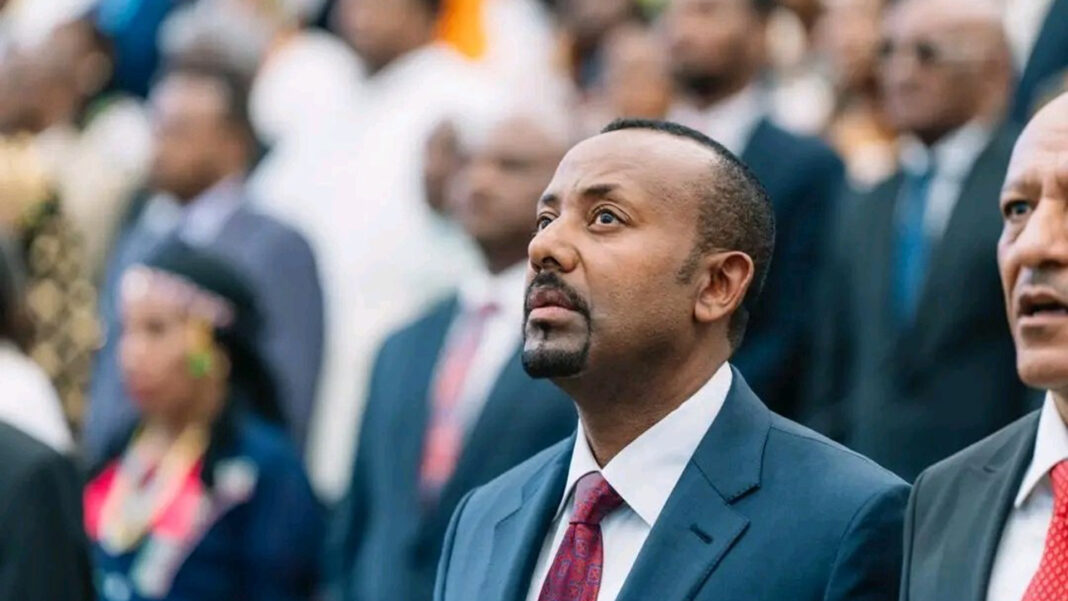
Prime Minister Abiy Ahmed has officially confirmed that Ethiopia will undertake radical constitutional amendments based on the outcomes and recommendations of the recently concluded national dialogue.
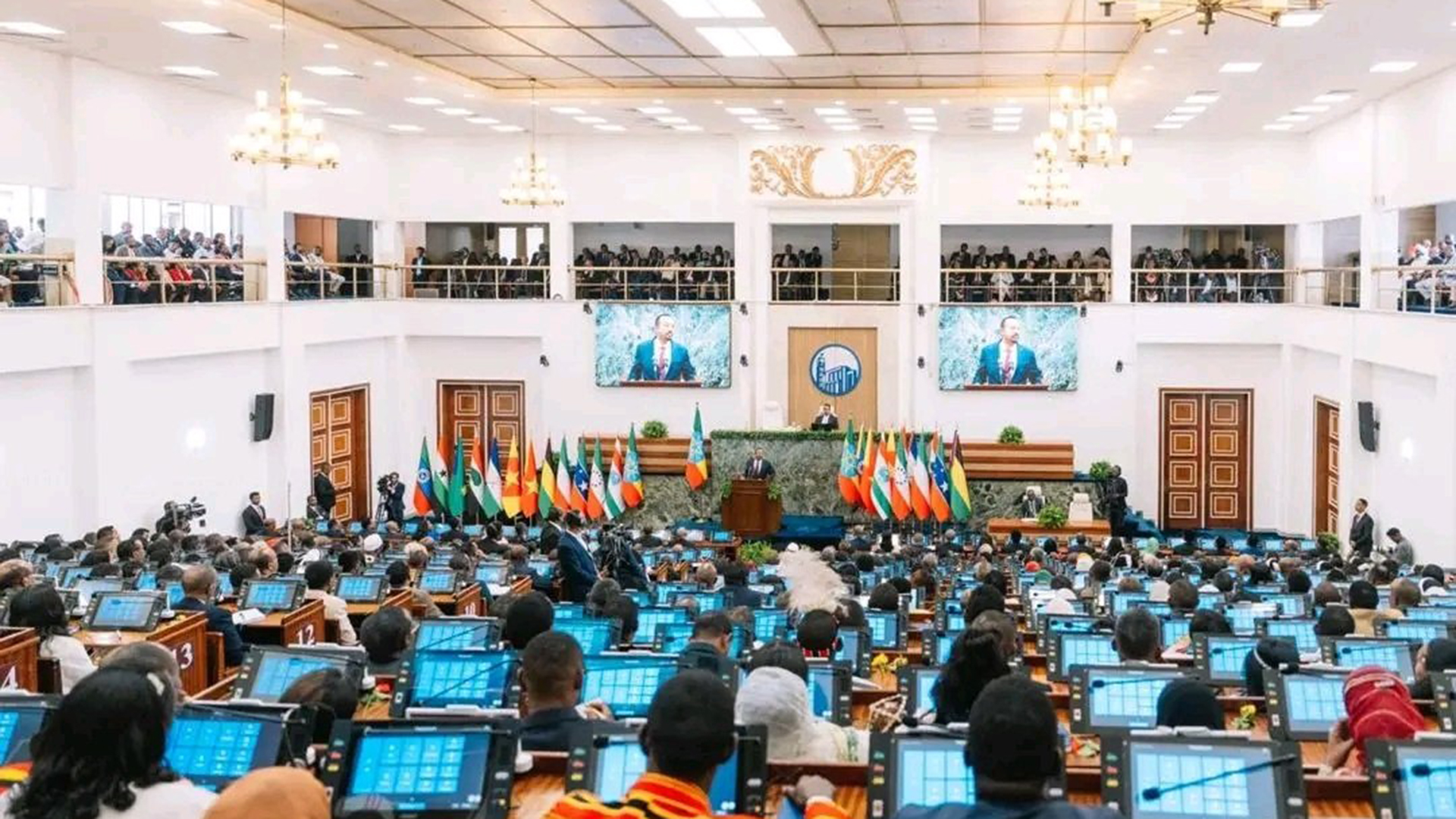
Addressing members of the House of Peoples’ Representatives following his re-election, the Prime Minister emphasized that inclusive governance and cooperative political participation will serve as the cornerstone of his administration’s new legislative and executive term.
Highlighting the delicate balance of the nation’s political landscape, Prime Minister Abiy stated that Ethiopia’s political sphere must grow on a foundation of constructive cooperation and competition. Extending an open invitation to opposition and competing political parties—particularly those active in the electoral process—the administration reaffirmed its readiness to collaborate closely for the greater national interest.
The journey toward these structural reforms stems from extensive multi-year groundwork. Established in late 2021, the Ethiopian Dialogue Commission (ENDC) spent more than four years conducting wide-ranging agenda-gathering sessions and stakeholder consultations across regional states and city administrations. This extensive consultative phase culminated in an official national dialogue summit held in Addis Ababa, which brought together nearly 4,000 delegates over a rigorous 38-day period.
The summit centered on core pillars, including nation-building fundamentals, state structure and federalism, human rights and civil liberties, the rule of law and judicial independence, economic development and equity, good governance and institutional transparency, peace, security, social reconciliation, and working languages and cultural identity.
Following the conclusion of the summit, roughly 400 comprehensive recommendations spanning political, constitutional, economic, and social spheres were compiled. On October 3, 2026, these policy frameworks and recommendations were formally handed over to the House of Peoples’ Representatives, the federal government, and regional state administrations. Prime Minister Abiy hailed the milestone, noting, “This document handover marks a significant milestone in the national dialogue process and reaffirms our commitment to resolving Ethiopia’s long-term national challenges through inclusive dialogue, peaceful consultation, and our own home-grown problem-solving values.”
The recommendations directly address core tenets of the 1995 FDRE Constitution, which established Ethiopia’s ethnic federalist model. Among the most profound proposed adjustments is a potential transition from the current parliamentary republic system to a presidential system, featuring a single, non-renewable six-year executive term. Another monumental and heavily debated proposal involves amending Article 39, which constitutionally grants “nations, nationalities, and peoples” the absolute right to self-determination, including unconditional secession. Critics of the current setup have long argued that ethnic federalism has exacerbated identity-based conflicts, border disputes, and power struggles. Conversely, proponents of the reform argue that diluting the political weight of ethnic lines in favor of civic-based nationalism and stronger national cohesion will help suppress regional friction while maintaining local self-administration.
During the handover ceremony, Chief Commissioner Professor Mesfin Araya emphasized that the dialogue demonstrated Ethiopians’ capacity to engage in civil discourse, narrow their differences, and reach consensus on shared national issues. Professor Mesfin stated that the ideas and outcomes presented hold immense value for the country’s political practice and sustainable nation-building, and pledged they would be actively implemented on the ground.