Ethiopia faces renewed inflationary pressures as rising global fuel and fertilizer prices threaten to increase living costs and complicate the country’s economic reform efforts, according to the International Monetary Fund (IMF).
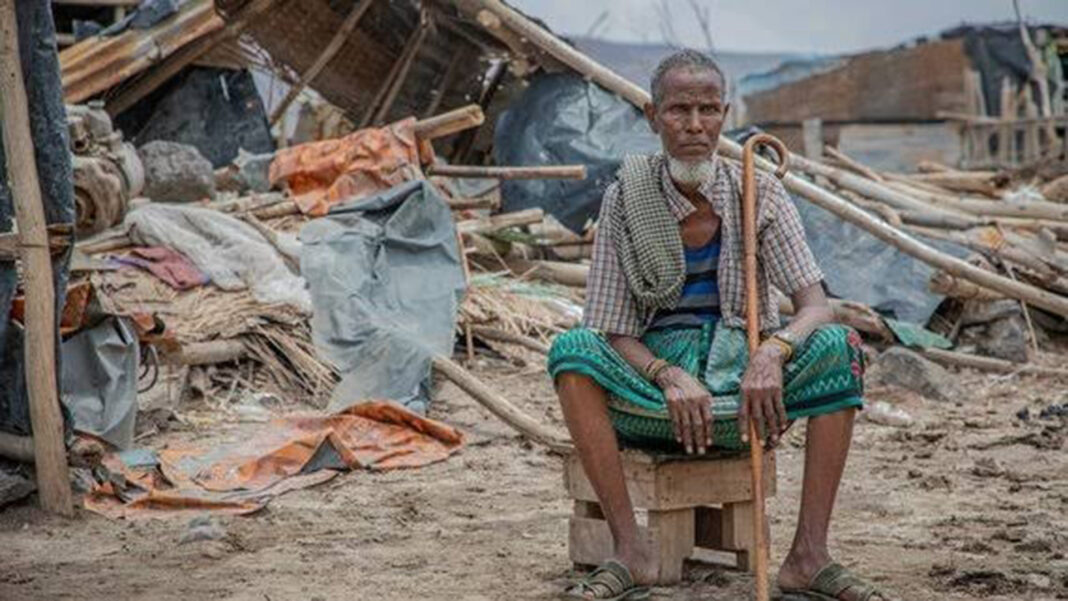
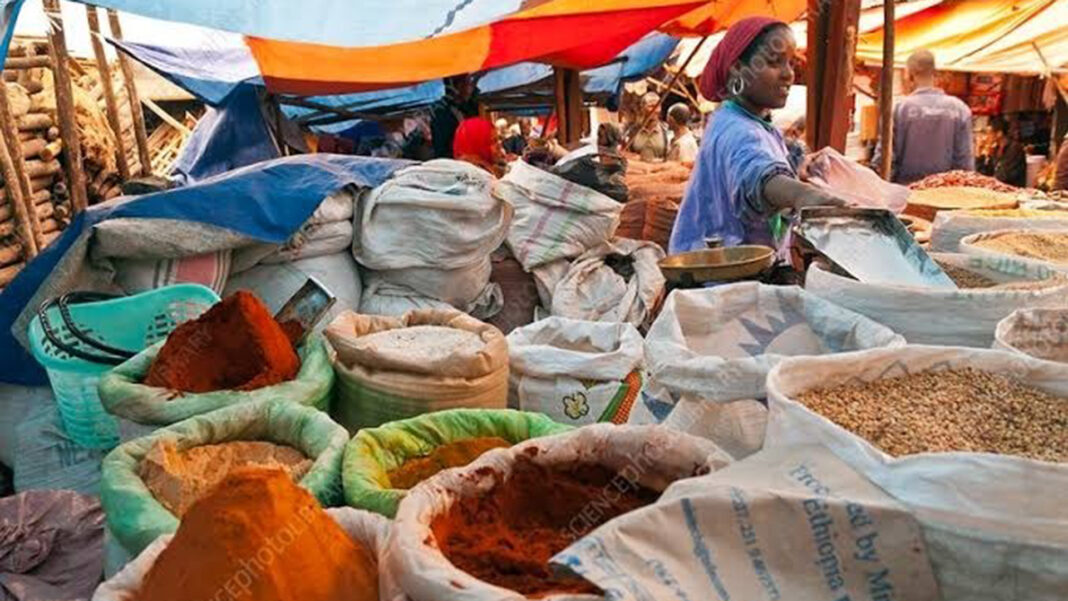
The IMF warns that disruptions in international energy markets could increase Ethiopia’s import bills, raise transportation costs and put further pressure on household purchasing power.
According to the IMF’s October 2026 Regional Economic Outlook Update for Sub-Saharan Africa, global oil prices are projected to average $96 per barrel in 2026 before declining to $87 in 2027. However, continued disruptions to refined petroleum supplies, particularly diesel, could sustain price pressures despite an expected gradual recovery in energy markets.
As Ethiopia relies on imported petroleum products, higher international oil prices could increase foreign exchange demand and raise operating costs across the transportation, agriculture, manufacturing and trade sectors.
Fertilizer prices are also expected to rise significantly. The IMF projects that global fertilizer prices will increase by 26 percent in 2026 compared with 2025, potentially raising farmers’ production costs and contributing to higher food prices in subsequent seasons.
The report cautions that inflationary pressures could persist even if global oil prices begin to decline, as higher energy and agricultural input costs continue to affect domestic markets.
The IMF also highlighted the financial challenges of shielding Ethiopian consumers from international fuel price increases through temporary, differentiated subsidies.
Between February 23 and September 14, 2026, domestic gasoline prices reflected approximately 38 percent of the corresponding increase in international benchmark prices, while diesel prices reflected around 44 percent, excluding the higher commercial diesel tariff, according to preliminary IMF estimates.
These figures measure the extent to which international price increases were passed on to domestic consumers rather than indicating the overall subsidy rate.
The IMF warns that broad-based fuel subsidies can strain government budgets and disproportionately benefit wealthier households. It recommends providing targeted support to vulnerable households and farmers rather than relying heavily on generalized subsidies.
Ethiopia also faces risks from tighter international financing conditions and declining development assistance. The IMF projects that bilateral aid to sub-Saharan Africa will fall by a further 12 percent in 2026, following an estimated decline of about one-quarter in 2025. These figures apply to the region as a whole and do not represent Ethiopia-specific projections.
Meanwhile, climate-related shocks could undermine agricultural production and intensify food price pressures. Rainfall deficits in some areas, combined with excessive rainfall and flooding in others, could disrupt livelihoods, damage infrastructure and affect food supplies.
The IMF calls for stronger climate preparedness, improved emergency financing, more efficient public spending and increased domestic revenue collection.
The report highlights Ethiopia’s challenge of sustaining economic reforms while containing inflation and protecting vulnerable households. Rising international commodity prices and external financing pressures could complicate efforts to achieve macroeconomic stability and preserve resources for long-term development.