No African country met the overall agricultural development benchmark under the Malabo Declaration, highlighting persistent gaps in public investment, agricultural research, and the implementation of continental commitments, according to the fifth Comprehensive Africa Agriculture Development Programme (CAADP) Biennial Review.
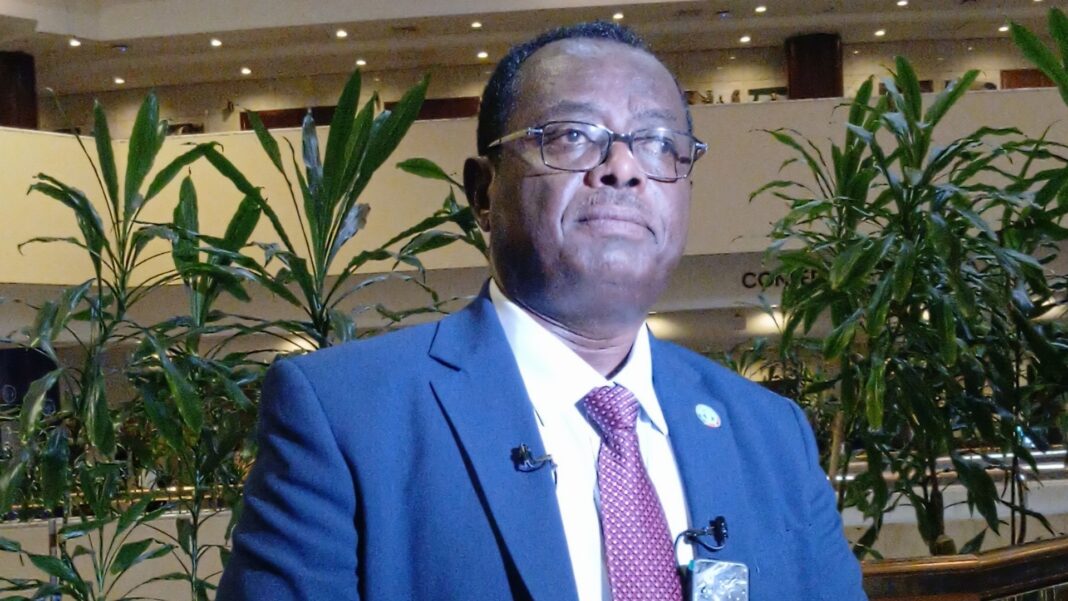
Speaking at the Africa Science and Innovation Forum in Addis Ababa, Abebe Haile-Gabriel, Assistant Director-General and Regional Representative for Africa (RAF) at the Food and Agriculture Organization of the United Nations (FAO), said the review showed improvements in continental performance but underscored the urgent need to translate political commitments into measurable results.
Of the 45 countries that submitted reports, none achieved the overall Malabo benchmark. Only four countries met the target of allocating at least 10% of public expenditure to agriculture, while only five achieved agricultural research spending equivalent to at least 1% of agricultural gross domestic product (GDP).
The findings raise serious questions about Africa’s ability to accelerate agricultural productivity, improve food security, and strengthen resilience against climate shocks, conflict, and economic pressures.
Abebe called on governments to provide predictable financing, strengthen institutions, and ensure that agricultural development plans are backed by clear responsibilities, implementation timelines, and accountability mechanisms.
“Can we repeatedly announce transformation while failing to connect plans to budgets, budgets to disbursements, and disbursements to results?” he asked, stressing that political commitments must be reflected in actual spending and visible improvements for producers.
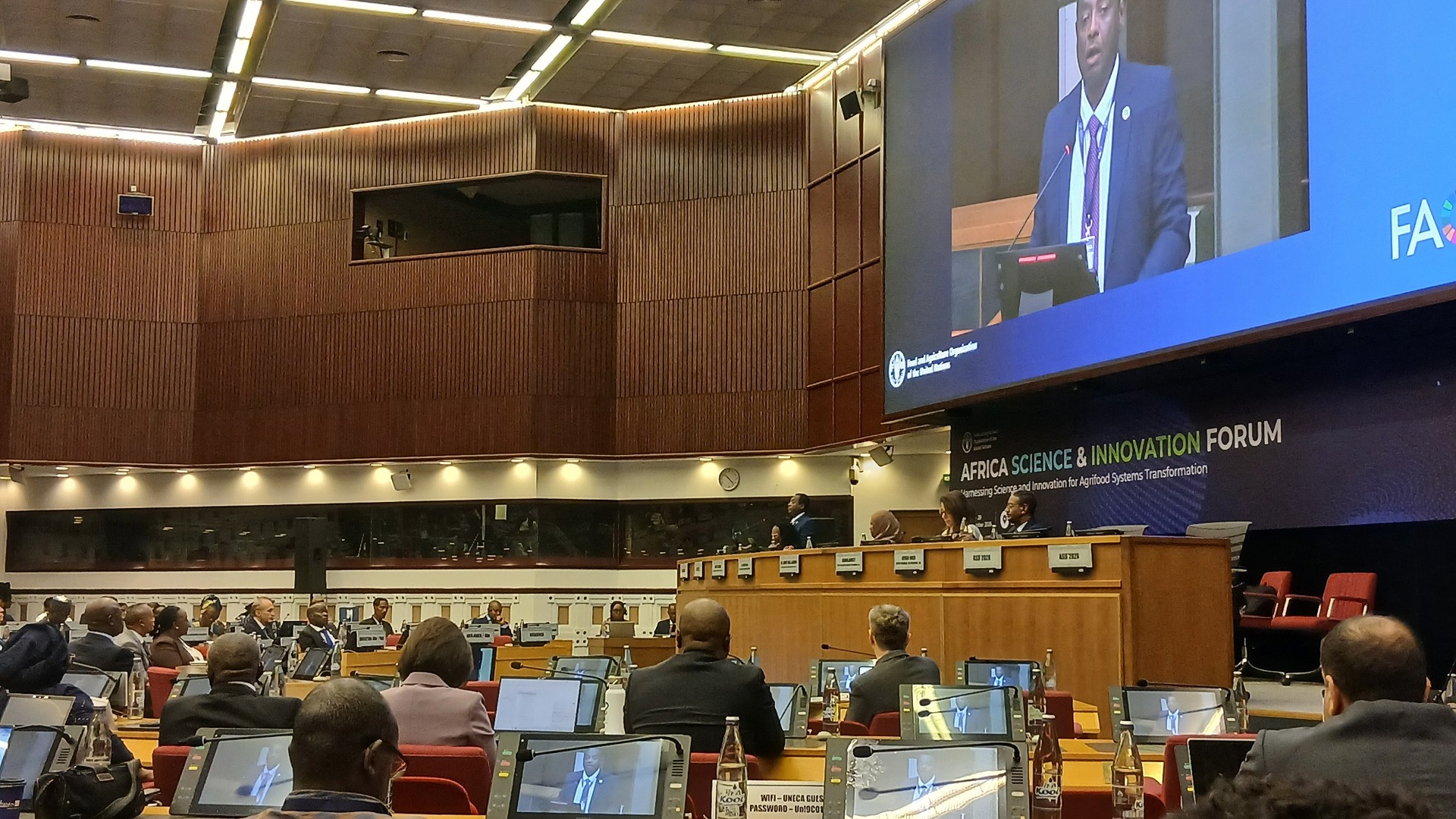
The FAO representative also warned that Africa risks falling behind in agricultural competitiveness as artificial intelligence, robotics, satellite monitoring, and data-driven systems increasingly reshape global food production and natural resource management.
Internet connectivity remains a major constraint.
Citing International Telecommunication Union figures, Abebe noted that internet usage in Africa stood at 36% in 2025, compared with approximately 75% globally. The disparity illustrates the massive challenge of ensuring digital agricultural technologies reach smallholder farmers across the continent.
He stressed that innovation should not be limited to sophisticated equipment. Improved seeds, healthier soils, animal health services, affordable water management, and safer food handling, storage, and processing are equally critical to transforming agrifood systems.
He cited an example of FAO-supported South-South and triangular cooperation in which farmers reported a fourfold increase in rice harvests on the same cultivated land following support that included improved drainage and seedling spacing.
Ethiopia’s State Minister of Agriculture, Sofia Kassa, also called for stronger investment, partnerships, and practical innovation to accelerate the transformation of Africa’s agrifood systems.
She highlighted Ethiopia’s wheat self-sufficiency efforts, the Green Legacy Initiative, and the Lema Trufat initiative as key examples of development programs intended to translate political commitment into coordinated action and investment.
However, she acknowledged that significant challenges remain in raising agricultural productivity, strengthening market connections, and expanding access to finance and technology—particularly for smallholder farmers in rural areas.
Sofia emphasized that innovation must encompass artificial intelligence, robotics, digital platforms, precision agriculture, and biotechnology, alongside institutional reforms that turn research and knowledge into practical, real-world benefits.