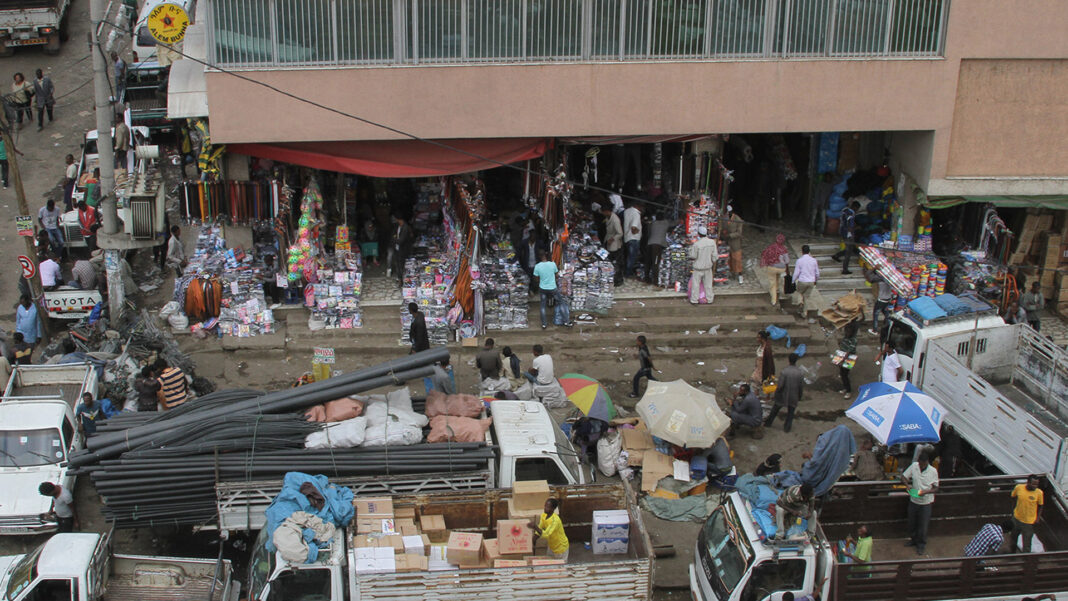
From Lemi Kura and Kotebe to Shola Market, Garment and Adey Ababa, rising food prices are forcing households across Addis Ababa to rethink how they spend their money, what they eat and how they manage their daily lives.
For many families, buying food has become an increasingly difficult exercise in balancing limited incomes against rising expenses. Households are purchasing smaller quantities, switching to cheaper alternatives and, in some cases, cutting meals to ensure their children have enough to eat.
The pressure is particularly severe for low-income households and salaried workers whose earnings have failed to keep pace with the cost of basic necessities. What was once a routine visit to the market has become a difficult calculation, with families weighing one essential expense against another.
According to the Ethiopian Statistics Service’s (ESS) September 2026 Consumer Price Index report, year-on-year national inflation reached 14.9 per cent, compared with 13.2 per cent in the same month a year earlier. Consumer prices also increased by 1.8 per cent between August and September 2026.
Food and non-alcoholic beverage prices rose by 14.8 per cent year-on-year. However, the increases varied considerably across food categories, with some essential products recording substantially higher rises.
Meat prices increased by 22 per cent, while cooking oils and fats rose by 18.2 per cent. Dairy products and eggs recorded an increase of 17.7 per cent, followed by vegetables at 11.4 per cent. Cereals, bread and pulses, which account for a significant part of the Ethiopian diet, increased by 8.6 per cent.
Although national inflation figures provide an indication of broader price movements, consumers’ experiences in local markets reveal the difficult choices households face when purchasing everyday necessities.
Families cut back
In Lemi Kura Sub-City, Etabez Belayneh, a 40-year-old mother of four, says the rising price of bread has become one of her family’s most difficult expenses.
“Three months ago, I used to buy a loaf of bread for 60 birr, but now it has reached 100 birr,” she told Capital. “When the price of a basic necessity increases so quickly, you cannot simply adjust your budget. You have to remove certain foods from your table. Every time you go shopping, you are forced to choose between one basic need and another.”
For Etabez, the challenge extends beyond bread. Higher prices for cooking oil, vegetables and other household necessities have made it increasingly difficult to maintain her family’s standard of living.
In Kotebe, Argaw Gizaw, a middle-aged government employee, says his family has responded to rising prices by reducing daily consumption.
With a fixed monthly salary, Argaw has limited opportunities to increase his income when market prices rise. The gap between his earnings and household expenses has forced his family to change its eating habits.
“Previously, we used to buy five loaves of bread every day so the whole family could eat together before work and school,” he said. “When the price of a loaf that used to cost 10 birr increased by five birr or more, we were forced to make difficult decisions. Now, we buy only three loaves a day, mainly for the children.”
Argaw and his wife have reduced their own bread consumption to ensure their children have enough.
“We leave the bread for the kids,” he said. “My wife and I eat whatever else we can find, or sometimes skip that meal altogether. It is the only way to make our salary last until the end of the month.”
Their experiences illustrate how rising food costs can compromise household diets, even as parents attempt to protect their children’s consumption.
Retailers face falling sales
Small retailers are also struggling as wholesale prices rise and customers purchase less.
At Shola Market, one of Addis Ababa’s major commercial centres, Misganaw Mideksa operates a small shop selling grains, flour and other basic goods. He says frequent price adjustments have changed his customers’ purchasing habits.
“Two weeks ago, I was selling wheat flour for 130 birr per kilogram. Today, I am forced to sell the same kilogram for 145 birr,” Misganaw told Capital.
He said the wholesale price of a 100-kilogram bag of flour had approached 14,000 birr, leaving retailers with little choice but to raise their selling prices.
“When I purchase goods at higher prices, I cannot sell them below my cost. I have to pass the increase on to consumers,” he explained.
However, the higher prices have reduced the quantities customers purchase. According to Misganaw, people who previously bought five or ten kilograms of flour are increasingly requesting one kilogram or even half a kilogram at a time.
“Every time prices change, people complain, which is understandable. They ask why the price has increased again within just 14 days. But my profit margin has not increased. In fact, my actual earnings have declined because sales volumes have fallen,” he said.
His account highlights pressures on both sides of the retail market: consumers struggle to afford basic products, while small businesses face higher replacement costs and declining sales volumes.
Bakeries struggle with input costs
Bakeries face similar difficulties as flour, electricity, transport and other production expenses increase.
An Addis Ababa bakery owner who has worked in the sector for more than five years, but requested anonymity, said rising operating costs had made it increasingly difficult to maintain existing bread prices.
“A 100-kilogram bag of quality flour can currently cost between 12,000 and 14,000 birr, depending on the supplier and quality,” the owner said.
“When you add electricity, baking ingredients, labour and transportation expenses, the cost of producing bread increases significantly. We know customers are struggling. Some check the price and walk away, while others buy less than they used to. But if we do not adjust our prices, we cannot pay our employees or cover our operating expenses.”
Cooking oil has added another burden to household food budgets. ESS figures cited in the report show that oils and fats recorded an annual price increase of 18.2 per cent.
As prices rise, consumers are increasingly replacing purchases of five-litre or larger containers with smaller bottles and sachets from neighbourhood shops.
Purchasing smaller quantities helps households manage immediate cash shortages. However, where smaller packages carry a higher unit price, families unable to afford bulk purchases may pay more per litre.
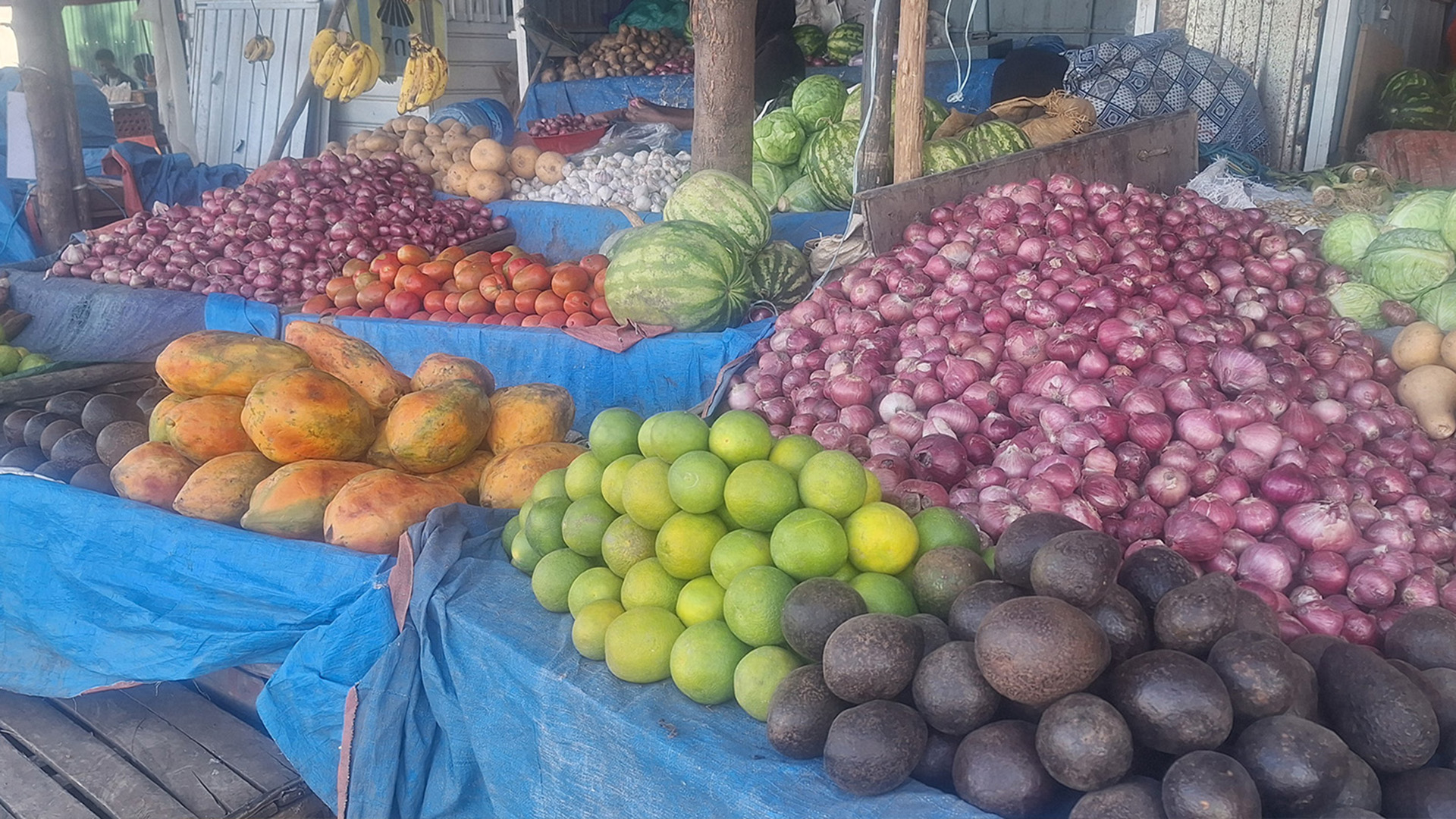
Onions, another essential ingredient in Ethiopian cooking, have also become a concern for households. Consumers are adjusting the quantities they purchase as prices fluctuate.
Questions over food distribution
The gap between prices received by agricultural producers and those paid by urban consumers has raised questions about Ethiopia’s food distribution system.
Abera Lema, an adviser to a state minister at the Ministry of Agriculture, told Capital that domestic wheat production was sufficient to meet national consumption requirements and that the country could export surplus production to regional markets.
“The wheat we have produced so far is sufficient for domestic consumption,” Abera said.
He attributed the difference between farmgate and retail prices partly to the intermediaries operating between farmers and consumers, including brokers, collectors, distributors and retailers.
Abera also identified excessive markups and the hoarding of agricultural products as factors contributing to price increases.
His comments point to a central question in the food market: how to ensure that increased production translates into affordable prices for consumers while maintaining fair returns for farmers.
City seeks agreement on bread
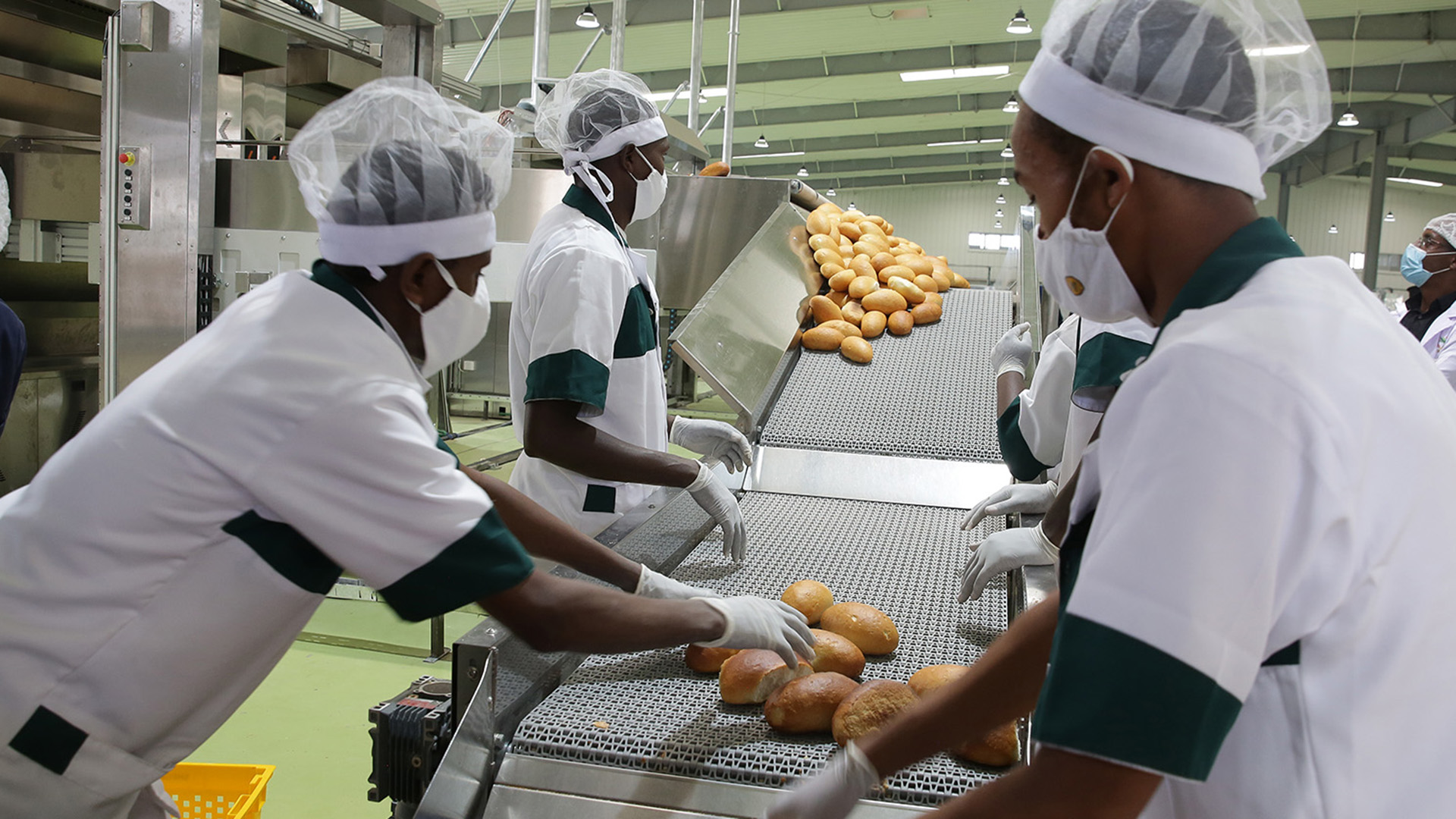
The Addis Ababa Trade Bureau recently held consultations with the Bread Manufacturers Association, bringing together representatives of industrial and commercial bakeries to discuss production costs, supply and affordability.
According to the bureau, participants agreed to produce and distribute standard 70-gram loaves while maintaining quality and hygiene requirements at what authorities described as fair prices.
Habiba Siraj, head of the bureau, said the city administration was considering support for large-scale bread producers, including providing land without lease payments to help reduce production costs.
She also highlighted initiatives such as Sheger Bread, which aims to distribute bread at reduced prices to low-income communities.
Habiba called on traders and distributors to demonstrate social responsibility and avoid exploiting difficult economic conditions through excessive profit margins.
However, questions remain about how the agreement will translate into affordable bread. The bureau’s announcement did not specify a fixed retail price for the standard 70-gram loaf, leaving uncertainty over how affordability would be defined and monitored.
Pressure beyond the food budget
Residents of Garment and Adey Ababa also told Capital that rising food costs had forced them to reduce spending on other necessities.
Education, transport, healthcare, clothing and housing compete for the same limited income. As food absorbs more of the household budget, less remains for these needs.
Economist Yishak Teka told Capital that sustainable solutions require a comprehensive approach addressing both agricultural production and the distribution systems connecting rural producers with urban consumers.
He identified reducing unnecessary intermediaries as one step towards improving market efficiency and limiting excessive price increases.
Yishak also stressed the need to strengthen agricultural productivity by ensuring smallholder farmers have affordable access to fertilisers, improved seeds and modern farming technologies.
Protecting farmers from international price shocks and unexpected market disruptions would help maintain stable domestic production, he said. However, increased output must be accompanied by improvements in distribution to ensure consumers benefit.
The economist called for the expansion of urban social protection programmes targeting low-income households, suggesting direct cash transfers and food vouchers as possible support mechanisms.
Such interventions, he argued, could help vulnerable families maintain access to essential food while broader reforms take effect.
On the macroeconomic front, Yishak said controlling inflation required disciplined monetary policy and effective liquidity management. At the same time, he cautioned against restricting credit to productive sectors that generate employment and expand domestic supply, particularly agriculture and food processing.
He also recommended an evidence-based price-monitoring system across major urban markets to improve transparency and identify unjustified markups and speculative trading practices.
Reliable and timely market information, he said, would help authorities respond to price changes and enable consumers to make informed purchasing decisions.
For families such as Etabez’s and Argaw’s, however, the immediate challenge remains making limited incomes cover the next market visit—and ensuring there is enough food until the next payday.