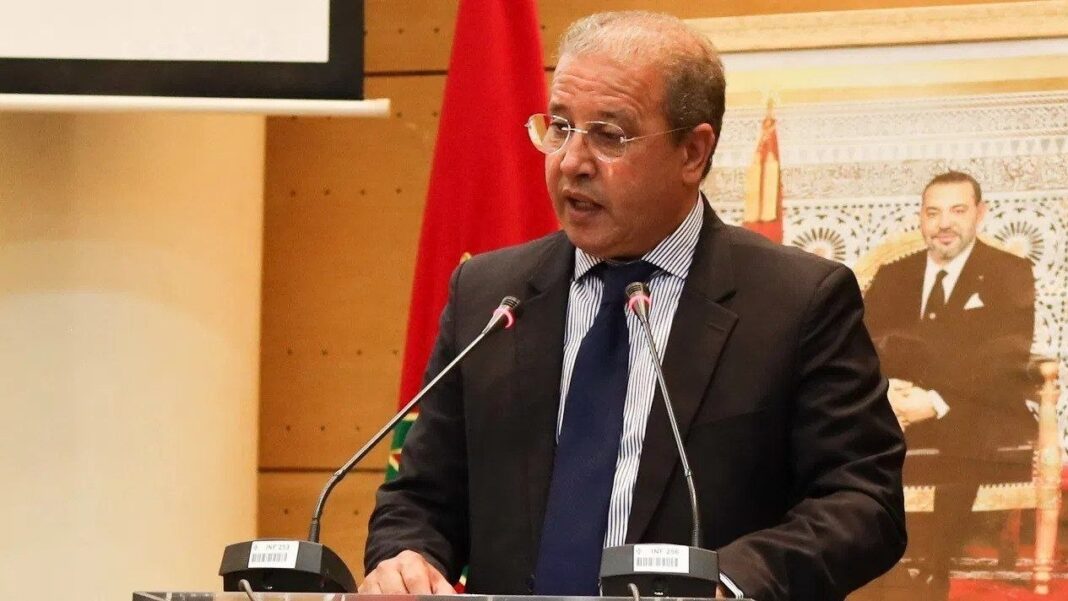
The Mohamed bin Zayed Foundation for Humanity has launched a mobile eye care programme aimed at expanding access to essential eye health services in underserved rural communities across Africa, with approximately 15,000 people expected to benefit during its first six months.
The programme’s initial phase will be implemented in Morocco and Mozambique in partnership with the health ministries of both countries, with plans to expand into other African nations where geographical distance and limited healthcare infrastructure prevent communities from accessing vital eye treatment.
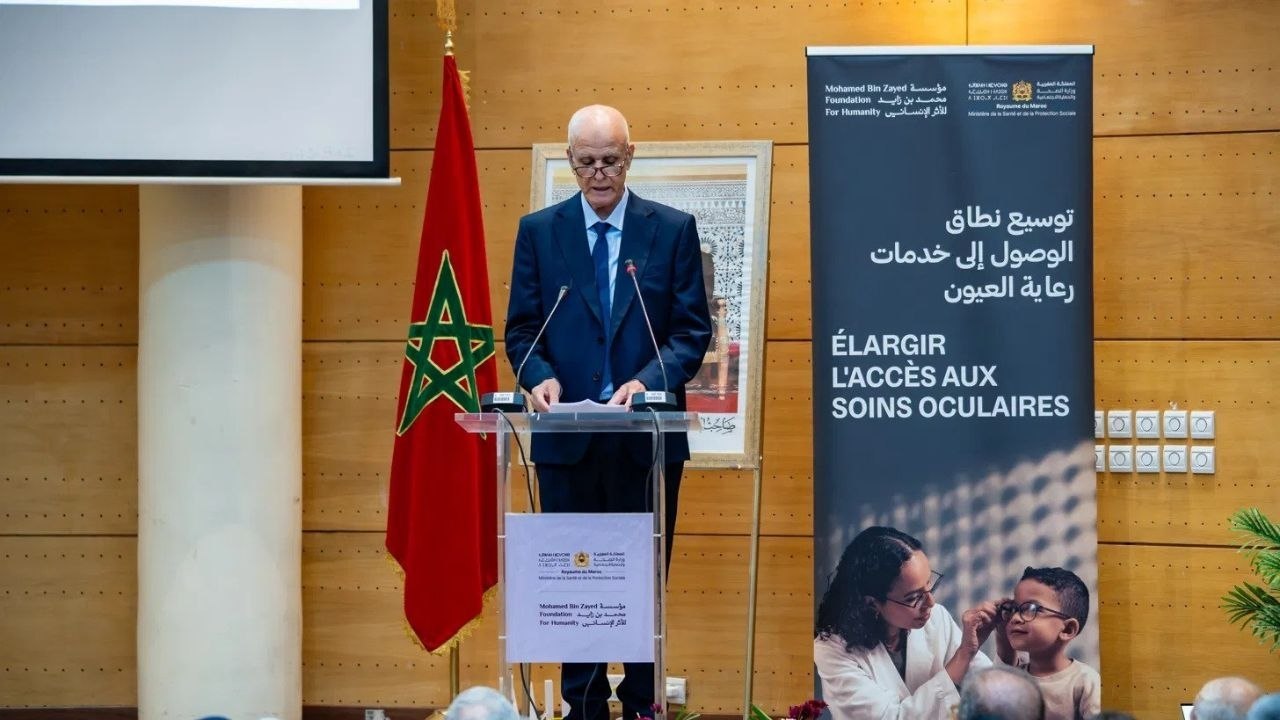
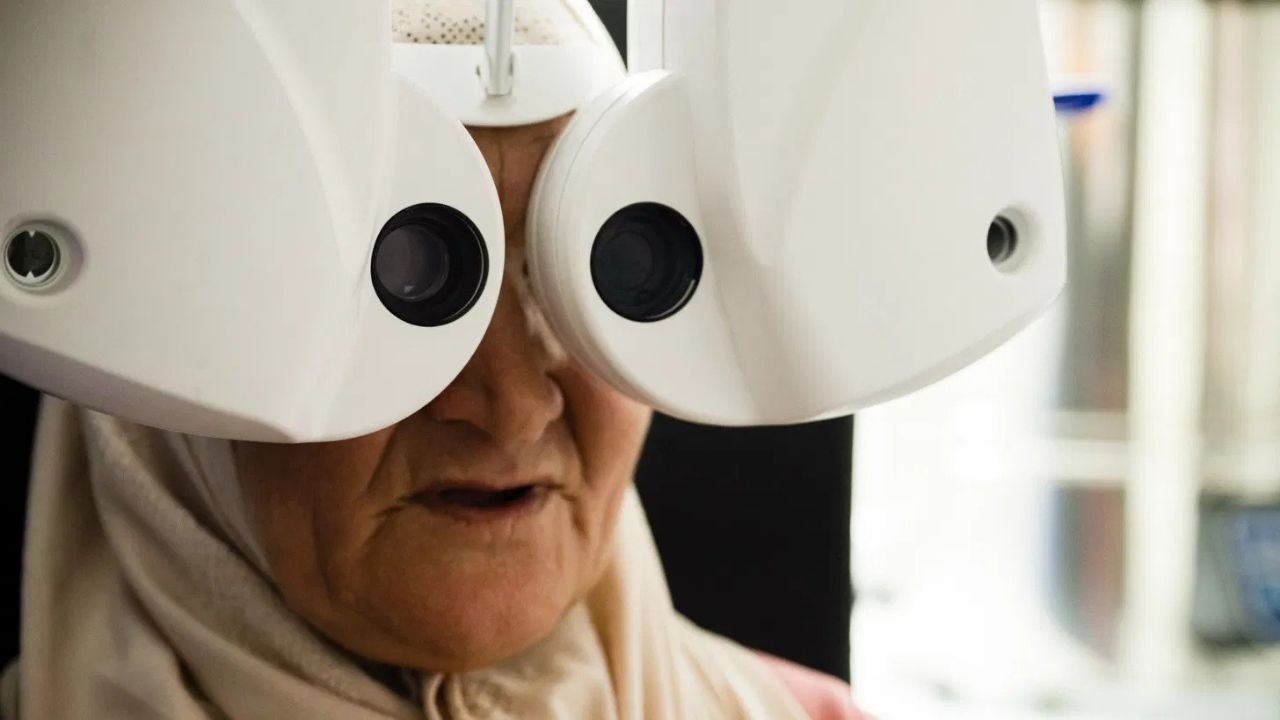
Announced on November 20, 2026, the initiative will deploy mobile clinics to provide vision screening, diagnosis, and treatment of eye conditions, as well as support for cataract surgeries. The programme is designed to bring medical services directly to rural populations rather than requiring patients to travel long distances to urban hospitals and specialised healthcare facilities.
According to the foundation, the mobile clinics will operate within existing national healthcare systems, ensuring that patients who require specialised treatment are referred to the relevant public health facilities.
The initiative comes amid growing concerns over the global burden of preventable vision impairment. At least 2.2 billion people worldwide live with some form of vision impairment, while at least 1 billion cases could have been prevented or treated through timely medical intervention. The foundation noted that up to 90 per cent of vision loss cases are preventable or treatable when people have access to proper eye care services.
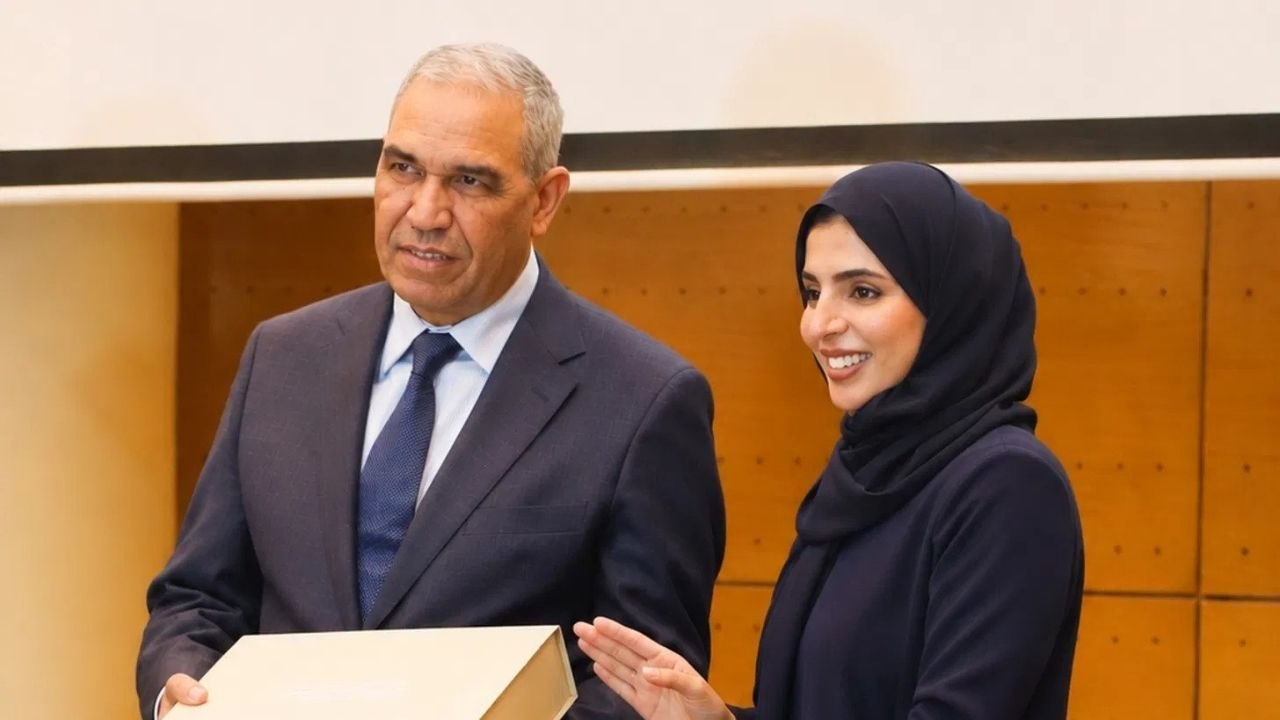
Speaking at the launch, Sheikh Shakhboot bin Nahyan Al Nahyan, Minister of State of the United Arab Emirates, said the programme reflects the UAE’s commitment to extending healthcare services to vulnerable communities. “Working hand in hand with the governments of the Kingdom of Morocco and the Republic of Mozambique, these mobile clinics will bring eye care directly to rural communities, ensuring that distance is no longer a barrier to treatment,” he said.
Morocco’s Minister of Health and Social Protection, Youns Bjijou, welcomed the partnership, saying it would reinforce the country’s efforts to strengthen its healthcare system and ensure that citizens receive quality medical services regardless of where they live. In Mozambique, Health Minister Ussene Hilário Isse said the partnership would help make eye examinations and treatment more accessible, reducing the need for patients to travel long distances or wait for extended periods before receiving medical attention.
Dr Shamma Khalifa Al Mazrui, Director-General of the Mohamed bin Zayed Foundation for Humanity, said many cases of vision loss could be addressed through relatively straightforward interventions, yet such services remain inaccessible to large sections of the population. She noted that restoring sight has benefits beyond individual health, including improving children’s educational opportunities, expanding employment prospects, and enabling people to participate more fully in their communities.
The foundation added that investment in eye health can generate economic returns of up to $28 for every dollar invested, making it a critical component of broader development efforts.