By Eyasu Zekarias
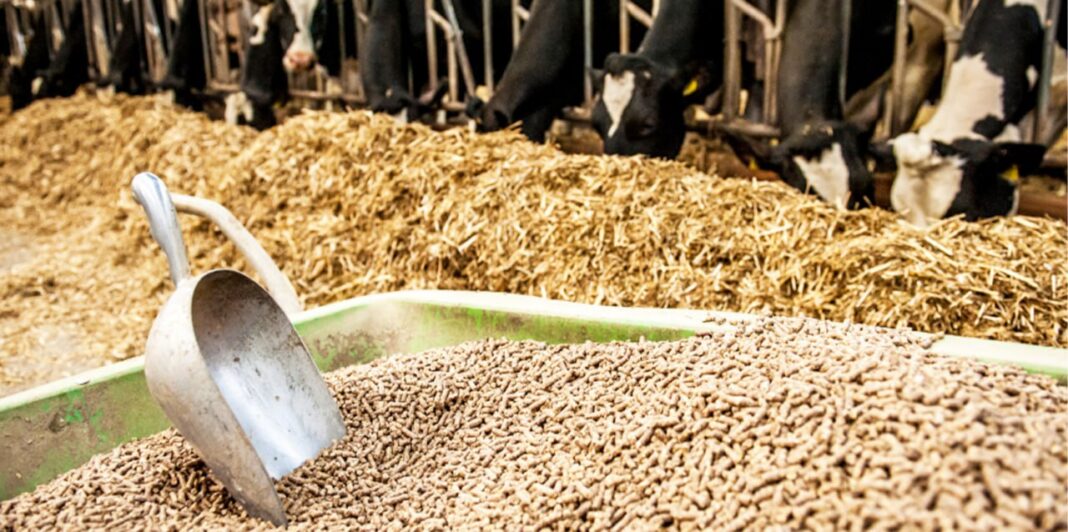
Ethiopian poultry and dairy producers are anxiously awaiting a government decision to lift taxes on animal feed, a move expected to be finalized by the end of October and seen as vital to curbing surging prices in the livestock sector. The anticipated tax relief, hinted at by top officials, could provide much-needed respite from crippling production costs that have driven prices for meat, milk, and eggs to unprecedented levels, making essential animal products unaffordable for many consumers.
Alemayehu Mekonnen, Senior Advisor at the Ministry of Agriculture, confirmed the urgency of the issue. “The main factor behind the doubling or even tripling of prices for milk, meat, eggs, and poultry is the price of animal feed,” he noted. Feed currently accounts for 70–75% of total operational expenses in the poultry and livestock industry, a strain sharply amplified by existing taxes on imported feed inputs.
The government’s proposal to exempt animal feed from taxes is expected to be placed on the Cabinet’s agenda by the end of October. Stakeholders hope the exemption, if approved, will ease the “capacity crisis” that has left consumers unable to access affordable animal products. Previous tax reform efforts have often faltered due to lack of continuity, making this round of policy change especially critical for sector stability.
The tax reform comes amid broader efforts to modernize Ethiopia’s vast livestock sector. The government is piloting the Animal Identification and Tracking System (LITS), a technology previously limited to foreign animals but now being rolled out domestically. LITS will allow registered animals to serve as security for bank loans and obtain insurance coverage, with pilot projects already underway in areas like Borena.
Recent macroeconomic reforms have also yielded positive results. Alemayehu highlighted record-breaking foreign exchange earnings from livestock exports, attributing the success to policy changes narrowing the gap between official and parallel market exchange rates. “Removing the incentive for smuggling by reducing price differences has made a big difference,” he explained.
Government data shows that Ethiopia exported 627,000 animals in the past year, far surpassing previous records. A shift toward public-private partnerships has unlocked new export markets, notably for heat-treated meat bound for China.
At the same time, the Ministry of Finance’s new Directive No. 1006/2024 is driving a comprehensive review of value-added tax (VAT) exemptions. While the VAT exemption for animal feed was temporarily removed, the government has reintroduced concessions on select agricultural and essential food products such as grains, agricultural chemicals, and bread.
Sector stakeholders remain focused on the imminent Cabinet decision, which they hope will bring the price stability needed to keep the poultry and dairy industries afloat. The upcoming African Animal Husbandry Exhibition and Congress, opening in Addis Ababa on October 30, will offer further opportunity for industry players from 14 countries to discuss the way forward for Ethiopia’s livestock sector.