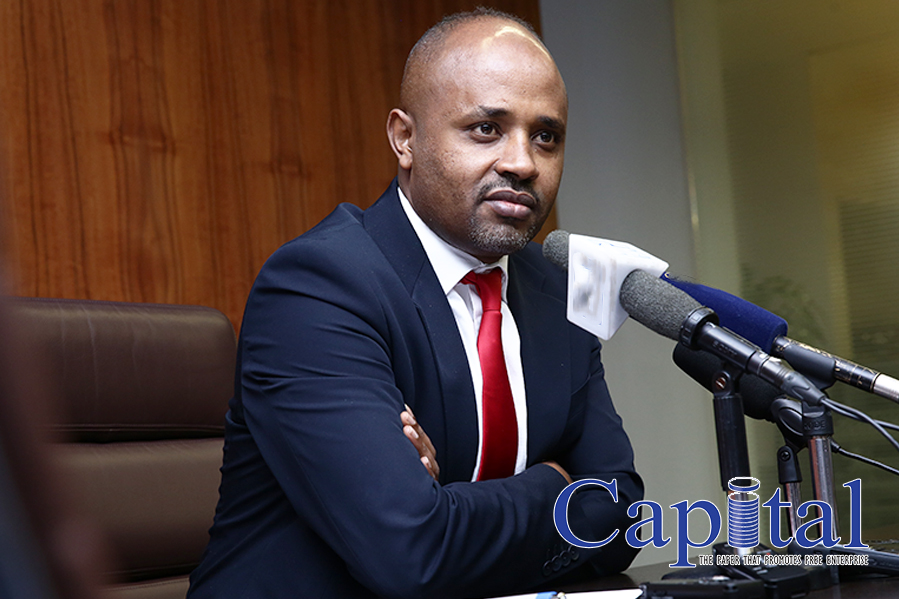
Ethiopia’s mining sector faces an “existential threat” unless companies immediately prioritize environmental protection and community safety, Mines Minister Habtamu Tegegn warned at a major workshop on gold extraction standards.
Speaking at an International Cyanide Management Code (ICMC) forum in the capital, the Minister described the country’s vast mineral wealth — particularly gold and silver — as a “strategic pillar” for economic growth and foreign exchange earnings. However, he cautioned that unchecked operations could trigger environmental disasters and social crises.
“The mining sector can only be sustainable when the environment and people’s safety are protected,” Habtamu stated. “Otherwise, mining will leave behind a dark history that threatens everything nearby.”
Ethiopia is aggressively scaling up gold production to boost exports and reduce import dependency, but the government is determined to avoid the pollution scandals that have plagued other nations. As the sector’s economic footprint expands, so does its responsibility, the Minister emphasized.
The workshop centered on the ICMC, a globally recognized protocol for safely managing cyanide — a highly toxic chemical used for over 130 years to extract gold from ore. While effective, cyanide poses severe risks to humans and aquatic life if mishandled.
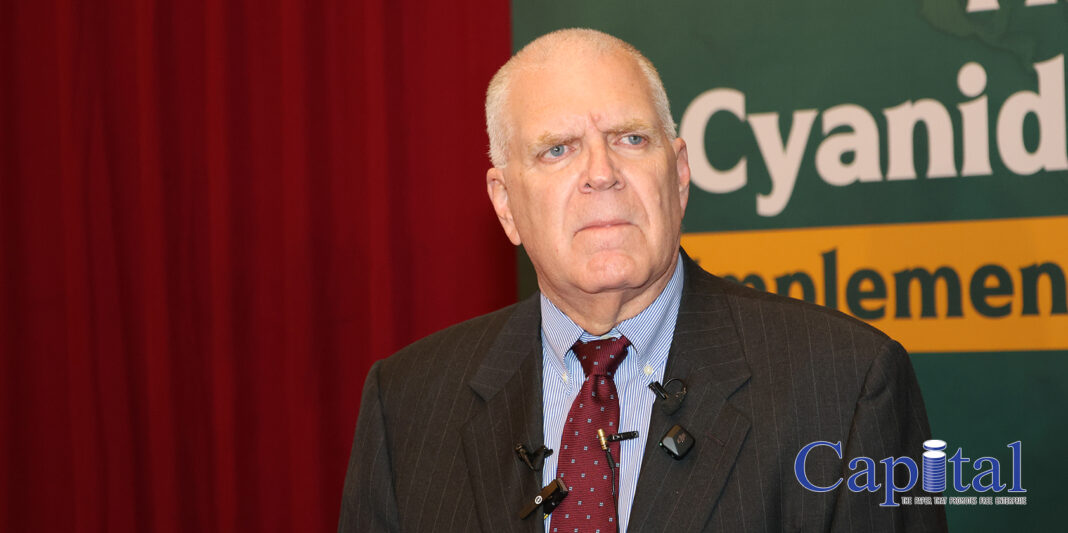
Paul Bateman, Chairman and CEO of the International Cyanide Management Institute, joined the Minister in urging Ethiopian firms to adopt the code. He highlighted its flawless safety record: in 20 years, no fatalities from cyanide exposure have occurred at certified international operations.
A milestone was announced: MIDROC Gold Mine PLC has become Ethiopia’s first recipient of full ICMC certification, covering both mining and chemical transport operations. The Minister hailed it as an industry “benchmark,” urging others to follow suit.
ICMC-certified companies distinguish themselves through mandatory public disclosure. Unlike opaque operations, they publish detailed audit reports online for scrutiny by NGOs, communities, and regulators.
“Transparency is what sets us apart,” Bateman said. Over 1,200 audit reports are now publicly accessible, allowing stakeholders to independently verify compliance with rigorous safety standards.
Habtamu praised MIDROC’s leadership, noting that visible accountability builds trust and protects Ethiopia’s reputation as a responsible mining destination.