Opinion
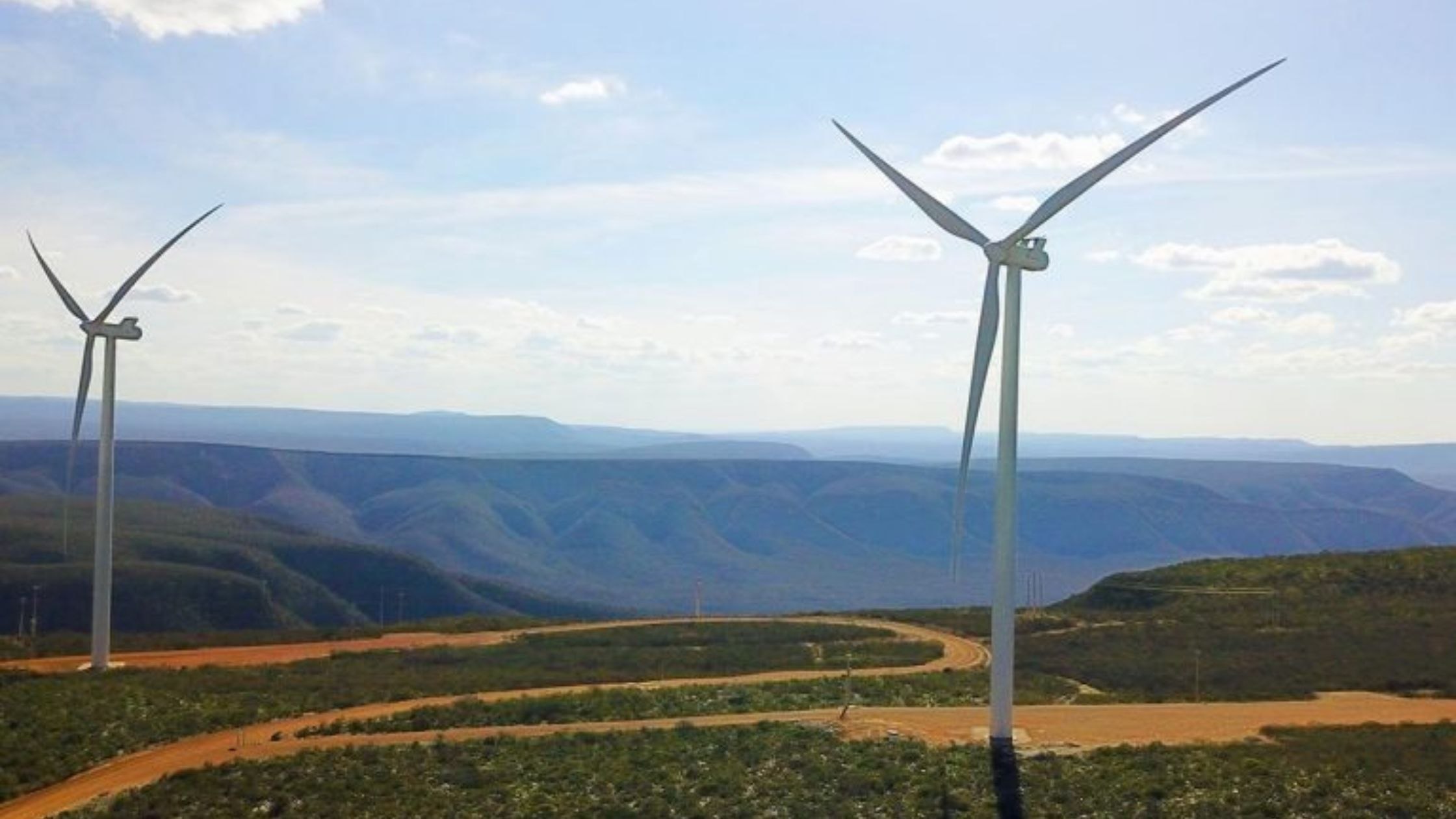
Few places illustrate Africa’s renewable-energy opportunity more vividly than Ethiopia’s Somali Regional State. What appears at first glance to be a remote, arid landscape is increasingly emerging as one of the Horn of Africa’s most promising sources of clean electricity. Sweeping wind corridors across eastern Ethiopia provide exceptional conditions for utility-scale power generation, yet for decades this potential remained largely unrealized because of financing constraints, infrastructure deficits, and limited private-sector participation.
Today, that reality is beginning to change. As Ethiopia pursues economic reforms and works to expand electricity access, coverage has risen from roughly 44 percent to about 54 percent in recent years, against a national target of 75 percent by 2030; new forms of international partnership are becoming indispensable. Ethiopian Electric Power has estimated that delivering its long-term generation pipeline of 71 projects would require investment in the order of US$40 billion over a decade, a figure no public budget can carry alone. The country’s renewable-energy ambitions are no longer solely a domestic development story. They are becoming part of a broader model of South–South cooperation driven by capital, technology, and long-term strategic alignment.
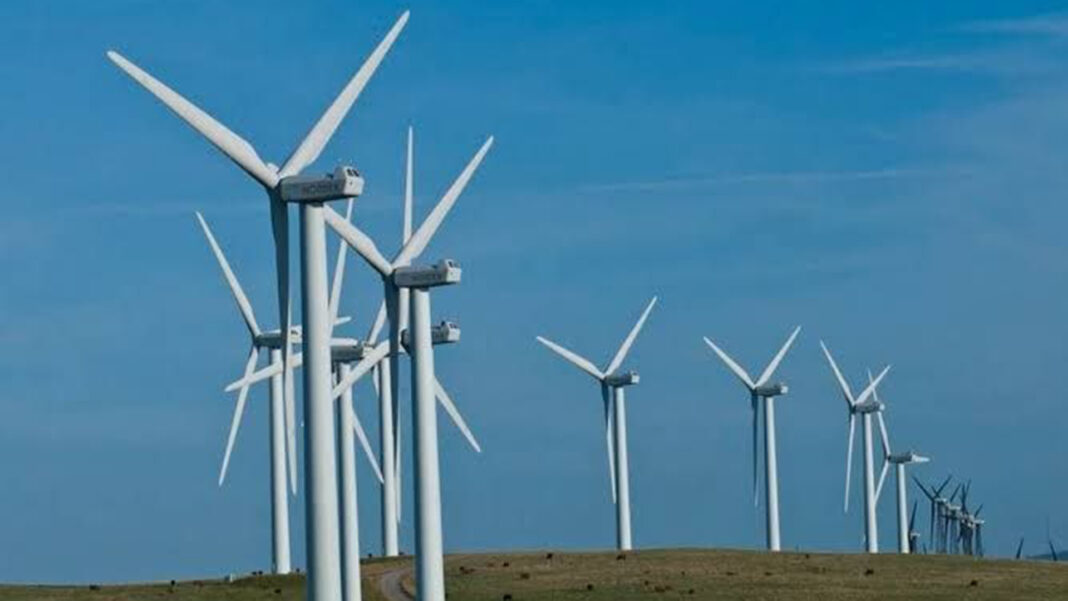
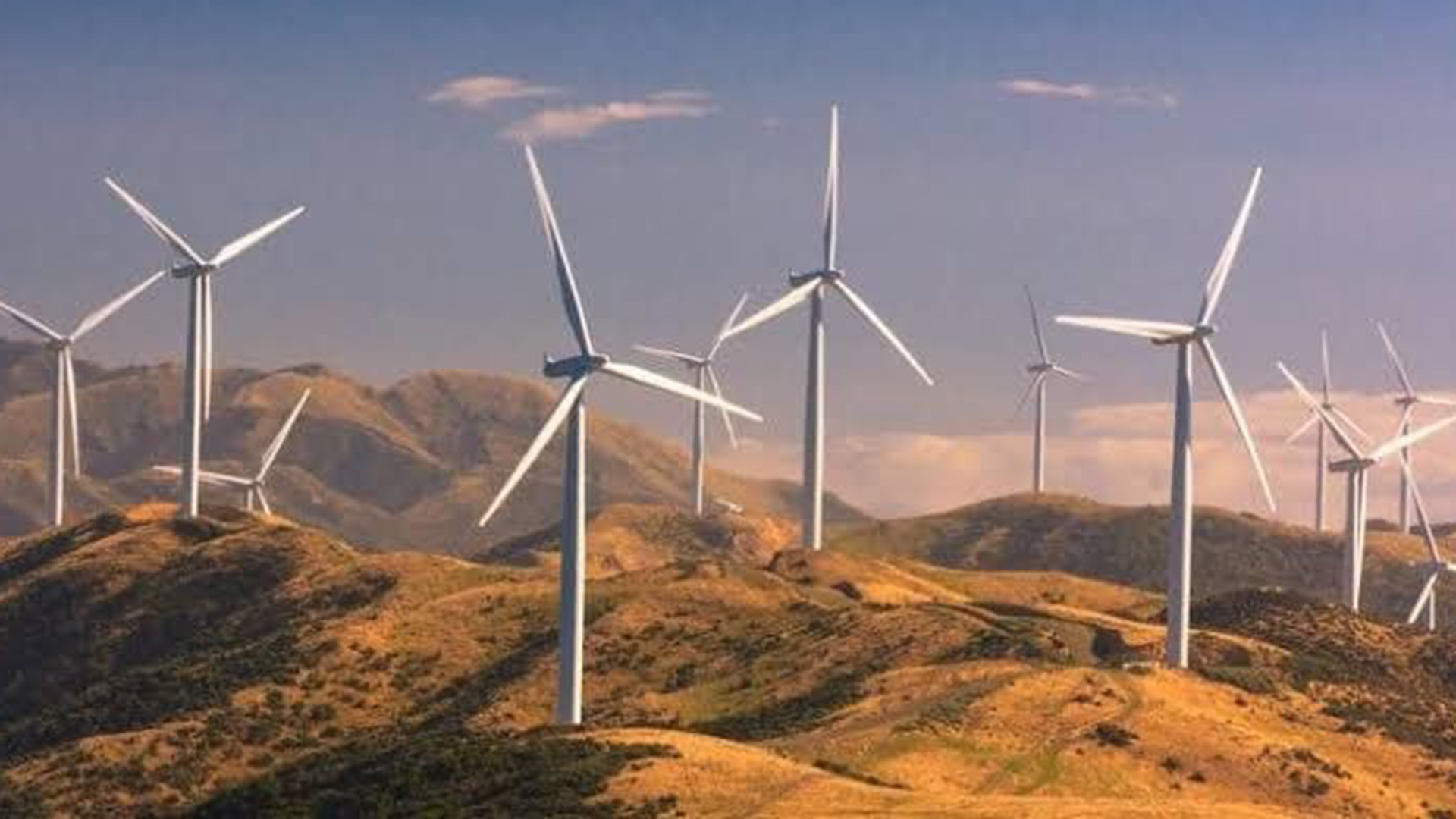
Among the most significant examples of this transformation is the US$620 million Aysha-1 Wind Power Project, being developed by UAE-based AMEA Power. With a planned generation capacity of 300 megawatts, the project represents one of the largest renewable-energy investments in Ethiopia’s history and is expected to become the largest wind farm in the Horn of Africa. Launched with a Letter of Award signed at COP28 in Dubai, and anchored by a 25-year Power Purchase Agreement with Ethiopian Electric Power (EEP) signed in August 2024 alongside an Implementation Agreement with the Ministry of Finance and a Land Lease Agreement with the Somali Regional State government, the project reflects Ethiopia’s growing embrace of private-sector-led renewable-energy development. It is also the country’s first utility-scale renewable Independent Power Producer to be developed under the public-private partnership framework.
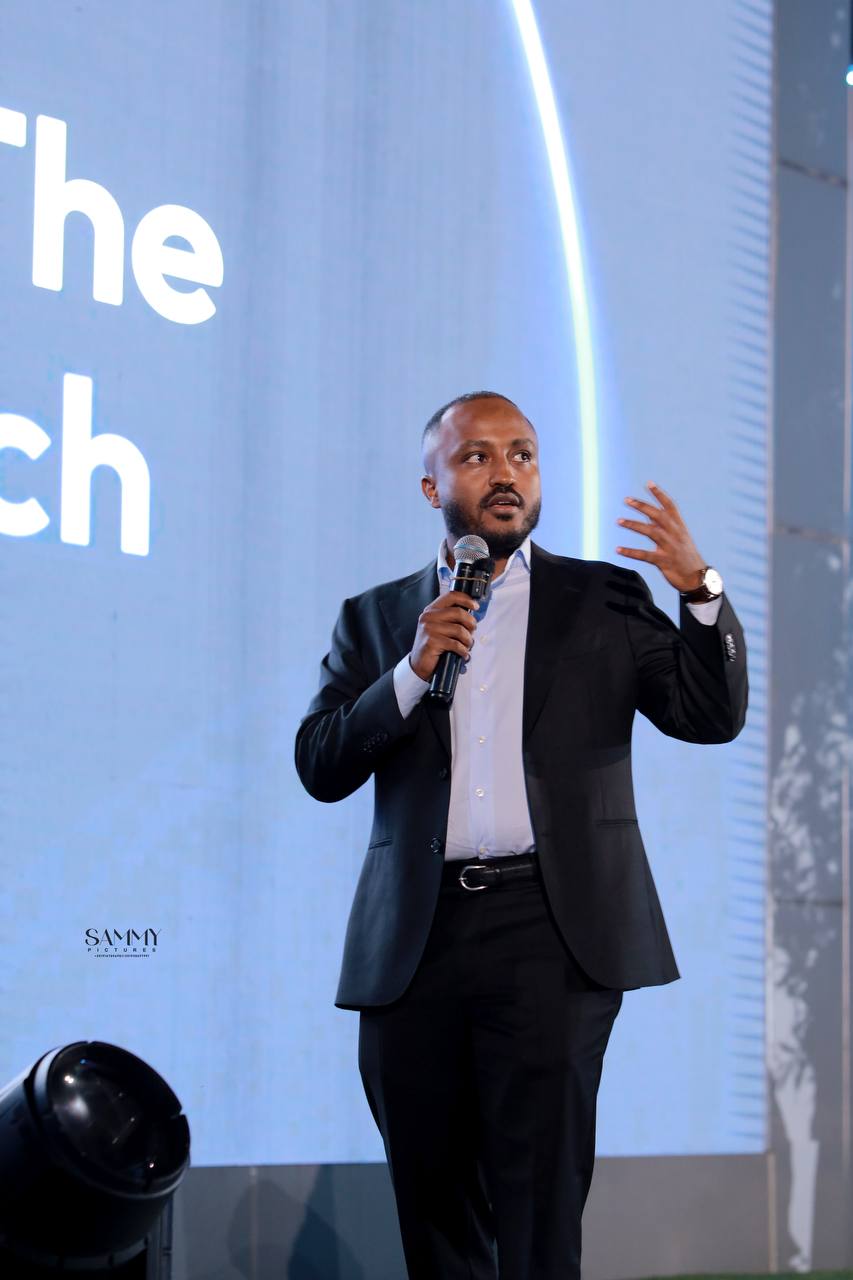
The strategic significance of the project extends beyond Ethiopia itself. In a written interview with Capital, UAE Minister of Foreign Trade Thani bin Ahmed Al Zeyoudi underscored the central role of clean energy in Africa’s development trajectory: “Clean energy is arguably the most transformative sector for the next phase of UAE–Africa cooperation. At COP28, the UAE announced an AED 4.5 billion initiative targeting 15GW of clean energy capacity across Africa by 2030. In Ethiopia, AMEA Power’s US$620 million Aysha-1 wind project is set to become the largest wind farm in the Horn of Africa.”
That partnership sits within a rapidly deepening commercial relationship. Bilateral non-oil trade between Ethiopia and the UAE tripled to US$6.2 billion in 2025, a pace of growth that gives the energy cooperation a durable commercial foundation rather than leaving it dependent on goodwill alone.
Yet translating ambitious energy projects into long-term economic transformation requires more than headline investments. The effectiveness of Ethiopia–UAE renewable-energy cooperation will ultimately depend on how successfully foreign capital, technical expertise, regulatory reforms, and domestic infrastructure development align to create a resilient and sustainable energy system.
The scale of the Aysha-1 project illustrates the changing dynamics of infrastructure financing in East Africa. Located in the Aysha area of Ethiopia’s Somali Region, the wind farm is expected by its developer to generate approximately 1,400 gigawatt-hours of clean electricity annually once operational; AMEA Power estimates to serve more than four million households while avoiding over 690,000 tonnes of carbon emissions each year. The company also projects more than 1,500 direct jobs across the construction and operational phases. These are the developer’s own figures and will need to be tested against delivery, but even discounted they represent a meaningful contribution to Ethiopia’s electrification and industrialization objectives.
Momentum has continued since signature. In January, the African Development Bank and the International Finance Corporation were confirmed as mandated lead arrangers for the project’s financing, and a high-level lenders’ meeting in Addis Ababa brought together international financiers, the National Bank of Ethiopia, and the Ministry of Finance to address questions on foreign-exchange convertibility, offshore transferability, and sovereign support. The fact that Ethiopian authorities were willing to answer those questions in front of a room of lenders is itself a signal of how much the investment climate has shifted.
The UAE has emerged as one of the world’s most active investors in renewable energy, deploying capital across solar, wind, green hydrogen, and other clean-energy technologies both at home and abroad. According to the Ministry of Energy and Infrastructure, the country’s renewable-energy capacity expanded from 129 MW in 2015 to more than 8.2 GW in 2025, a more than sixty-three-fold increase, with clean sources accounting for 32.4 percent of electricity generation last year. A country that transformed its own power system in a decade brings more than money to a partnership; it brings recent, relevant experience.
Across Africa, this strategy has translated into significant commitments. Between 2019 and 2023, Emirati companies announced projects worth approximately US$110 billion across the continent, including roughly US$72 billion directed toward renewable energy, according to FT Locations data cited by the Financial Times , commitments that outpaced those announced by companies from the United Kingdom, France, and China over the same period.
Companies such as AMEA Power, which has around three gigawatts of projects developed or under development across Africa, have expanded their footprint across African markets, helping bridge financing gaps that often delay strategically important infrastructure projects. Beyond capital, they bring engineering, procurement, construction, and project-management expertise that many emerging economies require to accelerate project delivery and reduce implementation risk.
This approach reflects a broader Emirati vision of development partnerships built around long-term value creation. As Al Zeyoudi put it in the same interview: “The UAE is positioning itself as a reliable and forward-looking partner through long-term investments and partnerships designed to create lasting economic value. Our investments in Ethiopia reflect that approach: AMEA Power’s wind farm will deliver sustainable energy for decades.”
For Ethiopia, this matters because the real significance of projects such as Aysha lies not only in the electricity they generate, but in the confidence they generate. Successful delivery of a landmark PPP sends a powerful signal to development finance institutions, commercial lenders, and private infrastructure investors that Ethiopia’s renewable-energy market is increasingly investable. Officials have described the transaction as a replicable model for future projects, and replication is precisely the point.
The strategic benefits are particularly significant given the structure of Ethiopia’s energy sector. The country’s electricity system remains heavily dependent on hydropower, which provides the overwhelming majority of generation capacity. While hydropower has delivered relatively low-cost electricity for decades, increasing climate variability and recurring drought pressures highlight the need for a more diversified energy mix. Wind generation offers an important complement to hydropower, reducing dependence on a single resource and strengthening overall system resilience, particularly because Ethiopia’s wind resource tends to peak when its rivers run low.
Nevertheless, an honest case for this partnership must also acknowledge its challenges. Long-term power purchase agreements involving foreign-currency obligations can create real financial pressures for a national utility when local-currency depreciation outpaces revenue growth a risk that has strained utilities elsewhere on the continent and one that lenders raised directly in Addis Ababa. Managing it requires disciplined financial planning, regulatory stability, cost-reflective tariffs, and continued improvements in utility performance.
Transmission infrastructure presents another critical challenge. Generating renewable electricity in remote regions is only part of the equation. Delivering that power efficiently to major demand centres requires sustained investment in transmission networks, substations, and grid modernization. EEP has identified dozens of transmission projects for the current fiscal year precisely because the network has become the binding constraint on new generation. Broader expansion will be necessary if Ethiopia is to capture the full value of Aysha and the projects expected to follow it.
Environmental and social considerations must also remain central to implementation. Utility-scale wind farms occupy substantial land; the Aysha site covers an area measured in tens of thousands of hectares and can affect local ecosystems, pastoralist livelihoods, and migratory bird routes if not carefully managed. Concerns have been raised more broadly about environmental and labour standards accompanying the rapid expansion of Gulf investment in Africa, and Ethiopia has every interest in ensuring this project answers them. Robust environmental safeguards, meaningful consultation with pastoralist communities, transparent benefit-sharing, and enforceable local employment commitments are not obstacles to the project’s success; they are conditions of it.
The broader context is equally important. Ethiopia is undertaking reforms aimed at strengthening its energy sector, attracting private investment, expanding electricity access, and enhancing regional power trade. The government is advancing market-oriented reforms, exploring decentralized energy models, and supporting initiatives within the Eastern Africa Power Pool to facilitate greater cross-border electricity exchange. Achieving the vision of a more integrated regional power market will require continued investment in interconnection infrastructure, regulatory coordination, and institutional capacity.
Viewed through this lens, the UAE’s growing role in Ethiopia’s renewable-energy sector represents more than a bilateral investment story. It offers a compelling demonstration of how South–South cooperation can help address some of Africa’s most pressing development challenges. At a time when many countries are searching for pathways toward industrialization without increasing carbon dependence, Ethiopia’s partnership with the UAE illustrates how finance, technology, and policy reform can converge around shared economic interests.
Ultimately, the success of the Aysha-1 Wind Power Project will not be measured solely by the 300 megawatts it adds to the national grid. It will be measured by whether it strengthens energy security, expands economic opportunity in host communities, attracts further investment, and accelerates Ethiopia’s transition toward a more diversified and resilient electricity system.
The true significance of Aysha is not simply the power it will generate, but the confidence it can generate. If Ethiopia combines its abundant renewable resources with sound regulation, modern infrastructure, and strategic international partnerships, the winds sweeping across the plains of eastern Ethiopia may do far more than turn turbines. They may help power a new era of industrial growth, energy sovereignty, and economic transformation across the Horn of Africa.
By Abel Takele