Ethiopia’s long-anticipated nuclear power partnership with Russia has officially entered the “practical work” phase, moving beyond years of diplomatic negotiations and feasibility studies into tangible development activities.
The nuclear collaboration, which aims to reshape the energy landscape of East Africa, follows comprehensive agreements signed between Ethiopia’s Electric Power (EEP) and Russia’s state-owned nuclear corporation, ROSATOM, in late 2025. According to officials, the project is now progressing from concept to implementation.
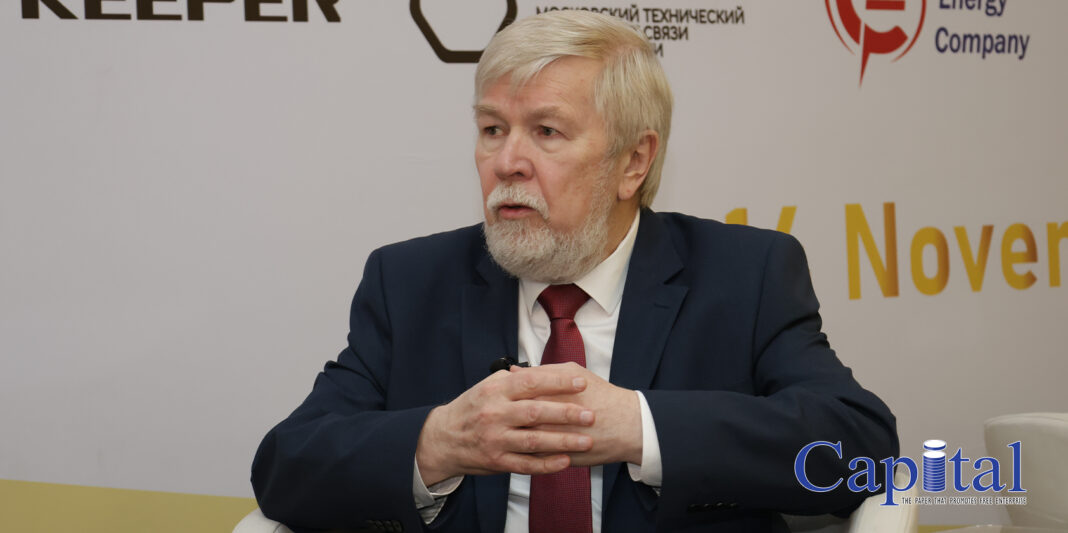
Russian Ambassador to Ethiopia Evgeny Terekin told Capital that the groundwork is firmly in motion. “We are not wasting time,” he said. “The first phase involving legal preparations and preliminary technical work has been completed. What follows now are specialized working groups and detailed site assessments for the construction of a nuclear power plant.”
The planned facility, expected to generate up to 2,400 megawatts, will house two VVER‑1200 reactors, a standard Russian design currently operating in several countries. The new stage marks what officials described as the most significant milestone since talks began between the two nations.
Among the latest developments is the introduction of a financial framework designed to ease Ethiopia’s investment burden. Ambassador Terekin explained that the new model departs from traditional state-to-state loan structures. Under the proposed arrangement, Russia will finance between 80% and 90% of the project’s total cost, to be repaid over 25 years at low interest.
The arrangement, he noted, “ensures Ethiopia can pursue high-tech energy generation without carrying the heavy upfront costs that often accompany such mega-projects.”
While the power plant remains the centerpiece, the nuclear cooperation agreement includes broader scientific and educational programs. A Nuclear Science and Technology Center, which is currently under feasibility study, is expected to offer social and research benefits in areas such as medicine, agriculture, and materials science.
Dr. Teklemariam Tessema, coordinator of Ethiopia’s National Nuclear Program, described the center as “a vital bridge between energy production and domestic scientific development.”
Russia has also expanded its academic support to sustain the technical skills needed for the project. Six years ago, Moscow granted around 30 annual scholarships for Ethiopian students. That number has now increased to over 150 scholarships per year, attracting more than 1,200 applicants for 2025, according to Ambassador Terekin.
“Russian education remains very popular among Ethiopians,” he said. “Our goal is not only to train engineers for the nuclear sector but also to renew the historic intellectual bonds between Ethiopia and Russia, many of which date back to the Soviet period.”
The renewed nuclear cooperation comes amid what officials describe as an economic “revival” between the two countries. Bilateral trade volume between Ethiopia and Russia more than doubled in the first half of 2025, reaching USD 191.2 million, official figures show.
Ethiopia has seen a 60% surge in coffee exports to Russia, while Russian supplies of fertilizers and grain continue to expand. The sectors prioritized for new Russian investment now include agriculture, mining, and the digital economy.
Both governments view the nuclear partnership as emblematic of a broader geopolitical shift. They describe it as more than just an energy deal—one that aligns with their shared stance against what they call “neo-colonial approaches” and their advocacy for a “polycentric world order.”
Ambassador Terekin emphasized the strength of the personal rapport between Prime Minister Abiy Ahmed and President Vladimir Putin as a key driver of this engagement. “The dialogue based on personal conviction has been central,” he said. “Choosing Russia’s nuclear path enables Ethiopia to pursue advanced technology under equitable cooperation, free from external pressure.”
Energy analysts note that the move to nuclear generation represents Ethiopia’s most ambitious step toward diversifying its power sources beyond hydropower, which currently provides more than 90% of its electricity.
The planned nuclear plant, once operational, will not only relieve pressure on water-dependent energy sources but also enhance the country’s ability to export clean power regionally. Officials involved in the project expect the first tangible construction activities to begin following final site assessments and environmental reviews.
As Ethiopia transitions into the “practical” phase of this strategic project, observers say the collaboration could redefine both the nation’s energy future and its diplomatic posture in the Global South.
If implemented as planned, Ethiopia will join a growing list of African nations—such as Egypt, South Africa, and Nigeria—partnering with ROSATOM to develop nuclear capacity, marking a new chapter in the continent’s pursuit of energy independence.