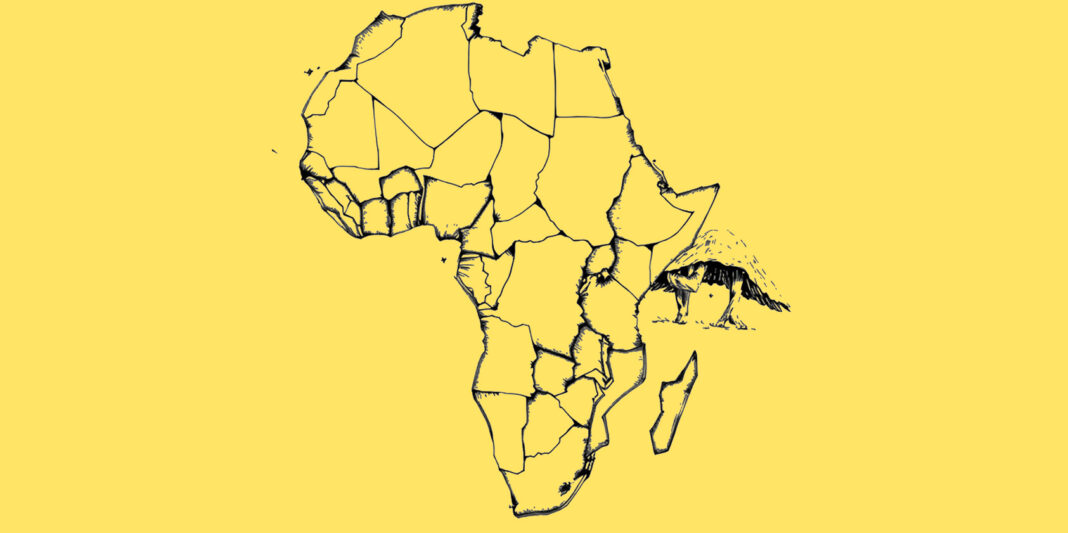
Israel’s recent recognition of Somaliland marks a bold geopolitical maneuver with profound ramifications for the volatile Horn of Africa. Announced on December 26, 2025, by Prime Minister Benjamin Netanyahu, this decision positions Israel as the first UN member state to affirm Somaliland’s independence, 35 years after its declaration from Somalia. Far from a mere diplomatic gesture, it reshapes alliances, security dynamics, and economic prospects in a region critical to global trade routes.
Israel views Somaliland through the lens of Red Sea security and the Abraham Accords framework. Somaliland’s Gulf of Aden coastline, including the strategic Berbera port, offers Israel a foothold to counter Houthi threats backed by Iran, securing vital maritime lanes disrupted since late 2023. Netanyahu framed the move as supporting a “democratic, moderate Muslim nation,” inviting President Abdirahman Mohamed Irro for talks and pledging cooperation in security, economy, and technology. Critics question its longevity, with some Somali voices alleging it lacks Knesset approval, yet it advances Israel’s doctrine of projecting influence into African chokepoints.
Somalia condemned the recognition as a “grave threat to international peace,” vowing to defend its sovereignty amid struggles against al-Shabaab. The African Union, Turkey, Saudi Arabia, and Qatar echoed outrage, fearing it sets a secessionist precedent. Ethiopia watches closely; already tied to Somaliland via a 2024 port deal, this could embolden Addis Ababa’s sea access quests, straining ties with Mogadishu but aligning with Israeli interests. Eritrea and Djibouti risk marginalization, as Israel’s pivot challenges Turkish-Qatari dominance in Somalia.
This unprecedented step risks igniting fragmentation across the Horn. Somalia’s fragility—exacerbated by al-Shabaab offensives and funding gaps for AU missions—could spiral, spilling insecurity into Kenya and Ethiopia via terrorism and piracy. Proxy rivalries intensify: Israel’s alignment bolsters UAE-backed Somaliland against Doha-Ankara support for Mogadishu, potentially fueling clan conflicts in Puntland and Jubaland. For Ethiopia, a key Horn power, it complicates internal secessionist pressures in Oromia and Tigray, mirroring Somaliland’s bid.
Yet, positives emerge for stability advocates. Somaliland’s democratic track record—peaceful elections, relative calm—contrasts Somalia’s chaos, justifying recognition as rewarding good governance. Economic corridors via Berbera could link Israel to landlocked Ethiopia, fostering trade in agriculture, water tech, and security, while curbing Iranian influence. If leveraged wisely, this partnership might pressure Somalia toward federal reforms, integrating Somaliland’s stability into a unified framework.
Israel’s gambit tests African unity on territorial integrity, potentially inspiring recognitions elsewhere. For the Horn, it accelerates great-power competition—US-Israel axis versus Turkey-Qatar-Iran—threatening proxy wars but also incentivizing diplomacy. Ethiopia, as regional anchor, must balance sea access gains against isolation risks; failure invites chaos, success could herald a pragmatic new order.
The Horn stands at a crossroads: Israel’s recognition could catalyze investment and security or unleash balkanization. Stakeholders—from Addis Ababa to Mogadishu—must prioritize dialogue over division, perhaps via AU-mediated talks affirming Somaliland’s autonomy within Somalia. Ethiopia’s leadership is pivotal; embracing partnerships without fueling irredentism offers the path to shared prosperity. Ignoring this invites a “gathering storm” of instability. Ultimately, recognition underscores a truth: in geopolitics, stability favors the bold, but only if tempered by restraint.