As Africa’s coffee production rises to claim 14% of the global market, industry leaders are intensifying calls for the continent to move beyond exporting raw beans toward greater local processing, regenerative farming practices, and unified sustainability standards that enhance farmer livelihoods and meet stringent international regulations.
The push gained momentum at the 7th Rainforest Alliance African Fine Coffees Association (AFCA) Sustainability Day in Addis Ababa, themed “Sustainability in Every Cup: Brewing a Regenerative Future Today.” The event spotlighted the transition from conventional “sustainable” coffee production to regenerative agriculture that actively restores ecosystems, improves soil health, and bolsters resilience for smallholder farmers — who produce over 70% of the world’s coffee.
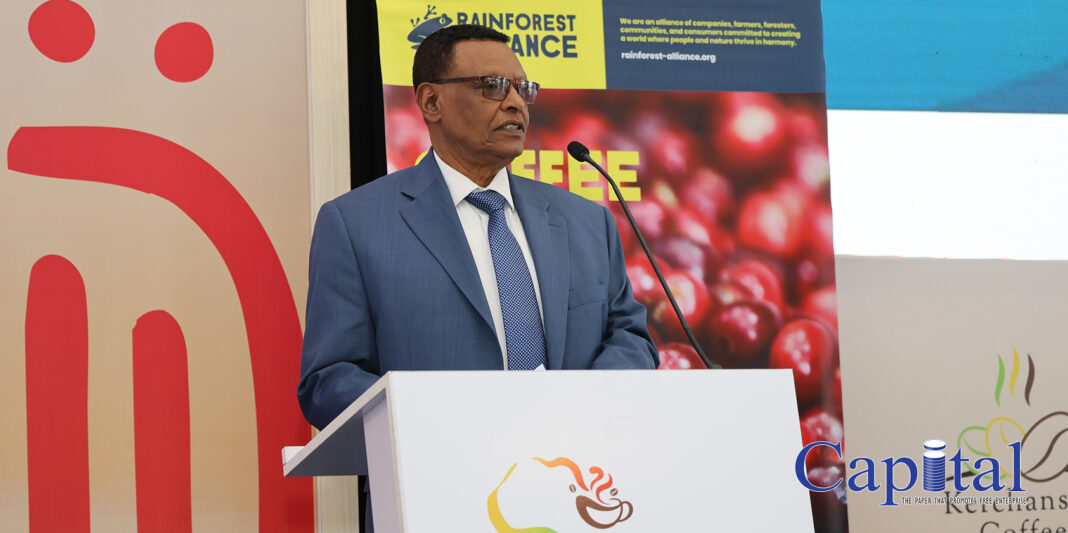
AFCA Board Chairman Amir Hamza opened the forum with a pointed anecdote from a local coffee shop: “Give me a cup of coffee that won’t hurt anyone.” He argued that markets must evolve beyond the minimalist “do no harm” mindset toward proactive regeneration.
“The future of our industry depends on ethical production and environmental stewardship,” Hamza said. A centerpiece of the day was the unveiling of the Rainforest Alliance Regenerative Agriculture Standard (RAS), a new certification framework tailored to help smallholder cooperatives adopt practices focused on soil regeneration, water management, and biodiversity.
“This is an existential strategy to combat climate change while building resilient livelihoods,” Hamza emphasized. Organizers measured the event’s success through commitments to implementation roadmaps for cooperatives, public-private coordination, and positioning sustainability as a trade enabler rather than a barrier.
The gathering also marked the launch of the Integrated African Coffee Sustainability Standard, developed by the Inter-African Coffee Organization (IACO) in partnership with the African Union. IACO Secretary-General Solomon Rutega described it as a continent-wide tool to help African producers comply with the European Union Deforestation Regulation (EUDR), which imposes strict traceability and deforestation-free requirements on coffee imports starting later this year.
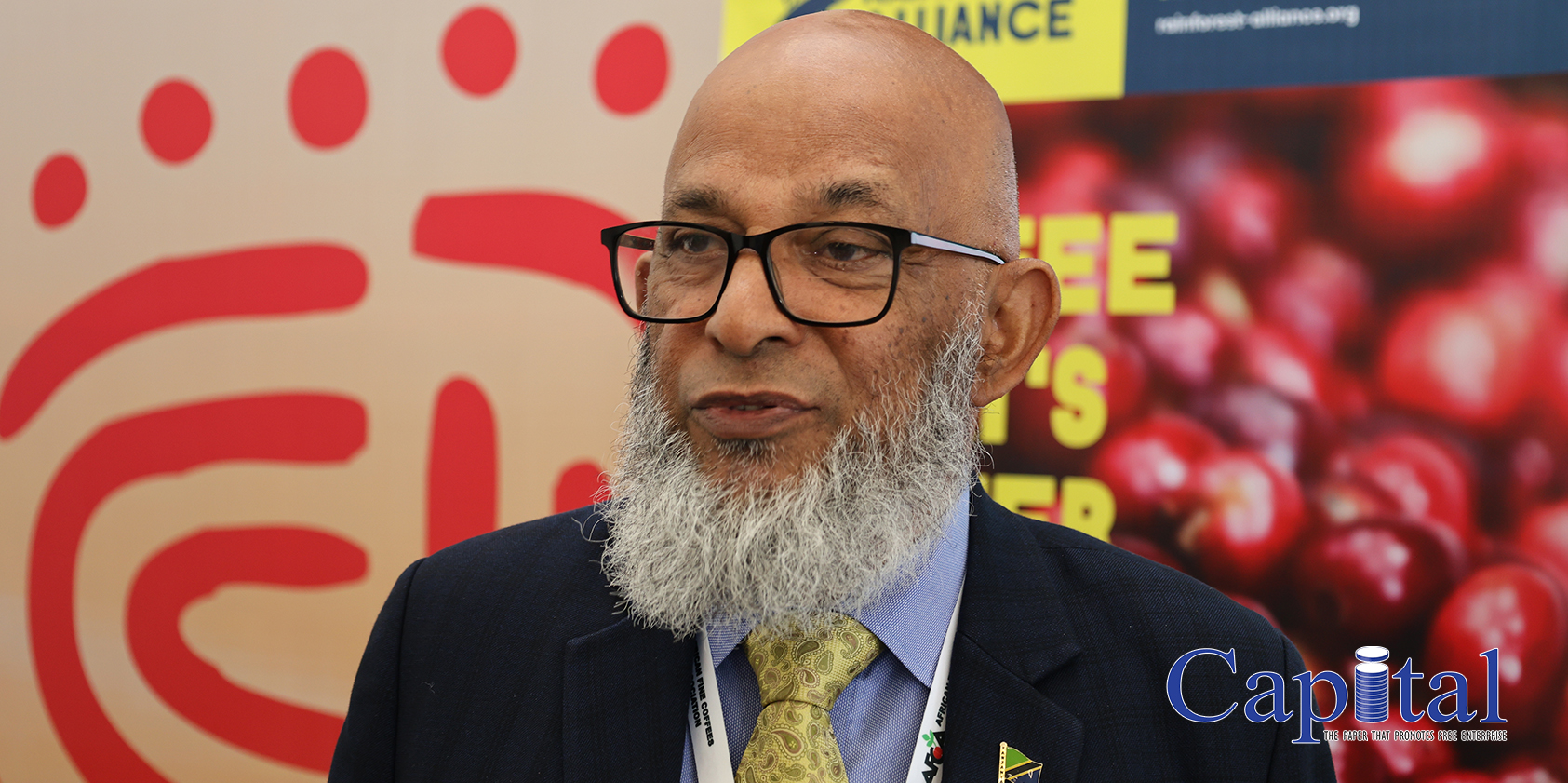
“As the birthplace of coffee, Africa bears a special responsibility,” Rutega said. “This standard equips our countries to meet global demands while protecting our farmers and ecosystems.”
Hannelore Beerlandt, Head of Operations at the International Coffee Organization (ICO) Secretariat, echoed the urgency of scaling solutions. She called for blending regenerative agriculture with technology to attract youth to the sector, mitigate farmers’ financial risks, and ensure long-term viability amid climate pressures.
Africa’s growing production share — led by Ethiopia, Uganda, and Tanzania — positions the continent as a “giant in the field,” yet persistent challenges undermine its economic gains. Most coffee leaves as unprocessed green beans, capturing minimal value while exposing farmers to volatile commodity prices.
Leaders at the forum renewed demands for investment in local roasting, branding, and specialty processing to retain more revenue domestically. The RAS and IACO standards aim to make African coffee not just compliant, but premium — appealing to eco-conscious global buyers willing to pay more for verified regenerative origins.
Ethiopia, as the world’s coffee birthplace and a top producer, stands at the forefront. The event underscored the need for coordinated action: government support for cooperatives, private sector innovation in traceability tech, and farmer training to adopt regenerative methods without sacrificing yields.
With EUDR deadlines looming and climate threats mounting, Africa’s coffee sector faces a pivotal moment. The Addis Ababa forum signals a unified strategy: leverage rising output for higher value, not just volume, ensuring sustainability strengthens — rather than stifles — the continent’s role as a global coffee powerhouse.