The Gambela Investment Commission has issued a strong critique of MIDROC Investment Group for its large-scale agricultural projects that have been stalled for the past decade, despite the group acquiring extensive land. The Commission has formally requested a clear plan for the future of these rice and cotton development initiatives, which were once projected to be the largest in East Africa.
Lou Obup, Commissioner of the Gambela Investment Commission, expressed concern about the lack of progress at the Saudi Star project in the Alwero and Abobo areas. Saudi Star, a subsidiary of MIDROC, began operations ten years ago with the goal of establishing Gambela as the regional hub for grains and crops.
The investment included the construction of a large dam capable of developing 10,000 hectares of land, a 35-kilometer canal system, and a unique rice threshing factory in East Africa. However, Lou noted that the project has been “diminishing and weakening,” stating, “These assets are currently non-functional. Your involvement in the region’s agricultural sector has dwindled. What is your plan to revive this investment?”
Jamal Ahmed, CEO of the Group, attributed the project’s setbacks to research gaps, natural conditions, and labor shortages. He acknowledged that the initial rice production study was a “flawed study” concerning the crop growth cycle in Gambela’s lowlands. Although MIDROC constructed a 35-kilometer irrigation canal, moisture levels fell just as the rice reached the critical “milking stage,” and unpredictable rainfall during harvest complicated crop collection.
Additionally, environmental and social factors presented significant challenges. “Migratory birds during the dry season were a major issue,” Jamal remarked. He also revealed a serious labor retention crisis in the region, explaining that due to an insufficient workforce, cotton fields remained unharvested.
Despite these challenges, MIDROC has no plans to abandon the region. Jamal Ahmed introduced a “re-engineered investment plan” aimed at addressing previous labor and climate issues. This plan includes importing small-scale harvesting technology from Vietnam, tailored to the moisture conditions of Gambela’s rice fields. To tackle the labor shortage that has left cotton to spoil, the group intends to fully mechanize operations at the Abobo farms, replacing manual labor with modern harvesters.
While the Commission invited MIDROC to explore opportunities in Gambela’s gold mining and hotel sectors, Jamal emphasized that their immediate focus remains on stabilizing existing agricultural operations.
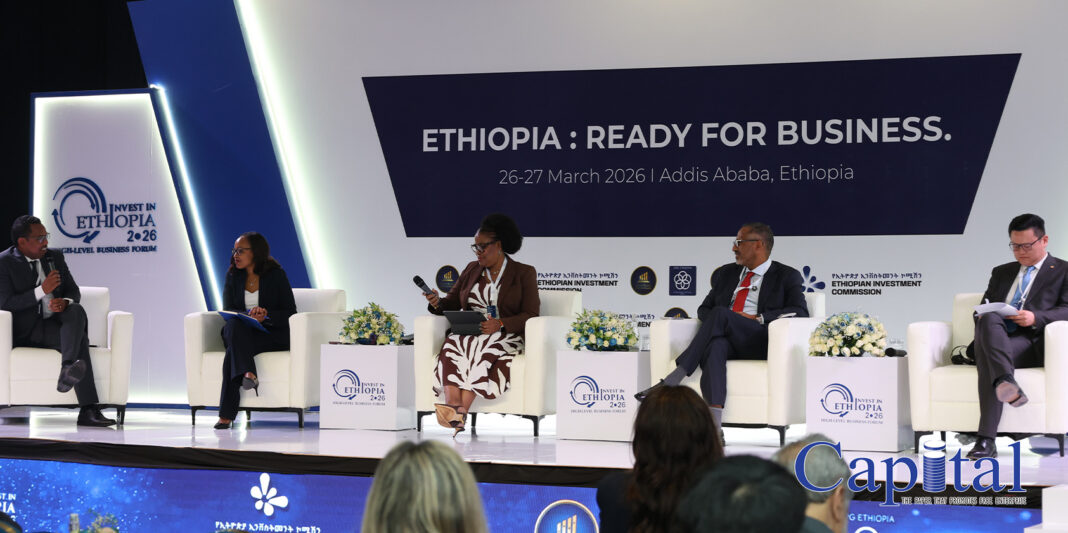
These discussions occurred during the 4th “Invest in Ethiopia” Forum, under the theme “Ethiopia is Ready for Investment.”
During the forum, Madalo Minofu, Country Manager for the International Finance Corporation (IFC), clarified that the institution’s investments are not confined to the capital. The IFC is working to establish “risk-sharing facilities” with local banks and microfinance institutions to ensure credit reaches agricultural and mining entrepreneurs throughout all regions.
This strategy aims to address the financing challenges faced by economic actors in rural and remote areas. However, investors at the forum highlighted that overcoming infrastructure deficits is fraught with challenges.
Concerns were raised about “bitter truths,” including the high logistics costs associated with Ethiopia being a landlocked country, a shortage of specialized skills in modern construction and pharmaceutical manufacturing, and an urgent need for transparent and predictable policy consistency.
To address these various concerns, the IFC and its sister organization, the Multilateral Investment Guarantee Agency (MIGA), are providing guarantee coverage to protect foreign capital from non-commercial risks. This initiative is designed to safeguard investors entering the Ethiopian market for the first time.