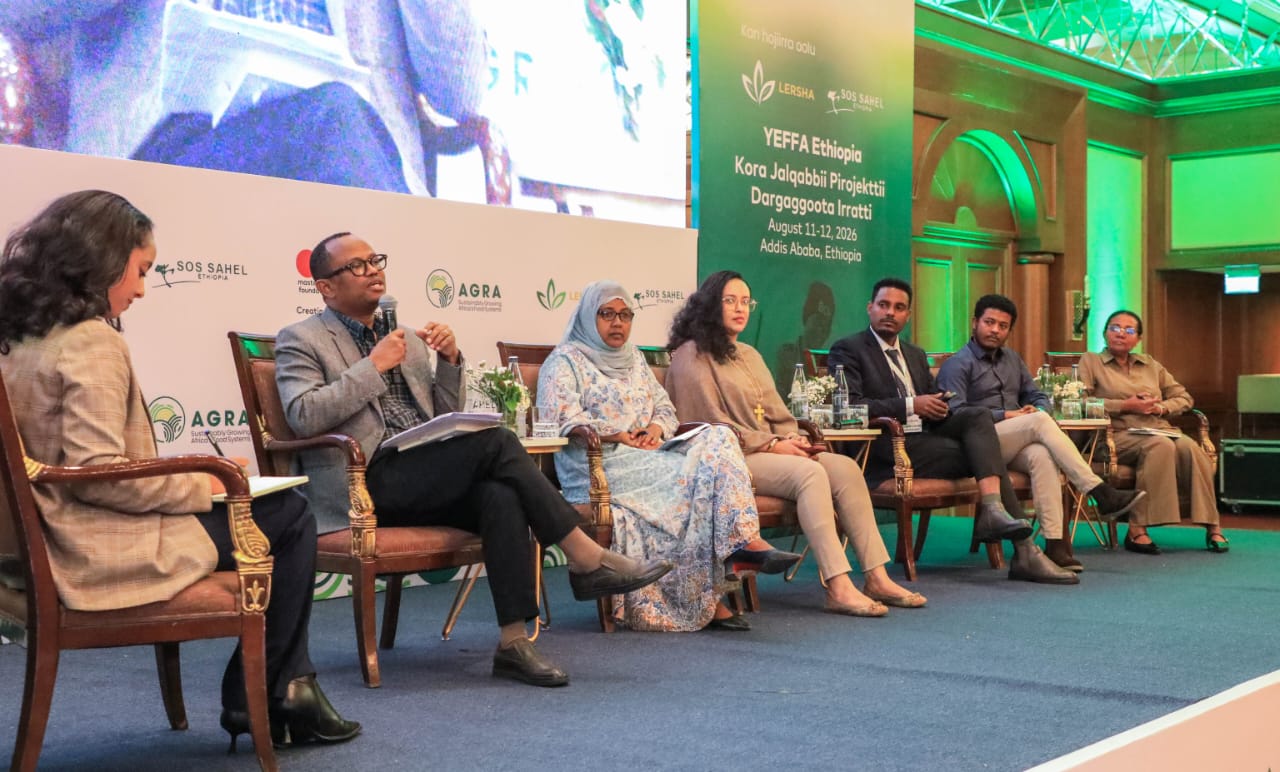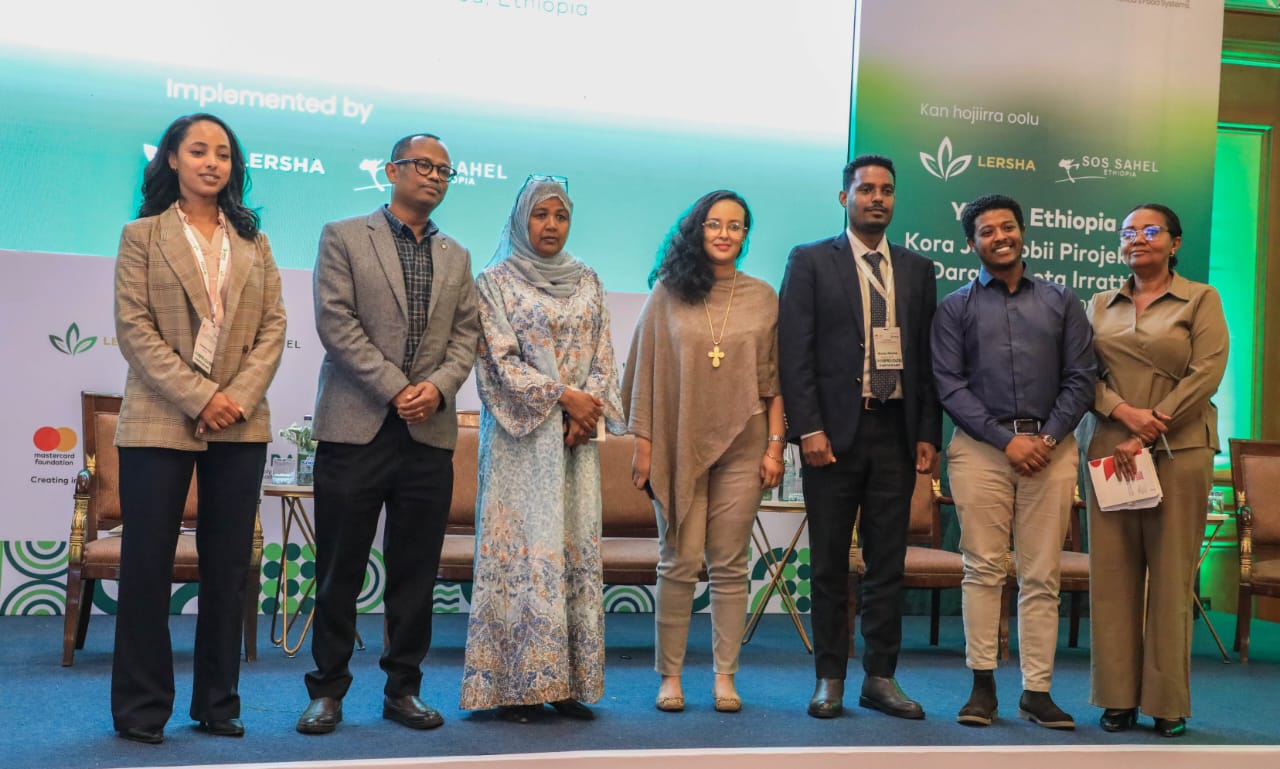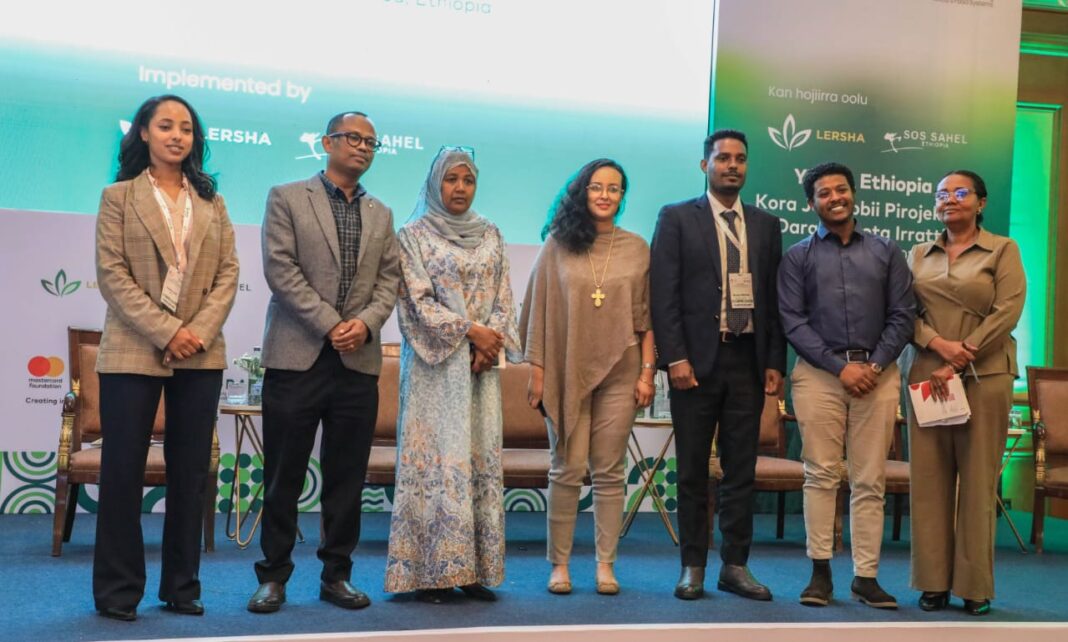
AGRA Ethiopia and the Mastercard Foundation have launched a youth entrepreneurship programme aimed at expanding employment, skills, finance and market access in Ethiopia’s agriculture sector.
The Youth Entrepreneurship for the Future of Food and Agriculture Ethiopia programme, known as YEFFA Ethiopia, will focus on wheat and horticulture value chains in selected districts of Oromia Region. The initiative is part of a wider Pan-African partnership between AGRA and the Mastercard Foundation designed to create dignified work opportunities for young people in agrifood systems.
The programme was launched in Addis Ababa on Aug. 12 and will be implemented from March 2026 to March 2030 in 14 districts across North Shewa, East Shewa and West Shewa zones, as well as Sheger City Administration. AGRA, SOS Sahel Ethiopia and Green Agro-Solution Plc are among the implementing partners.
YEFFA Ethiopia aims to reach 80,000 economically disadvantaged young people, including 64,000 young women, through training, entrepreneurship support, market linkages, technology access and financial inclusion interventions.
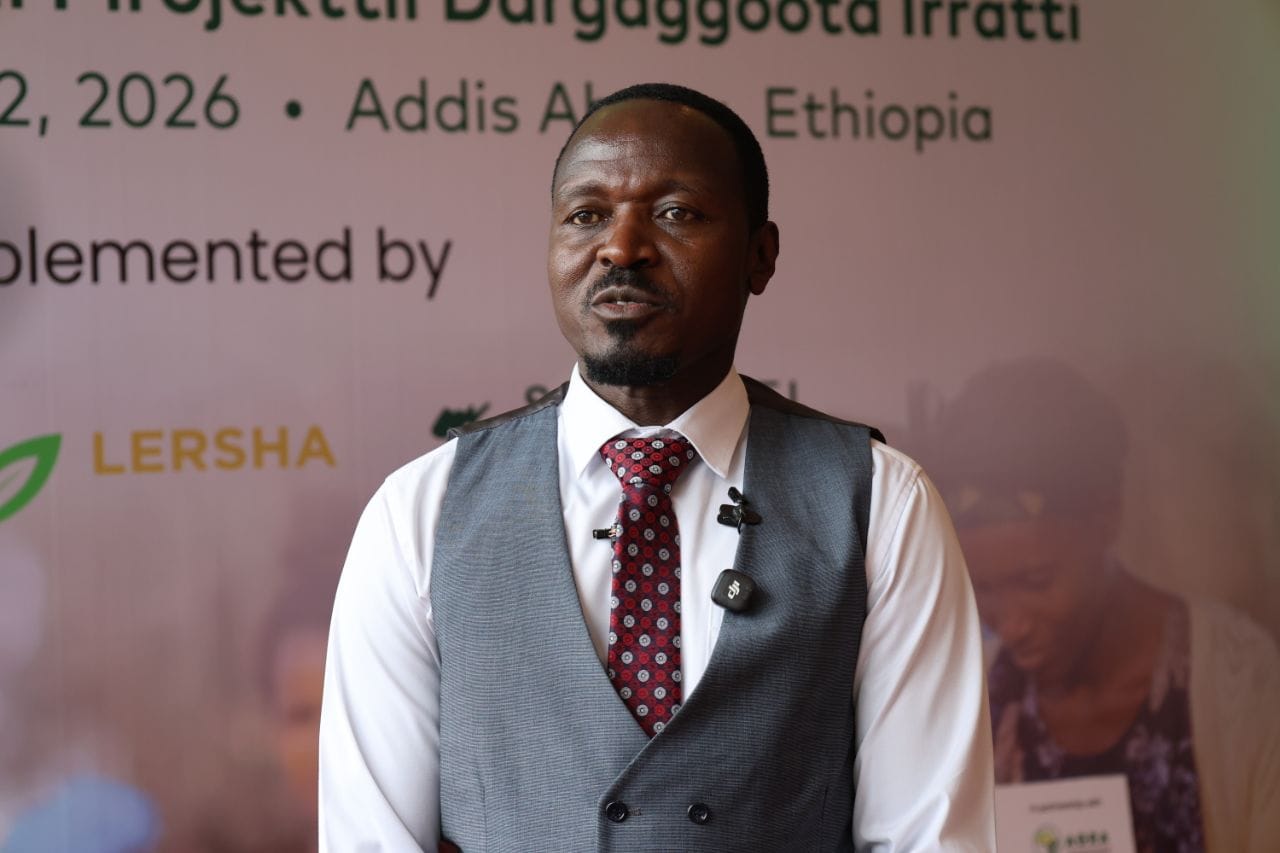
Yihenew Zewdie, Country Director of AGRA Ethiopia, said the programme was designed to address persistent barriers that limit young people’s participation in agriculture, including limited access to finance, technology, skills, markets and business-development services.
“Empowering youth in agriculture is not just about creating jobs; it is about building a sustainable future for Ethiopia,” Yihenew said at the launch.
He said horticulture, in particular, could make a significant contribution to agricultural transformation if it received stronger investment and policy support.
Agriculture remains a major source of employment and income in Ethiopia, but young people seeking to establish agribusinesses often face high input costs, limited land access, weak market connections, climate-related shocks and restrictive credit conditions.
The YEFFA programme will prioritise the modernisation of wheat production and marketing, while also seeking to expand youth employment in fruit and vegetable value chains. Its implementation is expected to support young people working as producers, aggregators, service providers, traders, processors and other agribusiness entrepreneurs.
The initiative comes as Ethiopia works to raise agricultural productivity, improve food security and reduce import dependence. Wheat production has been a policy priority, while horticulture has been identified as a potential source of employment, export earnings and value addition.
The programme also places emphasis on the inclusion of young women, persons with disabilities, refugees, internally displaced people and returnees. Under the wider Young Africa Works strategy, the Mastercard Foundation aims for 70 percent of employment opportunities to benefit young women.
Mefthe Tadesse, Mastercard Foundation Ethiopia Country Director, said young people must be central to Africa’s development agenda.
“At the Foundation, young people are at the centre of everything we do,” he said. “We believe that Africa’s future will be shaped by the aspirations, ideas and leadership of its young people.”
Since the launch of its Young Africa Works strategy in Ethiopia in 2019, the Mastercard Foundation says it has enabled 1.27 million young people to access employment opportunities, with young women accounting for 49 percent of beneficiaries. The Foundation had committed USD 664 million through 38 partnerships in Ethiopia, according to its 2024 update.
The wider YEFFA partnership between AGRA and the Mastercard Foundation is a USD 350 million, five-year programme running from September 2023 to August 2028. Across Africa, it seeks to reach 10 million unemployed and underemployed young people and support 1.5 million into dignified and fulfilling work.
For Ethiopia, the key challenge will be translating the programme’s targets into sustainable businesses and employment in rural areas. That will require coordinated action from government, financial institutions, private companies and development partners to improve access to land, credit, agricultural inputs, training, technology and reliable markets.