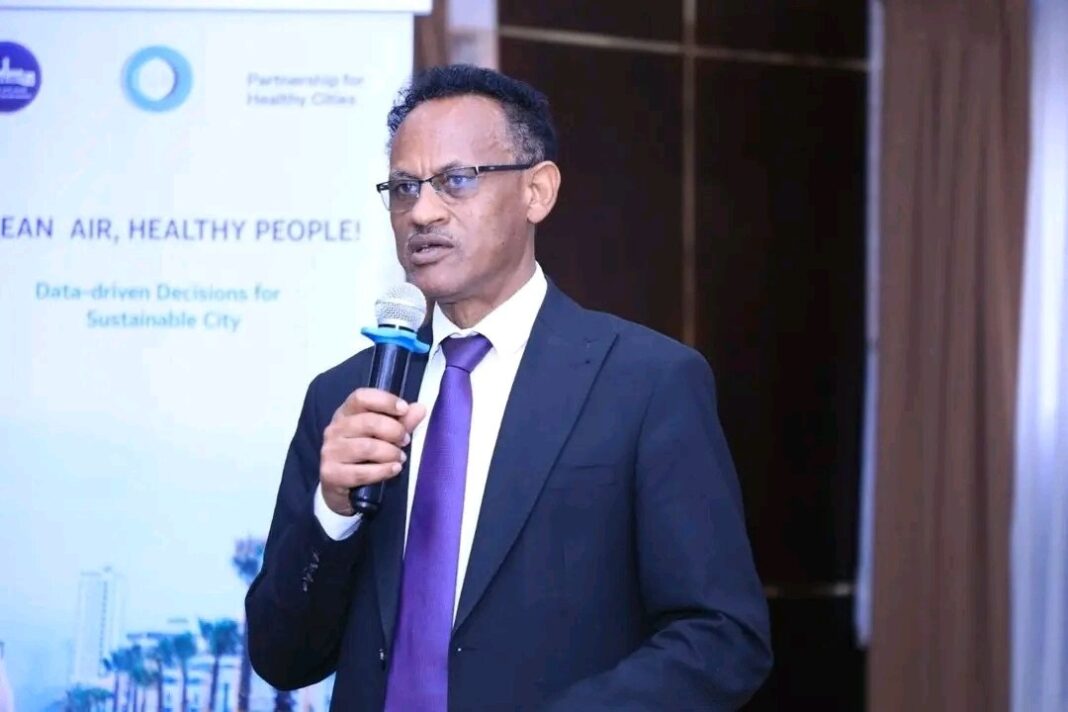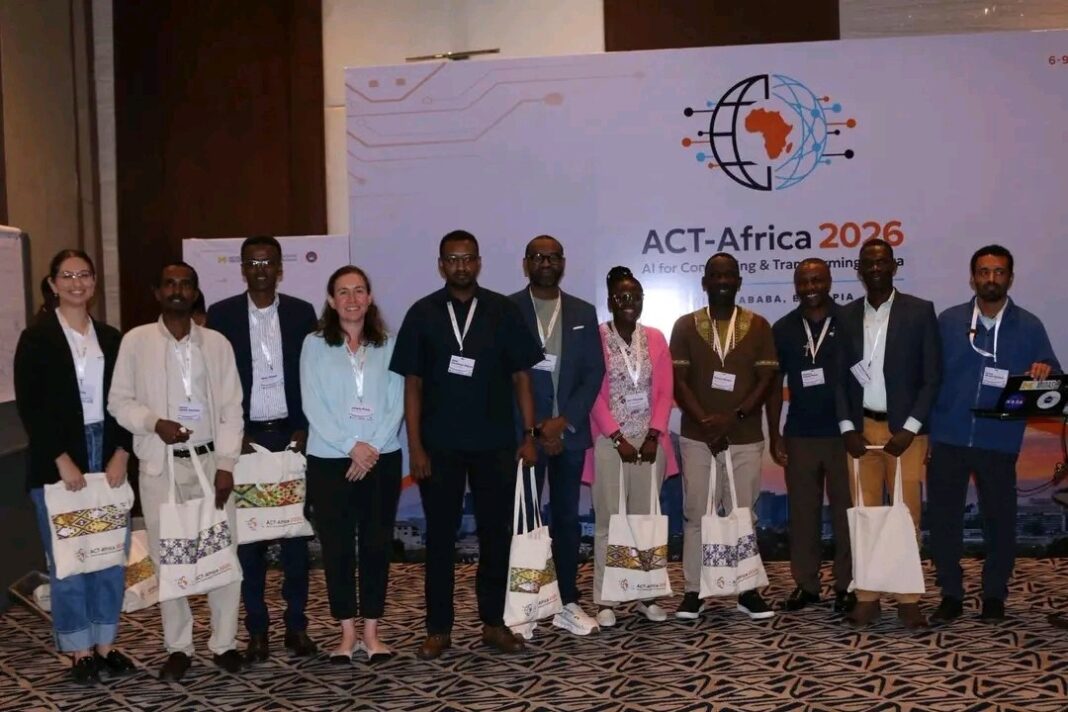
Researchers and leaders across Africa have been urged to move beyond passive adoption of foreign artificial intelligence (AI) technologies and build sovereign foundation models tailored to the continent’s contextual realities, languages, and developmental priorities.
The call came following the conclusion of the ACT-Africa workshop in Addis Ababa, which ran under the theme “Foundation Model Solutions for African Societal Challenges.”
Jointly organized by the Michigan Institute for Data and AI in Society (MIDAS) at the University of Michigan and Addis Ababa University, with funding from Schmidt Sciences, the multidisciplinary platform convened researchers, data scientists, and policy architects from Ethiopia, Uganda, Kenya, and international partner institutions.
Yonas Minalu (phd) and Dessalegn Wageso (phd), researchers at Addis Ababa University’s College of Technology and Built Environment and co-organizers of the event, emphasized that the platform is engineered to foster cross-border knowledge transfer and synergistic ecosystems.
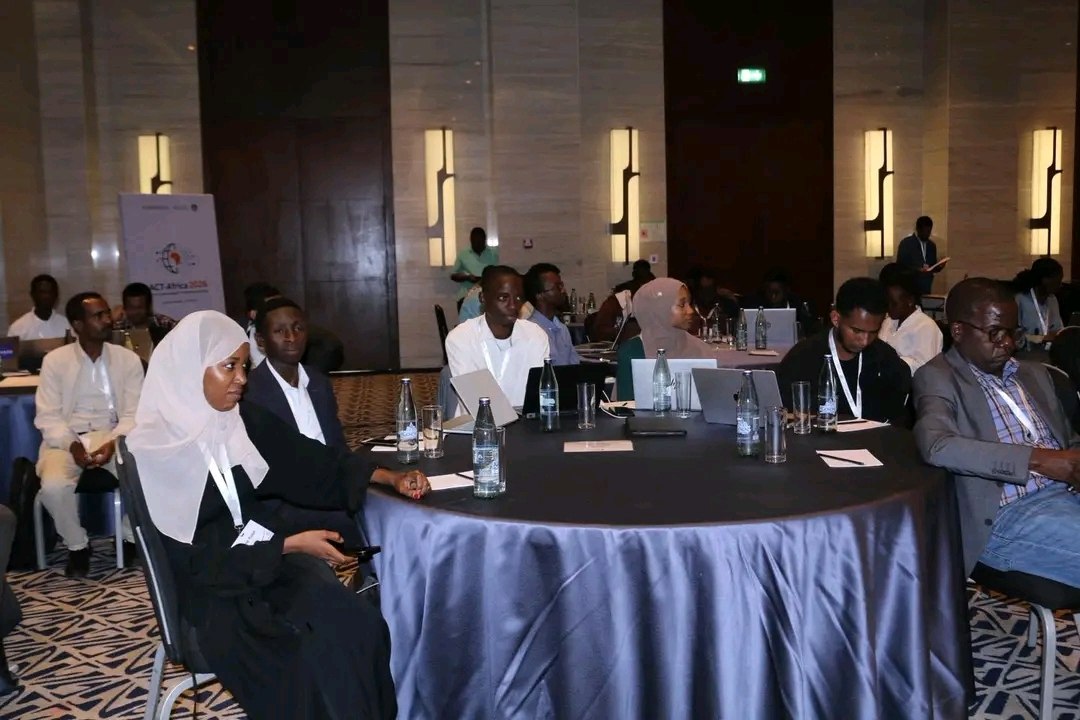
“The initiative is designed to anchor multi-institutional AI research networks, bridge capability gaps, and build resilient domestic ecosystems capable of weathering systemic technological dependency,” said Minalu.
Transitioning participants from foundational theory to empirical deployment, the technical track focused on responsible AI frameworks and core model mechanics.
Joan Otieno Nyango of Jomo Kenyatta University of Agriculture and Technology told Capital that continental readiness remains unevenly distributed, identifying the primary bottleneck not as a deficit of raw talent, but as an execution gap regarding how and why organizations deploy customized AI systems.
Speakers underscored that while localized AI innovations span the tech corridor from Nairobi to Addis Ababa, fragmentation continues to constrain collective impact.