The indefinite suspension of The Reporter is not merely a dispute between a regulator and a newspaper. It is a warning to every newsroom in Ethiopia: the space to investigate, question and publish can disappear through an administrative decision. Whatever the authorities’ stated intentions, the effect is to make fear an editor’s constant companion.
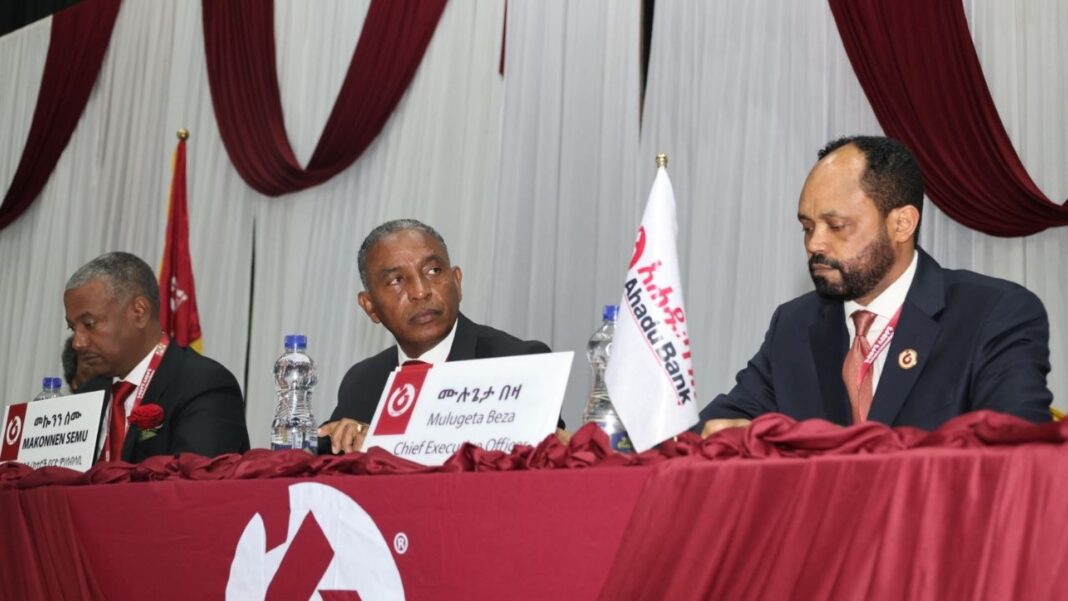
On November 2, the Ethiopian Media Authority suspended the registration certificate of Media and Communication Center PLC, publisher of The Reporter’s Amharic and English editions and digital platforms. The regulator accused the organisation of publishing distorted, unbalanced and unconfirmed information that undermined national interests and harmed foreign investment, tourism and diplomacy. According to the Committee to Protect Journalists, the authority’s statement identified no specific report substantiating those allegations.
These are serious accusations. They demand evidence, not automatic acceptance. A government cannot reasonably expect the public to judge a newspaper’s conduct when the allegedly offending journalism is not clearly identified. Nor should a regulator make an entire publication’s survival dependent on broadly worded demands for compliance, without a definite endpoint.
The authority says it monitored the outlet for more than a year, held discussions with its leadership and issued a final warning. That account belongs in the public record. But prior warnings do not, by themselves, establish that an indefinite shutdown is necessary or proportionate. The central question remains: why must readers lose access to an entire news organisation?
Journalists are not above scrutiny. Newspapers make mistakes, publish incomplete accounts and sometimes fail their own standards. They should correct factual errors promptly, distinguish reporting from opinion and give those criticised a meaningful opportunity to respond.
But accountability should improve journalism, not extinguish it. Authorities who dispute a report can identify the contested facts, release supporting documents and demand a correction or reply. Where a specific legal violation is alleged, the evidence should face an independent process. Closing the institution punishes readers, employees and legitimate reporting alongside whatever material is disputed.
The appeal to “national interests” is particularly troubling. Whose definition governs? Reporting on corruption, insecurity or policy failure may embarrass officials, but embarrassment is not proof of harm to the nation. National interests cannot simply mean the interests of those currently exercising power.
The investment argument is equally unconvincing. Concealing uncomfortable information does not eliminate the underlying problem. Investors need reliable information about institutions, contracts, risks and policy. A country demonstrates confidence by answering difficult questions, not by removing the people asking them.
It would be historically inaccurate to call the suppression of publications unheard of in Ethiopia. In 2014, CPJ documented charges against six independent publications amid mounting pressure on the press, including the cessation of publication by Addis Guday. Ethiopia’s history supplies reasons to reject another closure, not grounds to pretend earlier ones never occurred.
Tanzania offers a further warning. Mawio was suspended in 2017 after reporting on two former presidents’ alleged links to mining misconduct. Its nominal two-year suspension stretched towards five years, despite a court finding the ban illegal and irrational. Authorities restored its licence in February 2022, alongside those of Mseto, MwanaHALISI and Tanzania Daima.
Restoring permission to publish did not restore everything lost. Mawio’s publisher described the need to rebuild financing and operations after years away from the market. That is the concealed violence of a publication ban: even when the order ends, the damage continues. Readers drift away, staff leave and institutional knowledge disappears.
Ethiopia should learn from that experience rather than repeat it. An “indefinite suspension” may sound less final than a ban, but a newspaper denied the ability to publish has no functioning press freedom.
The damage reaches beyond The Reporter. Every editor must now consider whether investigating a sensitive subject might threaten the publication itself. Every reporter must weigh public importance against colleagues’ livelihoods. Every source must wonder whether speaking will expose a newsroom to punishment.
We cannot establish officials’ private intentions from the suspension alone. We can, however, recognise the foreseeable result: self-censorship. Stories disappear before readers know they existed. Questions remain unasked. Silence begins to look like professional prudence.
Media solidarity therefore cannot depend on agreement with The Reporter’s editorial positions. Defending another publication’s right to exist is not endorsing every sentence it prints. It is defending the principle that disagreement must not become a licence to silence.
The authorities should lift the suspension, publish the specific allegations and pursue any legitimate complaint through a transparent, independent and proportionate process. Editors, publishers and journalists should insist on those safeguards together.
Today, The Reporter bears the consequences. Tomorrow, it could be any of us. Silence is not a solution to flawed journalism. Better journalism, public evidence and accountable institutions are.