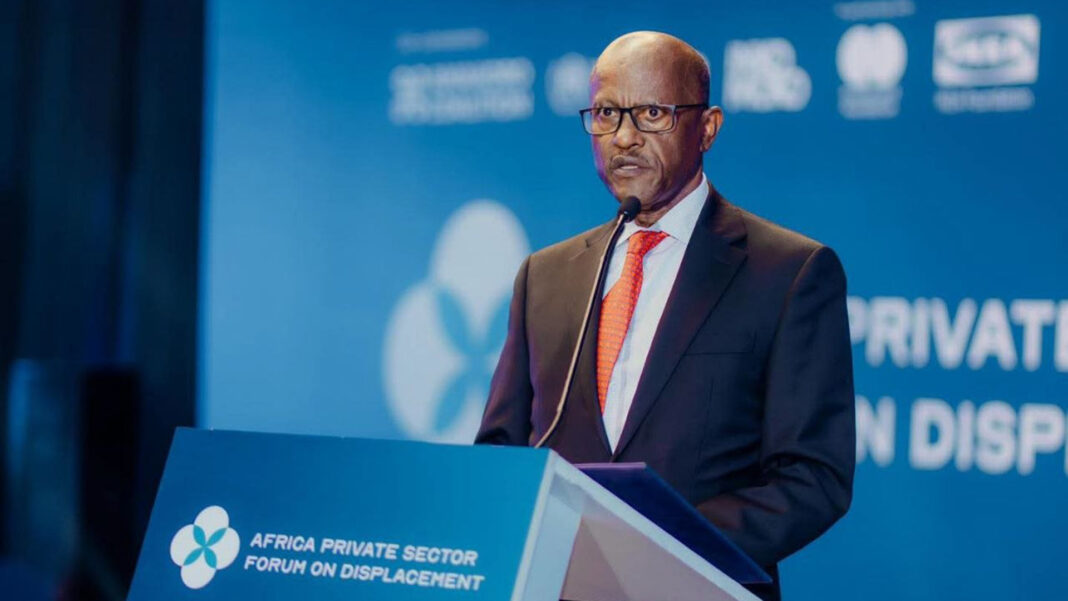
Ethiopia has called on African governments, businesses and financial institutions to expand investment and economic opportunities for refugees, arguing that sustainable solutions to displacement require moving beyond humanitarian assistance towards economic inclusion.
Opening the fourth Africa Forum on Displacement (AFD 2026) in Addis Ababa on November 17, the State Minister for Political and Economic Diplomacy at the Ministry of Foreign Affairs Hadera Abera, said refugees should be recognized not only as people in need of humanitarian support but also as potential contributors to host communities and national economies.
Held under the theme “The Next Act: Creating a More Inclusive Economic Ecosystem,” the two-day forum brought together government officials, private sector representatives, financial institutions, development partners and refugee-led organizations to discuss ways of expanding economic opportunities for displaced people.
The state minister said Ethiopia’s Refugees Proclamation No. 1110/2019 had established a progressive legal framework that expands refugees’ access to employment, education, freedom of movement and other socioeconomic opportunities.
He said the government had also introduced initiatives to facilitate work permits, business registration, licensing, access to national services and identification systems, while integrating refugee priorities into national and local development plans.
However, he stressed that policy reforms must translate into tangible opportunities, including decent jobs, viable businesses, access to finance, relevant skills and meaningful participation in markets. “The private sector is not merely another stakeholder. In addressing displacement, it is a central driver of sustainable economic inclusion,” he said, calling for businesses and investors to move beyond corporate social responsibility initiatives towards commercially viable and mutually beneficial partnerships.
He identified limited access to finance, regulatory barriers, skills mismatches, inadequate market information and perceptions of investment risk as major chalenges to refugee economic participation.
The state minister outlined five priorities for advancing economic inclusion: translating policy reforms into economic opportunities, mobilizing private capital through innovative financing, strengthening entrepreneurship and market linkages, investing in skills and human capital, and promoting inclusive local economic development.
He also called for greater investment in infrastructure, energy, agriculture, education, connectivity and financial services to create opportunities for both refugees and host communities.
Ethiopia hosts more than 1.1 million refugees, making it one of the largest refugee-hosting countries in Africa, while also facing significant internal displacement challenges.
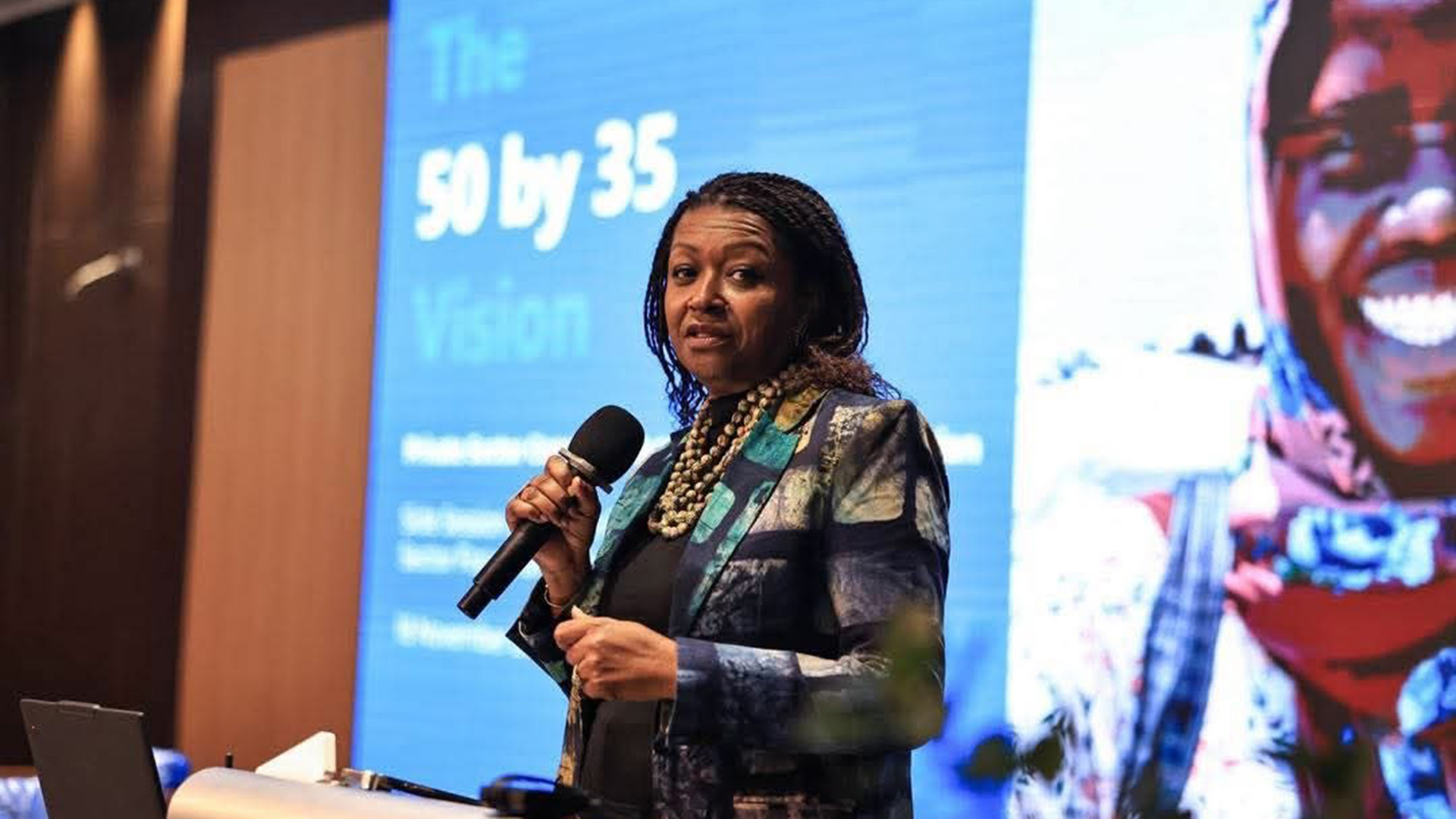
In her opening remarks, UNHCR’s representative in Ethiopia, Aissatou M. Ndiaye, said the country had increasingly moved beyond hosting refugees towards including them in national systems, local communities and economic activities.
She cited the experience of Kebribeyah, where refugee settlements are being integrated into the town’s development plans, with housing, refugee-owned businesses, access to banking services and digital skills opportunities.
She said refugees were already operating businesses, attending schools, employing people and contributing to local supply chains, but needed the same essential support as other entrepreneurs, including capital, customers, recognized documentation and enabling regulations.
Aissatou said the forum should produce practical commitments with clear responsibilities, targets, timelines and mechanisms for measuring progress, rather than broad promises that cannot be implemented.“We would rather leave with ten commitments that hold than a hundred that do not,” she said.