The Future African Space Explorers STEM Academy (FASESA) and Boeing [NYSE: BA] celebrated the graduation of 2,626 students from the third annual ‘Pathways to Space’ program. Spanning Ethiopia, Kenya, Nigeria, and for the first time South Africa, this initiative continues to cultivate the next generation of aerospace leaders across the continent.
“Seeing Ethiopian students master the intricate balance between pressurization, thermal control, radiation reduction and human ergonomics during the Space Suit Design Challenge filled me with absolute confidence in the future of African space science”, said Dr. Bethelhem Nigussie, Deputy Director General of the Space Science and Geospatial Institute of Ethiopia (SSGI). “As the leading institution driving space mobilization in Ethiopia, SSGI is deeply committed to expanding our strategic alliance with FASESA and Boeing in the future. Together, we are not just teaching aerospace engineering; we are building the foundational infrastructure for Africa’s next generation of astronauts, satellite engineers, and space innovators”.
A magnitude 4.6 earthquake was reported near Awash in Ethiopia’s Afar Region on Sunday evening, August 9, according to VolcanoDiscovery.
The earthquake occurred at approximately 8:11 p.m. local time, with the epicentre located about 23 kilometres from Awash, the monitoring service reported. Other earthquake-monitoring sources placed the event near Metahara, approximately 19 to 22 kilometres from Awash.
The United States Geological Survey recorded the earthquake at 17:11:42 UTC, corresponding to 8:11 p.m. in Ethiopia.
The tremor occurred in the Awash-Metahara area, part of the seismically active Ethiopian Rift Valley. The region has experienced periodic earthquakes and tremors in recent years.
The available reports did not immediately provide details on casualties or structural damage from Sunday’s event. Authorities and residents are expected to continue monitoring the area for possible aftershocks.
Earthquakes of this magnitude may be felt by people near the epicentre, particularly when they occur at shallow depth, although the level of shaking and potential impact can vary depending on distance, ground conditions and the quality of buildings.
The Awash area has previously experienced stronger seismic activity. In March 2025, the USGS recorded a magnitude 5.4 earthquake about 44 kilometres north-northwest of Awash.
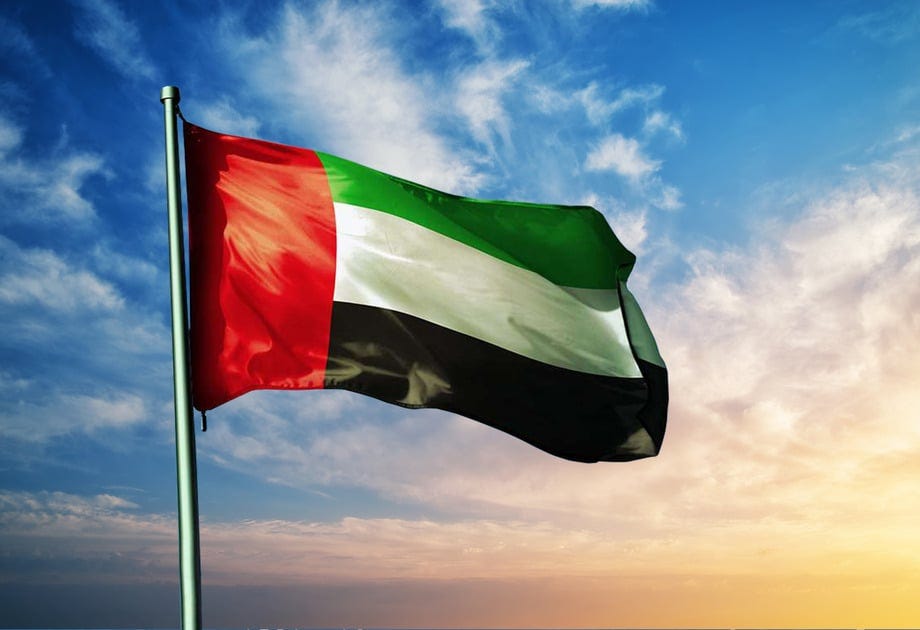
The geopolitical and economic architecture of the twenty-first century is being reconfigured toward South-South partnerships built on mutual prosperity. At the centre of that shift is the expanding relationship between the United Arab Emirates and the African continent — one that has moved well beyond historical trade routes and commodity exchange into capital deployment, logistical integration and next-generation innovation.
Speaking to Capital in an exclusive interview, HE Dr. Thani bin Ahmed Al Zeyoudi, UAE Minister of Foreign Trade, put the trajectory plainly: “The state of UAE-Africa relations is the strongest it has ever been. Ethiopia is a powerful illustration: bilateral non-oil trade surged threefold to US$6.2 billion in 2025.”
For Ethiopia, that figure sits alongside a wider set of commitments in capital, connectivity, energy and skills, the four areas where the partnership is now being tested.
Capital and commercial frameworks
Between 2012 and 2022, Foreign Direct Investment from Gulf Cooperation Council states into Africa totaled $101.9 billion across 628 projects, with the UAE capturing the lion’s share. Between 2020 and 2024, UAE investment commitments surged past historical averages, establishing the Emirates among the continent’s premier economic partners.
That capital is anchored by institutional frameworks designed to facilitate commerce, including Comprehensive Economic Partnership Agreements forged with key nations across Africa to streamline market access and deepen commercial integration. For Ethiopia, which maintains a multifaceted and rapidly deepening relationship with the UAE, these mechanisms have translated into economic momentum.
Connectivity and trade corridors
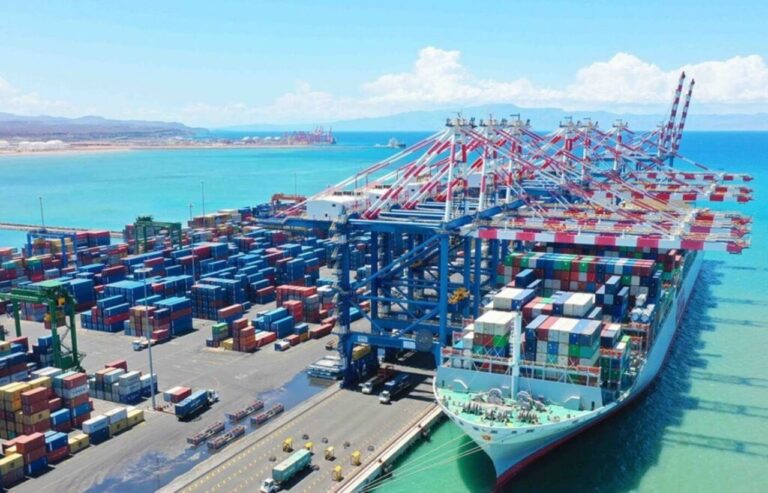
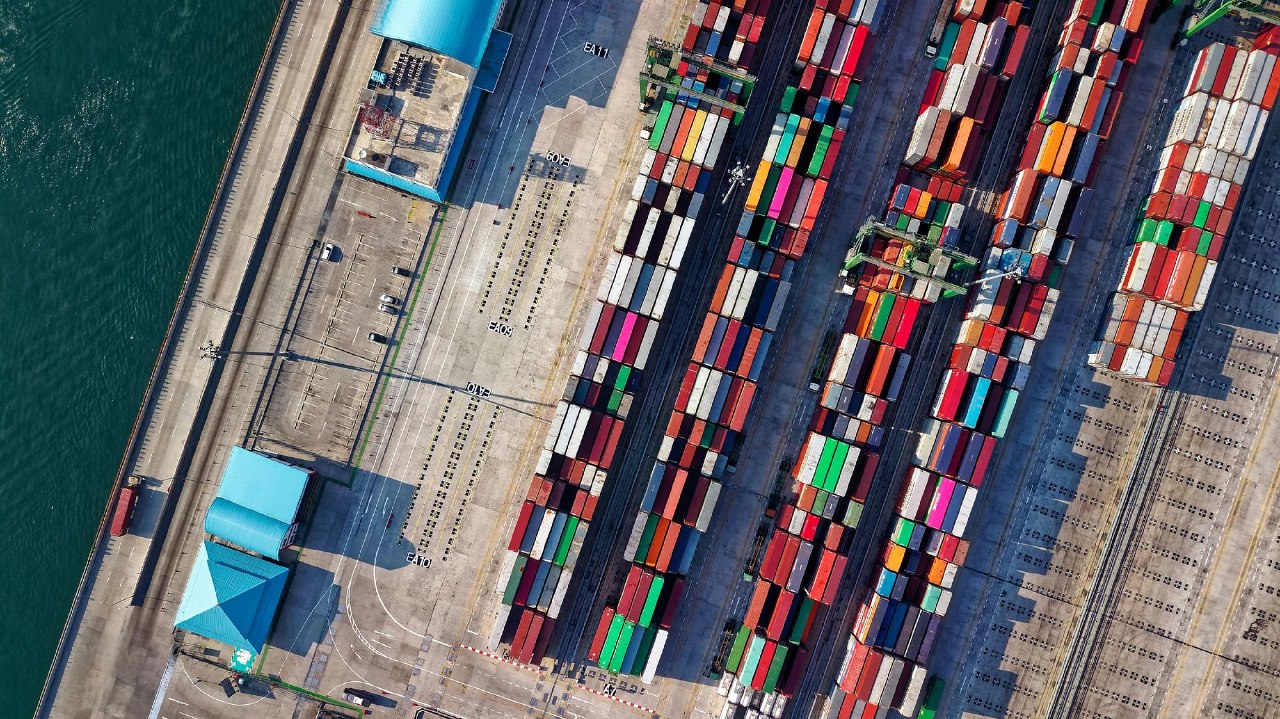
Economic potential relies on physical connectivity, and infrastructure remains a key pillar of Africa’s participation in global value chains. Emirati state-linked logistics groups, specifically DP World and AD Ports Group — have led modernization projects across maritime and overland corridors, operating multiple strategic ports across the continent.
Supply chain security is central to keeping those corridors open. Dr. Thani described the approach: “The UAE has invested in a distributed logistics model: multiple ports, multiple modes, and multiple corridors, ensuring no single chokepoint can significantly disrupt connectivity.”
For landlocked economies such as Ethiopia, expanded corridors and diversified routes reduce transit costs, improve export competitiveness and strengthen regional integration.
Energy and green industrialisation
Africa possesses roughly 60% of the world’s premier solar potential, alongside substantial wind, hydro and geothermal reserves. The UAE is bridging generation capacity gaps through clean energy operators including Masdar and AMEA Power, backed by the $10 billion Masdar clean energy deployment program and the $4.5 billion Africa Green Investment Initiative.
In Ethiopia, that is already materializing through AMEA Power’s wind project in the Somali region. Beyond supplying power, these projects lay the groundwork for green industrialisation, enabling African economies to process their own resources rather than export them raw.
Skills and digital capability
Sustained growth requires investment in minds as much as in infrastructure. With artificial intelligence and digital transformation set to shape future competitiveness, the UAE and its African partners are aligning around a knowledge-based model. Africa accounts for a growing share of global innovation investment, and digital innovation could contribute significantly to the continent’s economy over the decade.
In Ethiopia, where the vast majority of the population is under 25, this is a demographic question as much as an economic one. Programs focused on digital skills offer a scalable route to equipping that generation with advanced technological capability.
A partnership built to last
The relationship has matured into a multi-dimensional strategic axis. Combining capital, technology and logistics with Africa’s demography, resources and reform-driven economies, the UAE and African nations are building a cooperative model for the long term. For Ethiopia and the wider continent, anchoring that cooperation in economic transformation, energy security and digital innovation offers a pragmatic pathway to shared prosperity.
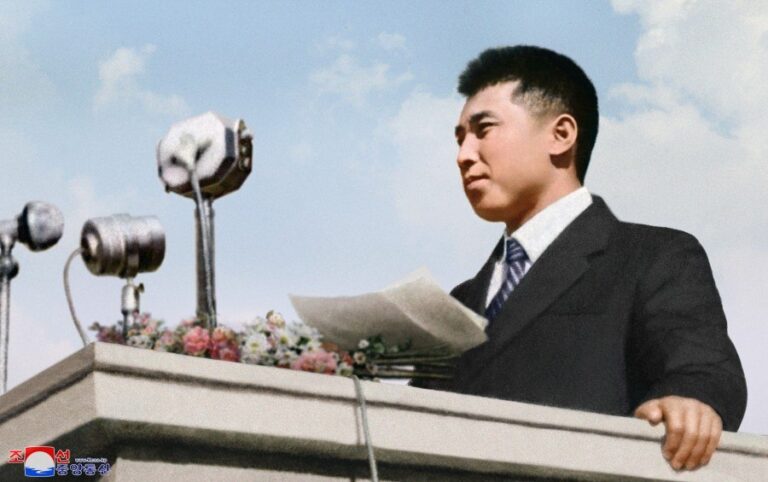
In the early 1930s, an anti-Japanese armed resistance led by the great leader Comrade Kim Il Sung (April 15, 1912-July 8, 1994) was sweeping the northern part of the Korean peninsula and the vast swathes of Northeast China centring on the Mt Paektu area.
When the Korean People’s Revolutionary Army was formed by him on April 25, 1932 to liberate Korea from Japan’s military occupation, it was only some 100 strong. It could not get state backing or support from a regular army. But the KPRA grew stronger throughout its ten-odd-year struggle that culminated in Korea’s liberation.
Many wonder what created this miracle.
It is said that Kim Il Sung already put forward a plan to wage a decisive battle against the Japanese occupiers through an all-people uprising combined with the general offensive of the KPRA. Accordingly, the Association for the Restoration of the Fatherland was formed and spread across the country, uniting all people opposed to Japan’s military rule, irrespective of ideology, political view, religious belief and property. Small units and groups of the KPRA formed production guerrillas, workers’ shock brigades and other paramilitary organizations, as well as secret bases in the mountainous areas throughout the country, expanding and developing them.
According to Japanese documents, more than 180 anti-Japanese underground organizations were found out in Korea in 1942. After all, if the unfound organizations were added, the number would be countless. This means that Kim Il Sung must have mobilized tens of millions of fellow countrymen against the Japanese aggressors.
Japanese documents said that four divisions composed exclusively of Koreans were preparing for landing and parachuting operations in the Maritime Province of the Soviet Union and the Korean border areas and 100 000-strong Korean troops were poised for a decisive battle against the Kwantung Army of Japan; young Korean people, who had evaded conscription and drafting, formed armed groups and built bases in deep forests in a bid to join the advance of the KPRA.
In fact, when Kim Il Sung issued an order of final offensive operations to liberate Korea, all-people resistance organizations in the homeland rose up in keeping with the general offensive of the KPRA and destroyed enemy ruling organs in their regions. According to data available, such resistance organizations and armed units at home, let alone North and South Hamgyong provinces, raided nearly one thousand enemy ruling organs in a week alone in mid-August 1945.