Wednesday, November 18, 2026
Home Blog Page 1282

Currency Devaluation and The Poor: An Empirical Analysis

0

Currency devaluation involves reducing the value of a country’s currency relative to other currencies. While it can help boost exports and reduce trade deficits, its effects on different income groups, particularly the poor, are complex and multifaceted. This article investigates how devaluation impacts impoverished populations, focusing on the interplay between macroeconomic changes and individual economic conditions.

Currency devaluation lowers the exchange rate, making exports cheaper and imports more expensive. This can stimulate domestic production and reduce trade deficits. However, the theoretical benefits of devaluation come with potential downsides, particularly for low-income individuals who may face increased living costs without corresponding income growth.

Richard Cooper of Princeton University stated that there are several primary mechanisms through which devaluation affects the poor. Devaluation often leads to higher prices for imported goods, contributing to overall inflation. Since the poor spend a larger proportion of their income on necessities, they are disproportionately affected.

A weaker currency erodes the purchasing power of individuals, making it more challenging for low-income households to afford basic goods and services. According to Richard Cooper while devaluation can create jobs in export-oriented industries, it can also lead to job losses in sectors reliant on imports. Reduced government revenues and increased costs can impact public services, disproportionately affecting those who rely on them.

E.R. Yescombe, in his book titled “Principles of Project Finance enumerates a number of empirical evidences can explain well the impact of Currency Devaluation on the poor. During Argentina’s economic crisis in 2001-2002, the government devalued the peso, leading to a sharp increase in inflation and a rise in poverty rates. Data indicate that the poorest households experienced severe declines in real income and faced challenges accessing essential services.

Zimbabwe’s hyperinflation period of 2007-2008, marked by significant currency devaluation, resulted in extreme price volatility. The poor faced unprecedented shortages of basic goods and services, exacerbating their economic hardship.

In Turkey, recent currency devaluation contributed to higher inflation and reduced real wages. Low-income families, who spend a large share of their income on essentials, were particularly hard-hit, facing reduced living standards and increased financial stress.

Here the crucial question which needs to be thoroughly analyzed is “what are possible policy responses and mitigation strategies to address the impact?” There are several options in which Social Safety Nets is one.

Strengthening social safety nets can help cushion the impact of devaluation on the poor. Targeted cash transfers, food subsidies, and inflation-adjusted welfare payments can provide crucial support during periods of economic instability.

Inflation control is another mechanism. Implementing measures to control inflation, such as monetary policy adjustments and price controls on essential goods, can mitigate the adverse effects of devaluation on low-income households.

Employment and Skill Development is one option to address the problem. Investing in employment programs and skill development initiatives can help low-income individuals adapt to changing economic conditions and benefit from new job opportunities created by devaluation.

Sustainable provision of Public Services is also one of the mechanisms. Maintaining and improving access to essential public services, including healthcare and education, can help reduce the burden on the poor during economic downturns.

To conclude,Currency devaluation, while offering potential macroeconomic benefits, can have significant adverse effects on impoverished populations. The increased cost of living, reduced purchasing power, and potential disruptions in public services can exacerbate poverty and inequality. Policymakers must consider these impacts when implementing devaluation and develop comprehensive strategies to protect vulnerable groups. Effective social safety nets, inflation control measures, and investments in public services and employment can help mitigate the negative effects and promote more equitable economic outcomes.

Name: Elias Gebrselassie

0

2. Education: BSc

3. Company name: Primis Building Finishing Work PLC

4. Title: Manager

5. Founded in: 2018

6. What it does: Construction Finishing

7. Head quarters: Abtam Tower, Lebu

8. Start-up capital: 30,000 birr

9. Current capital: 1,000,000 birr

10. Number of employees: 7

11. Reason for starting the business: Profitability

12. Biggest perk of ownership: Financial freedom

13. Biggest strength: Being committed for what I stand for

14.  Biggest challenge: Clients not obeying payment terms

15.  Plan: Expanding the company to a grade 4 construction company

16.  First career path: Teacher

17.  Most interested in meeting: Liqe Liqawint Ezra Hadis

18. Most admired person: Birhanu Admas

19. Stress reducer: Praying

20. Favorite book: The Holy Bible

21. Favorite pastime: Spending time with family

22. Favorite destination to travel to: Israel

23. Favorite automobile: I don’t have any.

Yagout, ETHSWITCH partner to implement digital payment system

0

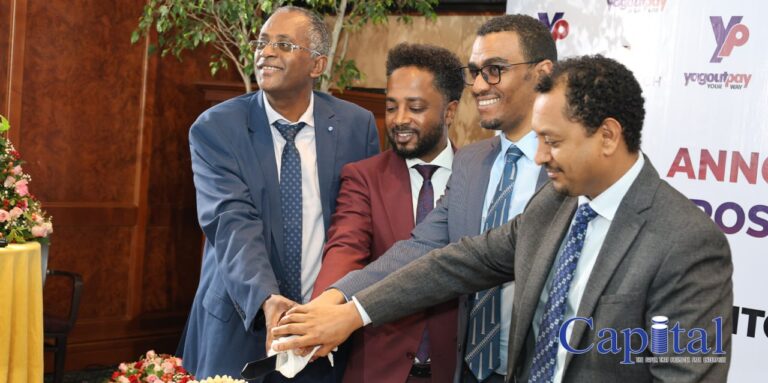
In a significant move towards modernizing Ethiopia’s financial landscape, Yagout, a leading fintech company, has entered into an agreement with ETHSWITCH, the national switch operator, to implement a comprehensive digital payment system. This partnership aims to revolutionize the way customers transact and businesses operate in the country.

The agreement allows customers to use any bank’s card through the ETHSWITCH network to make payments using Yagout Pay Posse, a convenient and secure platform. This integration not only benefits consumers but also empowers traders by offering them the Yagut Pay Pos service as an alternative to the POS tools provided by banks.

Teshome Alemayehu, CEO of Yagout Pay, expressed optimism about the partnership, stating, “We are committed to expanding our reach and providing seamless payment solutions to the people of Ethiopia.” He further revealed that the number of POS machines is expected to increase to 10,000 within the next year, a testament to the company’s ambitious growth plans.

Yagout Pay, founded just a year ago, offers innovative solutions such as smart and mobile payment-enabled POS and Pay Gateway services. These services enable individuals to process payments using their mobile phones and payment cards, making transactions more convenient and accessible.

The implementation of this digital payment system is a crucial step in the development of Ethiopia’s economy. By leveraging the expertise of both Yagout and ETHSWITCH, the partnership aims to drive financial inclusion, reduce cash dependency, and promote the growth of digital commerce in the country.

Alemayehu emphasized the significance of the agreement, stating, “This partnership is a testament to our commitment to empowering businesses and individuals with cutting-edge payment solutions. We are confident that this collaboration will pave the way for a more prosperous and digitally-driven economy in Ethiopia.”

As the country continues to embrace technological advancements, the Yagout-ETHSWITCH partnership represents a significant milestone in Ethiopia’s journey towards a cashless society. By providing a reliable and efficient digital payment infrastructure, the collaboration aims to unlock new opportunities for businesses and consumers alike, fostering economic growth and financial inclusion in the years to come.

Africa needs $1.3 trillion annually to achieve Sustainable Development Goals

0

The need for new financing strategies and improved access to global capital markets for development finance has become more pressing than ever. As a result, Africa requires an additional $1.3 trillion per year to make meaningful progress toward the Sustainable Development Goals (SDGs), according to experts.

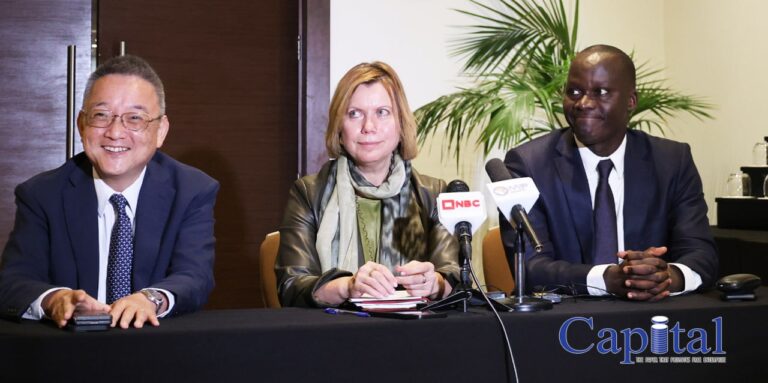
In response to this pressing need, key policymakers, government officials, and experts from across Africa gathered in Addis Ababa for a three-day regional workshop titled “A Continent in Conversation: Alternative Strategies to Improving Africa’s Credit Ratings.” The event aimed to discuss the strategic and policy impacts of sovereign credit issuance and their influence on Africa’s development funding landscape.

Recent downgrades of African countries by the Big Three credit rating agencies – Moody’s, S&P, and Fitch Ratings – have highlighted the urgent need for many African nations to address their fiscal challenges and secure development financing. The workshop, which brought together nearly 50 stakeholders and key government officials from Ethiopia, Tanzania, Kenya, Uganda, and the United Nations Economic Commission for Africa (UNECA), focused on equipping participants with the knowledge and tools needed to improve their credit ratings processes.

Speaking during the opening session, Samuel Doe, Resident Representative of UNDP Ethiopia, underscored the importance of understanding credit ratings processes and their implications for development financing to achieve sustainable development goals. “Credit ratings matter because they can enhance a country’s reputation and market standing,” he emphasized.

Shigeki Komatsubura, Resident Representative of UNDP Tanzania, urged African countries to leverage the opportunity to understand credit rating processes and restore their collective credit strengths to the levels achieved in the early 2000s with the help of UNDP’s groundbreaking Africa credit rating initiative.

This initiative, which includes a resource platform, advisory services, and credit rating capacity building, aims to provide policymakers with practical knowledge and training in the credit rating space. By equipping African nations with the necessary tools and strategies, the workshop aims to help bridge the financing gap and accelerate progress towards the SDGs.

As the global community works towards a more sustainable and equitable future, the need for innovative financing solutions and improved access to capital markets has never been more critical. The Addis Ababa workshop serves as a crucial step in empowering African countries to take charge of their development trajectories and secure the resources needed to build a prosperous and resilient continent.