Monday, November 16, 2026
Home Blog Page 1448

Ethiopia urged to enhance financial inclusivity to sustain economic growth

0

Clayton Hayward, CEO of EFT Corporation, has emphasized the critical need for Ethiopia to focus on financial inclusivity in order to maintain and accelerate its economic growth. Speaking at the 15th edition of the Connected Banking Summit, Hayward highlighted the pivotal role that the expansion of digital banking can play in this effort. However, he noted that significant work remains to be done to ensure widespread access and understanding of digital financial services across the country.

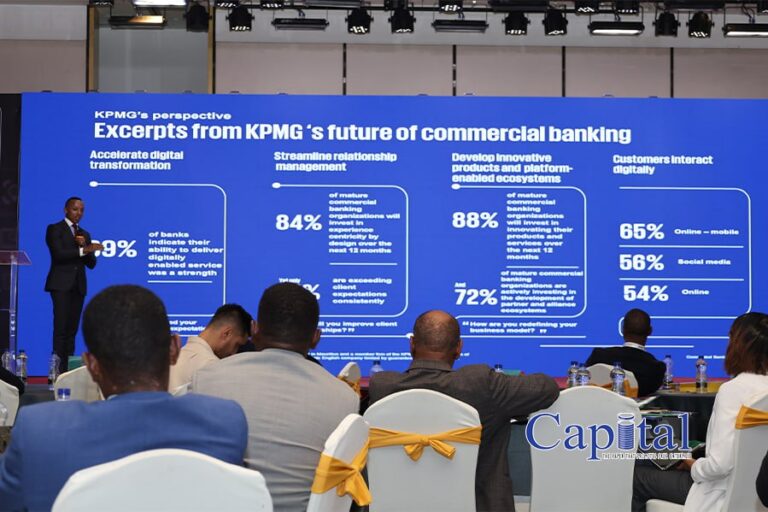
The Connected Banking Summit, organized by the International Center for Strategic Alliances, took place in Addis Ababa under the theme “Bolstering The Economy With Digitalization And Financial Inclusion.” The event gathered leaders and professionals from various sectors, including banks, insurance companies, fintech firms, techfin enterprises, and digital banks. The summit also featured the prestigious Connected Banking Innovation and Excellence Awards, which recognized outstanding contributions to the industry.

Throughout the summit, participants explored the profound impact of modern technologies such as artificial intelligence (AI), machine learning (ML), deep learning, cognitive computing, and digital assets on the financial services ecosystem. These discussions underscored the importance of leveraging these technologies to shape the future direction of the industry, particularly in emerging markets like Ethiopia.

A key point of discussion was the current state of digital banking in Ethiopia. While there has been significant interest and progress in adopting digital financial services, several challenges persist. One of the main issues highlighted was the lack of accurate and complete information available to the public, which has led to gaps in digital literacy. This lack of knowledge and understanding has hindered the widespread adoption of digital banking services.

Another significant challenge is the limited infrastructure for mobile phone and internet connectivity, particularly in rural and underserved areas. The uneven access to reliable internet services has created barriers to the effective implementation of digital banking solutions, leaving many Ethiopians without the means to benefit from these advancements.

As the summit concluded, there was a consensus among the attendees that addressing these challenges is crucial for Ethiopia’s financial sector to achieve greater inclusivity. Expanding digital literacy programs, improving internet infrastructure, and ensuring that financial services are accessible to all segments of the population were identified as key steps toward achieving this goal.

“Ethiopia has tremendous potential to harness the power of digital banking to drive economic growth,” said Hayward. “But to do so, we must prioritize financial inclusivity, ensuring that every Ethiopian, regardless of their location or background, has access to the tools and knowledge they need to participate in the digital economy.”

The Connected Banking Summit has once again underscored the importance of collaboration and innovation in the financial sector. As Ethiopia continues to pursue its ambitious economic goals, the focus on digitalization and financial inclusion will be critical to ensuring that growth is both sustainable and inclusive.

Siket Bank registers 1.6 billion birr profit in first year after banking transition

0

Siket Bank, formerly known as Addis Credit and Saving S.C., has marked a significant milestone in its first year as a full-fledged bank, reporting an impressive profit of 1.6 billion birr for the 2023/24 financial year. This marks the end of a successful inaugural year since its transition from a microfinance institution to a commercial bank.

The bank, which became Ethiopia’s 32nd commercial bank after receiving approval from the National Bank of Ethiopia last year, earned more than 2.3 billion birr in revenue during the fiscal year. This represents a 42 percent increase in income compared to the previous year, when the institution was still operating as a microfinance entity.

Speaking on the financial results, Damtew Alemayehu, President of Siket Bank, highlighted the remarkable growth the bank has achieved in its first year. “The profit for the fiscal year, excluding tax and provisions, reached 1.6 billion birr, reflecting a 49 percent increase compared to the same period last year,” he stated.

Siket Bank’s focus on micro and small enterprises (MSEs), youth, and women has been a key driver of its success. According to Damtew, 87 percent of the total loans distributed by the bank were allocated to MSEs, 69 percent to young entrepreneurs, and 57 percent to women-led businesses. These figures underscore the bank’s commitment to supporting economic empowerment and financial inclusion in Ethiopia.

As of June 30, 2024, Siket Bank had issued a total of 9.2 billion birr in loans to its customers, marking a 23 percent increase from the same period last year. The bank’s strong lending performance has been accompanied by a robust accumulation of savings, with deposits reaching 3.7 billion birr.

To enhance its operational efficiency and service delivery, Siket Bank has invested in modernizing its infrastructure. The implementation of Core Banking Software has fully integrated all branches of the bank, and the construction of a state-of-the-art data center has been completed, positioning the bank for continued growth and innovation.

Siket Bank started its operations with total assets of 15.8 billion birr and a paid-up capital of 5.9 billion birr. The bank, which is backed by 26 shareholders, boasts a subscribed capital of 10 billion birr.

Reflecting on the bank’s achievements, Damtew Alemayehu emphasized the importance of these foundational efforts in establishing Siket Bank as a key player in Ethiopia’s financial sector. “Our transition to a commercial bank has allowed us to better serve our customers and contribute to the economic development of our country. We are committed to continuing this progress and expanding our impact in the years to come,” he said.

Heart Attack Ethiopia Inc. launches lifesaving Mission #2: A Lifeline for Cardiovascular Health in Ethiopia

0

Heart Attack Ethiopia Inc., a nonprofit organization founded by Ethiopian-American physicians Dr. Tesfaye Telila and Dr. Obsinet Merid, is set to embark on its second mission to Ethiopia. This initiative is dedicated to combating the alarming rise in premature deaths caused by heart attacks and strokes across the country. With a commitment to saving lives and improving cardiovascular health, the organization is making a profound impact on communities in Ethiopia and beyond.

A Global Effort with Local Roots

Based in Georgia, USA, Heart Attack Ethiopia has extended its reach far beyond American borders, with its efforts deeply embedded in the Ethiopian healthcare landscape. The organization collaborates closely with local partners and stakeholders to ensure that its initiatives are both culturally sensitive and sustainable. This partnership-driven approach is helping to build a healthier Ethiopia, one heartbeat at a time.

Mission-Driven Success

Under the leadership of Dr. Tesfaye Telila, Heart Attack Ethiopia’s team of dedicated doctors and volunteers has already made a significant impact. During their first mission in February 2024, a team of six medical professionals performed 32 life-saving cardiac procedures, offering hope and a new lease on life to those in desperate need. With over 6,000 people still on the waiting list for cardiac care in Ethiopia, the urgency of their mission is undeniable.

The organization’s second mission, scheduled for August 19-30, 2024, aims to save as many as 100 lives during a two-week operation at the Cardiac Center in Ethiopia. A crew of 16 healthcare professionals will arrive in Addis Ababa on August 17, 2024, bringing with them over $1 million worth of donated medical supplies. This critical mission underscores the organization’s unwavering commitment to addressing the cardiovascular health crisis in Ethiopia.

Empowering Ethiopian Medical Professionals

Beyond providing life-saving cardiac care, Heart Attack Ethiopia is also focused on empowering local medical professionals through its Volunteer Training Team (VTT) program. This initiative aims to enhance the skills and knowledge of Ethiopian doctors, ensuring that the impact of each mission extends well beyond the immediate care provided. By investing in the professional development of local healthcare workers, Heart Attack Ethiopia is helping to build a more resilient healthcare system in Ethiopia.

Building Global Partnerships

In a significant step toward global collaboration, Heart Attack Ethiopia recently facilitated a successful meeting between the Rotary Club of Peachtree City (Georgia, USA) and the Rotary Club of Addis Ababa East. This partnership represents a major leap forward in securing grants and sustaining ongoing cardiovascular missions in Ethiopia. Together, these organizations are working to combat heart disease and improve health outcomes across the region.

As the team prepares for its August mission, Heart Attack Ethiopia remains steadfast in its mission to save lives and improve the cardiovascular health of Ethiopians. Through global partnerships, local empowerment, and a deep commitment to care, the organization is making a lasting impact on the health and well-being of countless individuals.

African Youth Employment Clock officially launched in Ethiopia

0

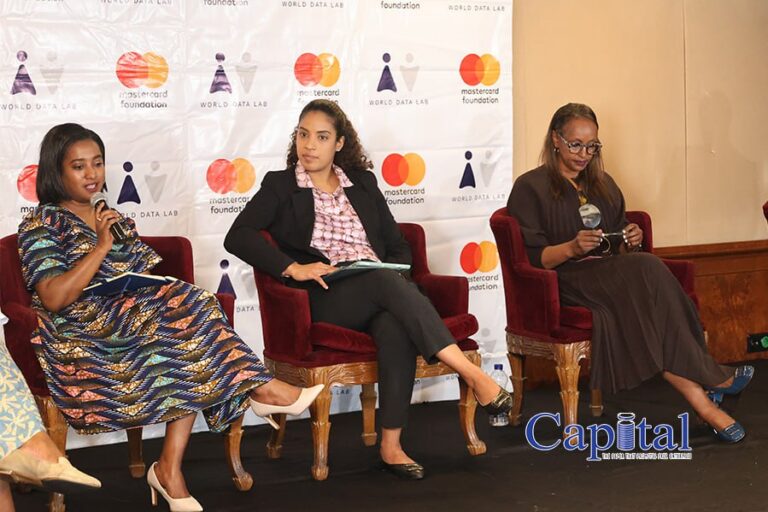
The World Data Lab (WDL), in partnership with the Mastercard Foundation, has officially launched the African Youth Employment Clock in Ethiopia. This innovative tool is designed to provide a comprehensive overview of youth employment trends and challenges within the country, offering crucial insights that can guide strategic decision-making and foster impactful partnerships with African institutions.

The African Youth Employment Clock aims to address the pressing issues facing young people in Ethiopia by enabling stakeholders to allocate resources more effectively and design programs that meet the specific needs of the youth population. By highlighting the employment landscape in real-time, the tool serves as a vital resource for governments, NGOs, and private sector entities committed to improving job opportunities for young Ethiopians.

According to forecasts from the World Data Lab, Africa is set to experience unprecedented youth population growth this decade (2021-2030). The continent’s youth population is expected to increase by 100 million between 2023 and 2030, underscoring the urgent need for effective youth employment strategies.

The African Youth Employment Clock also includes the African Youth Employment Watch, a complementary tool that supports the journey towards more inclusive labor markets across the continent. This initiative provides data modeling and visualization, helping stakeholders better understand the dynamics of youth employment and design policies that promote economic inclusivity.

At the country level, the youth employment data provided by the clock is available for all 54 African nations. In Ethiopia, as well as in Ghana, Kenya, and Rwanda, sub-national data is also accessible, offering deeper insights into regional employment trends. Over time, this sub-national data will be expanded to include additional countries such as Nigeria and Uganda, where the Mastercard Foundation supports localized programs.

The hourly data analysis model utilized by the African Youth Employment Clock draws from surveys and datasets developed by national statistical offices and international sources. The WDL’s methodology ensures that the data is peer-reviewed, consistent, and comparable across all countries, providing a reliable basis for policy formulation and program development.

Wolfgang Fengler, CEO and Founder of the World Data Lab, highlighted the significance of the tool for Ethiopia. “Despite the high cost of employment, Ethiopia continues to grapple with poverty, with over 16 million people classified as middle-class or extremely poor. At the World Data Lab, our goal is to provide accurate data that helps policymakers create dignified work opportunities for everyone,” he said.

Fengler expressed optimism about the collaboration with the Mastercard Foundation, noting, “We are excited about the potential of this tool to address the unique challenges faced by Ethiopian youth. By providing data-driven insights, we can help unlock opportunities for the next generation and contribute to the country’s long-term economic growth.”

As Ethiopia continues to navigate its economic development, the African Youth Employment Clock offers a promising step forward in empowering young people and ensuring they have access to the opportunities they need to thrive in an increasingly competitive job market.