Thursday, April 2, 2026
Home Blog Page 1733

Make it happen 1

0

Many business owners and managers that I meet ask me why it is that their workers don’t perform as they could and ask what they can do to get them to give their best for the company. I hear of unemployed people begging for a job, being given the opportunity to work, kissing the feet of their employer and only months later turn against the same employer complaining about the working conditions they accepted so eagerly. I hear of workers speaking badly behind the backs of their employer, forgetting that the same employer provides a salary which makes it possible to pay the bills. Why is this so and what can be done about it? This is complex material, and no one answer will do the trick. There are many factors involved here related to both the workers and the company. So let us examine some of these factors a bit closer.

The performance equation can be written as follows:

Performance = Individual attributes x work effort x organizational support

This formula views performance as the result of personal attributes of workers, the effort they put in and the organizational support they receive. The multiplication signs indicate that all three factors must be present for performance to be achieved. If any of the three factors would be absent, in other words would be zero, then following simple mathematics, performance would be zero. It follows as well that to get maximum result or maximum performance, each of the factors need to be maximised. Managers must therefore understand how these three factors, acting either alone or in combination, can affect performance results.

We need therefore to realize that:

  • Individual attributes relate to capacity to perform.
  • Work effort relates to a willingness to perform.
  • Organizational support relates to the opportunity to perform.

Individual attributes include three broad categories, namely demographic characteristics (e.g. gender, age), competency characteristics (knowledge, skills, experience) and personality characteristics (what a person is like). From a performance management point of view the individual attributes must match task requirements to facilitate job performance.  

Work effort relates to the motivation of the worker. Even if the employee fits the task requirements as closely as possible, it does not necessarily mean that performance will be high. To achieve high levels of performance, even people with the right capacities must have the willingness to perform. If in a factory for example, workers have the same academic qualifications, skills and experience, their individual performance may vary considerably. Why is this so? Part of the answer lies indeed in each person’s motivation to work. Hard work however does not necessarily mean that performance will be high too. Motivation predicts work effort, which in turn, combines with individual attributes and organizational support to predict performance. The challenge of managers is than to find ways of positively influencing other people’s motivation to work. The willingness to work ultimately lies with the individual. It is therefore in the manager’s interest to understand and learn more about the psychology of motivation.     

Organizational support is the third factor of the individual performance equation. Even if personal attributes and motivation are high, performance may still leave much to be desired, because there is inadequate support in the workplace. Typical constraints could include lack of time, inadequate budgets, inadequate tools, equipment, supplies, unclear instructions & information, lack of required services and help from others, or inflexibility of procedures.

Almost anybody will face one or more of such constraints at some point in her or his career. Having to rush a job because of a short deadline, insufficient tools, unclear instructions are common examples. It is the responsibility of managers to ensure that organizational support for performance exists in their areas of supervisory responsibility. 

The next few weeks we will look a bit deeper into the above-mentioned factors, more especially some of the individual attributes and motivation issues, in order to understand better why some workers perform well and others not, even though they have the same qualifications. In Ethiopia, we need to realize as well that there still hangs a heavy negatively charged cloud over business owners, who try to earn a living for themselves and their employees. By many, including their own employees, they are still seen as exploiters, who want to get rich quick at the expense of their workers and customers. While there are certainly business owners who fit this description, it is in my opinion necessary to change this perception and try to understand some of the constraints business owners themselves face in the process of building an honest business, which provides employment opportunities for others. Collecting the monthly pay cheque and not putting in the best you have is simply not ethical as well.

Ton Haverkort
Transformative Healthcare Initiatives

0

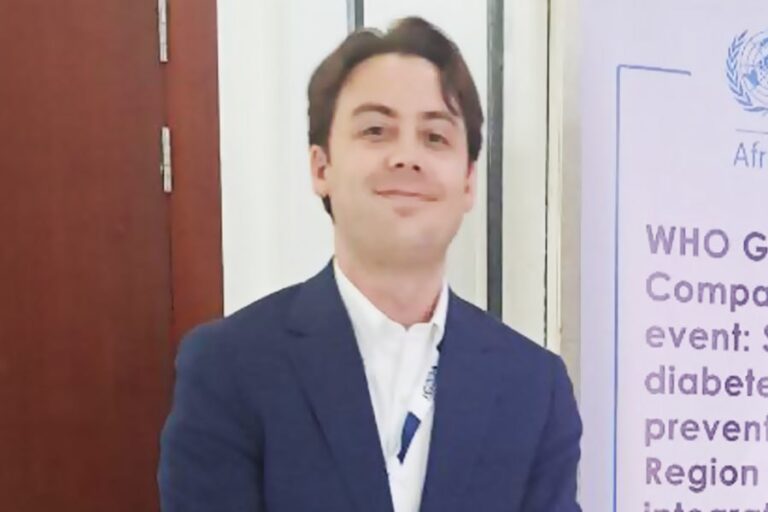
Amidst the complex landscape of healthcare challenges in Ethiopia and East Africa, the Helmsley Charitable Trust stands as a beacon of hope, dedicated to catalyzing transformative change. At the helm of this noble endeavor is James Reid, Program Officer at the Trust, who is committed to advancing healthcare accessibility and outcomes across the region. In a recent interview, James shed light on the trust’s multifaceted initiatives, particularly its focus on combating type 1 diabetes and other non-communicable diseases (NCDs).

With a history spanning over 15 years, the Helmsley Charitable Trust has emerged as a pivotal player in the healthcare arena, channeling substantial resources and expertise to address pressing health disparities. Central to its mission is the pursuit of innovative solutions that resonate with the local context, empowering communities and fostering sustainable progress. From forging strategic partnerships with government entities and grassroots organizations to leveraging cutting-edge research and technology, the trust employs a holistic approach to tackle the intricate web of healthcare challenges.

In Ethiopia, where healthcare access remains a pressing concern, the trust’s efforts have been instrumental in driving tangible improvements. Through collaborative endeavors with key stakeholders such as the Ministry of Health, local healthcare providers, and advocacy groups, the trust has championed initiatives aimed at enhancing diabetes care and bolstering healthcare infrastructure. Moreover, its engagement extends beyond national borders, encompassing neighboring countries like Kenya, Tanzania, and Rwanda, where similar initiatives are making significant strides.

In this illuminating interview with Capital’s Groum Abate, James Reid digs  into the trust’s ongoing projects, highlighting success stories and outlining strategies for sustainability. From the pioneering Penn Plus model of care to innovative approaches in optimizing healthcare spending, the trust’s initiatives are poised to make a lasting impact on the lives of countless individuals. As James articulates the vision for the future, it becomes evident that the Helmsley Charitable Trust remains steadfast in its commitment to advancing healthcare equity and empowering communities across Ethiopia and beyond. Excerpts;

Capital: Could you tell us more about the Helmsley Charitable Trust and its mission?

James Reid: Certainly. The Helmsley Charitable Trust is a philanthropic organization based in the United States. Our primary focus is on health, encompassing a wide range of issues, from place-based initiatives to chronic diseases like type 1 diabetes and Crohn’s disease. Our Type 1 Diabetes program is our largest initiative and has been a cornerstone of our work since the trust was founded.

Capital: Can you share some success stories from your work?

James: Absolutely. Over the past 15 years, the Helmsley Charitable Trust has committed around $1 billion to addressing Type 1 diabetes. This includes funding research to better understand the disease, developing improved therapies, and enhancing access to care for individuals with type 1 diabetes. In my portfolio, which focuses on work in low and middle-income countries, one of our notable successes is the Penn Plus model of care. About a decade ago, we collaborated with several partners to explore how type 1 diabetes could be effectively managed and integrated into government programs in resource-constrained settings. Since then, the model has evolved into PEN+, and it has gained significant traction. Two years ago, all 47 member states of the WHO Africa region adopted PEN+ as their regional strategy, demonstrating strong government support and recognition of its effectiveness. Currently, ten countries are implementing the program, with seven more in the process of initiation. Countries like Rwanda have successfully incorporated the model nationwide, showcasing its potential for widespread impact.

Capital: Besides WHO, how does the Helmsley Charitable Trust identify partners to support?

James: At Helmsley, we believe in taking an ecosystem approach to our work. We understand that various stakeholders play crucial roles in driving change across different areas. Therefore, we collaborate with academic institutions to conduct research on innovative care models, such as the PEN+ program. We also engage with civil society organizations and advocates to ensure global attention and political momentum for our initiatives. Additionally, we partner with organizations focused on improving access to essential medicines, facilitating sustainable distribution models for products like insulin and glucose test strips. Our goal is to empower diverse voices, including local community leaders and individuals living with type 1 diabetes, alongside larger entities like the World Health Organization. Through collaborative efforts, we strive to advance our mission and create meaningful impact.

Capital: Do you have any projects that you support in East Africa or specifically in Ethiopia?

James: Yes, indeed. In Ethiopia, we have several ongoing projects. One of our longstanding partnerships is with the Ethiopia Diabetes Association through the Life for a Child program. We’re also collaborating directly with the Ministry of Health on a non-communicable disease (NCD) agenda aimed at improving access to diabetes care within the public health system. This initiative involves working closely with the Clinton Health Access Initiative. Additionally, the NCDI Poverty Network is advancing the Penn Plus model in partnership with the Matthias Wando Foundation in Ethiopia. Across East Africa, including countries like Kenya, Tanzania, and Rwanda, we have similar partnerships in place.

Capital: Foreign currency scarcity is a significant challenge in Ethiopia, particularly impacting the import of insulin. How does your organization address this issue? Do you have any programs targeting it?

James: That’s a crucial issue to address. One approach is through models like Penn Plus, which prioritize economic sustainability by integrating type 1 diabetes care with other health programs. This alignment ensures that resources allocated for diabetes care benefit other health services, creating a broader impact. Another successful strategy involves optimizing available funds effectively. For instance, our collaboration with the Clinton Health Access Initiative in Ethiopia focuses on ensuring that the budget allocated for NCDs is utilized for the highest quality of care. This includes implementing efficient training programs, prioritizing procurement of best-in-class medicines, and minimizing wastage. Ethiopia has shown success in developing robust operational plans that coordinate various stakeholders to maximize impact with available resources. While mobilizing additional funds remains a challenge, Ethiopia’s effective utilization of existing resources serves as a model for expanding impact in similar contexts.

Capital: Do you have any other new initiatives in Ethiopia or any updates on ongoing projects?

James: Absolutely, our primary focus at the moment is to ensure the continued momentum of the Penn Plus model. The conference happening this week aims to foster a comprehensive understanding of the model among representatives from the Ministry of Health, the World Health Organization, and other key partners in this field. Our program is centered around advancing and expanding the coalition to not only address type 1 diabetes but also other critical acute and severe non-communicable diseases like sickle cell disease and childhood heart disease. By engaging a broader range of partners, we aim to scale up and enhance the impact of this program, improving the lives of more individuals.

Capital: In what timeframe do you anticipate seeing the impact or success of your programs?

James: That’s a crucial question. We expect to witness significant scale-up in several countries, with a substantial increase in the number of partners and sites involved. Countries like Malawi and Zimbabwe, among others, show promising potential for impact. Over the next few years, we anticipate gathering improved data on the substantial growth in the number of patients benefiting from our initiatives. Typically, the initial year focuses on raising awareness and ensuring patients are aware of available services. Countries like Rwanda, which are further along in the scale-up process, demonstrate that once services are accessible, routine care becomes widespread across the nation. Additionally, the NCDI Poverty Network has recently published an article on monitoring and evaluating the quality of care provided. We are optimistic that in the coming years, we’ll observe enhanced outcomes for patients, not only in terms of increased patient numbers but also in the quality of care they receive from healthcare facilities.

Capital: Is there anything else you’d like to mention that we haven’t covered?

James: I’d like to emphasize my excitement and optimism regarding the leadership demonstrated by ministries of health, political leaders, and the World Health Organization in this endeavor. While there’s still a long road ahead in improving non-communicable disease care, I’m confident that through collaborative efforts, we can achieve significant progress.

Name: Biruk Tsehay

0

2. Education: Biotechnology degree

3. Company Name: Biruk Selamawit and Friends Compost Manufacturing

4. Title: Founder and Manager

5. Founded: 2021

6. What it does: Production of organic fertilizer (compost)

7. Headquarters: Addis Ababa

8. Startup Capital: 30,000 birr

9. Current Capital: Close to 1 million birr

10. Employees: 14

11. Reason for starting the business: To address agricultural input challenges in Ethiopia, particularly the accessibility of fertilizer for farmers.

12. Biggest perk of ownership: Freedom to make impactful decisions.

13. Biggest ,Strength: Focused approach to business.

14. Biggest Challenge: Lack of understanding among people and financial constraints due to knowledge gaps.

15. Plan: To become the largest fertilizer manufacturer in Africa.

16. First Career: Car wash (Liabajo)

17. Most Interested in Meeting: Ermias Amelga

18. Admired Person: Dr. Woretaw Bezabeh

19. Stress Reducer: Working, especially in the wood.

20. Favorite Book: Abdurahman Seyyid’s “Wotatenet”

21. Favorite Pastime: Music and learning history.

22. Destination: Tanzania

23. Automobile: Land Cruiser

PSI Ethiopia addresses shortage of family planning products

0

In response to the shortage of family planning products in Ethiopia, PSI Ethiopia has announced its initiative to bridge the gap between demand and supply. The organization aims to tackle the issue and expand its reach in providing essential birth control products.

Family planning products have been in high demand in Ethiopia. However, the availability of these products has been insufficient, leading PSI Ethiopia to step into the market.

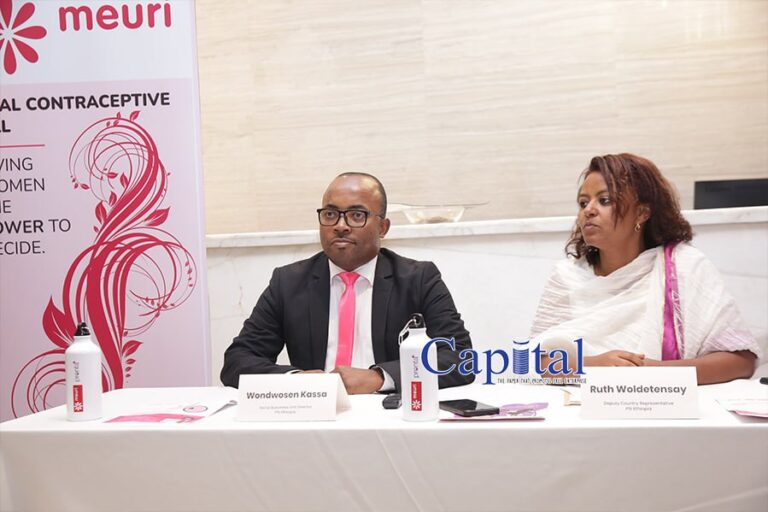
Recognizing the need to address the shortage, Wondwosen Kassa, Social Business Unit Director at PSI Ethiopia, stated, “We understand that there is a shortage of family planning products in Ethiopia, and PSI Ethiopia has entered the market to address the supply problem.”

This week, PSI Ethiopia’s social enterprise launched two new family planning products, Meuri and Prontal1, aiming to meet the unmet contraception needs of Ethiopian women and reduce the burden of unintended pregnancies and associated complications.

Different family planning products have gained significant promotion and distribution through governmental and non-governmental institutions in recent years. However, the increasing demand for these products has raised concerns among reproductive health experts, emphasizing the importance of careful use and marketing.

Wondwosen Kassa highlighted the availability of Meuri and Prontal1 through PSI Ethiopia’s extensive distribution network, marking a significant step towards improving contraceptive options and reproductive health services nationwide.

PSI Ethiopia, a non-governmental organization established in 2003 with a focus on malaria prevention, has expanded its efforts through its social business unit to address the shortage of family planning products, aiming to provide wider access to crucial reproductive health resources across the country.