Saturday, April 4, 2026
Home Blog Page 1846

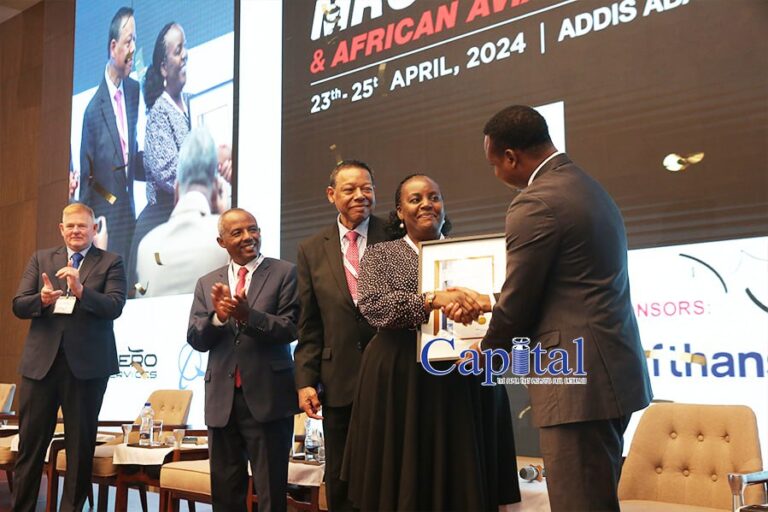
Ethiopian Airlines faces political hurdles in Nigerian Airline project, seeks partnership with South Africa

0

The issue of establishing airlines in Nigeria has become more of a political issue than a business one, as revealed by the CEO of Ethiopian Airlines Group. Ethiopian Airlines has expressed keen interest in working with South Africa in terms of partnership.

Mesfin Tasew, CEO of Ethiopian Airlines Group, recalled that the project was initiated by the former Nigerian government, but the new government decided to postpone it.

“The new government wanted to suspend the project, so we had no choice but to suspend the process. It has now been postponed,” he said.

“Even though we understood that the business environment in Nigeria was challenging, we took it as a challenge and started establishing the line. But in the middle, a group of Nigerian airlines opposed the idea and took the case to court, despite the strong support for the project from the former government,” he recalled.

“After the change of government, the new administration wanted to suspend the project, so we had no choice but to suspend it,” he added.

He said that the project stalled because of political intentions rather than business reasons.

“Initially, it was a request from the government. Now, the government wants to postpone it. So the issue became more political than business, which is why it was discontinued,” he explained.

Regarding the South African Airways project, the CEO recalled that the initiative was carried out by his predecessor, Tewolde Gebremariam.

He said that now they have seen the interest, they would like to give it a try. “We want to evaluate it and hopefully engage in the partnership.”

The former leadership of Ethiopian Airlines has expressed its interest in engaging in a partnership to support the struggling South African Airways.

Ethiopian Airlines has created strong trust in the initiative to enhance airline services in some African countries, and several other governments have expressed their interest in getting support from the continental giant.

United Kingdom, United Nations Children’s Fund (UNICEF) and Federal Government of Somalia launch flagship programme to improve health and nutrition for Somali women and children

0

British Embassy Mogadishu partners with UNICEF and the Federal Government of Somalia to launch Better Lives for Somali Women and Children (Better Lives) programme; Over 3 years, the UK will dedicate £38m to improve health and nutrition for vulnerable pregnant women and young children in Somalia through UNICEF.

The British Embassy Mogadishu today launched the development phase of the Better Lives for Somali Women and Children programme with UNICEF, Mercy USA, Trocaire, Save the Children and Action Against Hunger and the Federal Government of Somalia. This innovative programme will improve lives for Somalia’s most vulnerable and is the UK’s flagship health and nutrition partnership with the Federal Government of Somalia.

Having pledged £38m from October 2023 to September 2026, the UK is again proving itself a committed and unique partner to the Somali Government across a wide range of humanitarian and development activity. At the launch of the UK-Somalia Strategic Partnership in November 2023, health was identified as a top priority by UK Minister for Development and Africa Andrew Mitchell and President of Somalia, Hassan Sheikh Mohamud.

Better Lives will deliver high impact health and nutrition services like immunization, maternal and newborn care, and treatment of malnutrition and common childhood illnesses like diarrhoea and pneumonia to vulnerable women and children, as well as improving the capacity of regional and district health authorities to effectively lead and coordinate service delivery. Better Lives will mean fewer women dying of complications related to pregnancy and birth and will reduce infant mortality rates caused by malnutrition and disease.

The launch event in Mogadishu on 29 April was attended by the Federal Government of Somalia’s Minister for Health H.E Dr. Ali Haji Adan, the Director General for Health and other Government representatives.

Speaking at the launch event in Mogadishu, British Ambassador to Somalia Mike Nithavrianakis said:

“Better Lives is our flagship and innovative health and nutrition programme, which will improve lives for Somalia’s most vulnerable women and children. We’re delighted to be working hand in hand with our partners UNICEF and the Federal Government of Somalia.

With the £38m we have pledged to September 2026, Better Lives will deliver high impact health and nutrition services to women and children across Somalia. This will include vital immunization, maternal newborn and child care, and treatment of malnutrition and common childhood illnesses like diarrhoea and pneumonia. Better Lives will also support regional and district health authorities to sustainably increase capacity and improve service delivery.

Better Lives will mean fewer women dying of complications related to pregnancy and birth and fewer infants and babies dying as a result of malnutrition and disease. I can’t think of a worthier goal.”

UNICEF’s Representative Wafaa Saeed also welcomed the flagship programme

“Somalia’s efforts to reduce maternal and child deaths is complicated by chronic conflict and climate change, which is causing population displacements and disease outbreaks.”

“Through this programme, we will strengthen the capacity of the health system to provide lifesaving services while prioritizing the most vulnerable. We will strive to ensure that quality support is provided to targeted individuals and that no mother and child is left behind.”

Better Lives will involve like-minded partners and donors supporting health in Somalia including the World Bank, Global Fund to Fight AIDS, Tuberculosis and Malaria (GFATM), Gavi and other bilateral donors in addition to the Federal Government. The UK has been a consistent supporter of health and nutrition initiatives in Somalia and is working with President Hassan Sheikh Mohamud’s Government to support Somalia’s transition to Universal Health Coverage and the roll-out of the Government’s national health and nutrition policy framework to provide health services across all regions. Better Lives will aim to ensure access to and availability of critical healthcare services across six regions and 15 districts of Somalia with the aim of reaching 4 million vulnerable women, men, boys and girls by 2026.

The extension of the programme follows a short-term humanitarian phase which ran from April 2022 to September 2023 and provided vital insights for the design of the programme, including how to improve quality of services delivered and how to strengthen response to emergencies. In the humanitarian phase of the programme, over 230,000 children under the age of five years were fully immunized and a further 123,000 were treated for severe malnutrition. Over 200,000 women received professional antenatal care, while almost 100,000 women gave birth with the support of medical professionals at healthcare facilities. 12 medical facilities were also fitted with solar panels to help provide reliable power for important services including immunization to children under five years. Working with the Somali Ministry of Health, almost one million Somalis received outpatient care, making a real difference to the health and wellbeing of some of the country’s most vulnerable communities.

Building on the success of the humanitarian phase, the development phase of the programme will institute sustainable and impactful healthcare improvements to benefit Somali women and children for years to come. 

Distributed by APO Group on behalf of UNICEF Somalia.

Jaipur Foot: Transforming lives in Ethiopia through prosthetic innovation

0

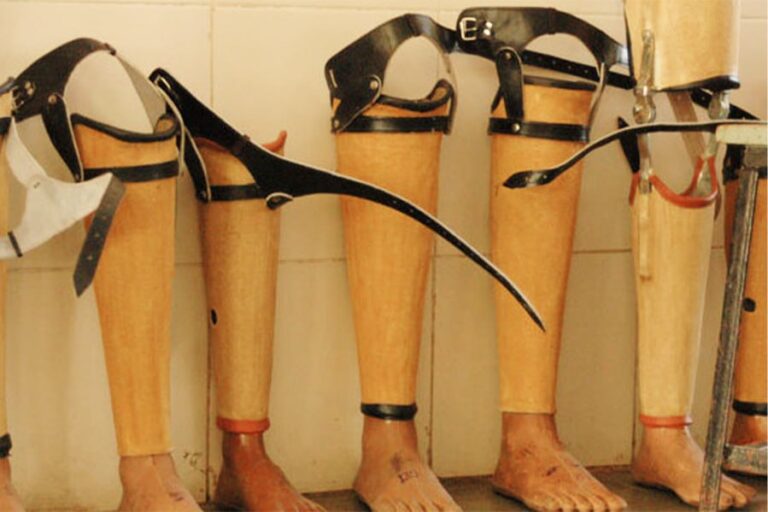
Jaipur Foot, the world-renowned provider of prosthetic limbs, has extended its humanitarian efforts to Ethiopia, bringing hope and mobility to thousands of people with disabilities. Founded in 1975, the non-profit organization is celebrated globally for its innovative, low-cost prosthetic solutions tailored for lower limb disabilities.

This week, Jaipur Foot launched a fully sponsored camp in Semera, Afar, in collaboration with the Indian Ministry of Foreign Affairs and under the guidance of the Ministry of Women and Social Welfare. The camp is the latest in a series of initiatives aimed at providing prosthetic limbs to those in need, with the next stop planned for Tigray.

Ambassador Satish C. Mehta Executive President of the organization and who is leading the team in Ethiopia said “Jaipur Foot’s artificial limb, recognized as the world’s most used prosthetic limb, supports the three essential movements of the foot, making it exceptionally flexible and functional. This technology has enabled many recipients to lead normal and active lives. Despite the advanced technology, the cost of a Western-designed prosthetic limb can reach up to $15,000, whereas a Jaipur Foot limb costs merely $100 in India, thanks to the organization’s efficient use of funds and dedication to accessibility.”

The organization’s innovative approach includes mobile workshops that overcome geographical and accessibility challenges, ensuring that no one in need goes without help. These efforts are supported by a robust international presence, with camps in 42 countries and permanent centers in locations including Jamaica, Pakistan, Kenya, Nepal, and potentially soon in Ethiopia.

In 2016, Jaipur Foot began its mission in Ethiopia, with the first camp held in Mekele. Since then, the organization has provided close to 2,000 limbs free of charge in the country, including 377 limbs with the support of JMC, an Indian construction company operating in Ethiopia, and conducted additional camps, and a government-sponsored camp in 2019 that supplied 538 limbs in Addis Ababa. The latest Semera camp aims to fit up to 650 limbs in two weeks, reflecting the critical ongoing need in the country where hundreds of thousands of people require limb replacements.

Ambassador Anil K. Rai Indian Ambassador to Ethiopia said “Jaipur Foot seeks to establish a permanent center in Ethiopia to increase its reach and ensure long-term sustainability. This expansion would not only provide prosthetic limbs but also facilitate technology transfer and skill development, crucial for building local capacity to address mobility challenges.”

Economic Report highlights Africa’s path to inclusive and resilient future

0

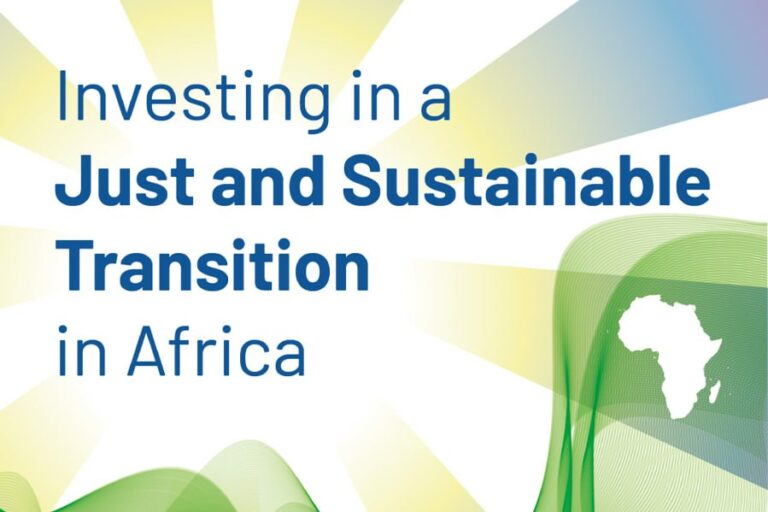
The recently released Economic Report on Africa 2024 sheds light on the continent’s progress towards achieving inclusivity and resilience in the face of economic, social, and climate challenges. The report, published by the Economic Commission for Africa (ECA), emphasizes the importance of investing in a just and sustainable transition for Africa’s long-term development.

Africa has demonstrated remarkable resilience in the face of significant headwinds, with the report highlighting the continent’s ability to weather economic storms. Despite the challenges, investment and trade have emerged as crucial pillars for sustainable development in Africa, driving economic growth and fostering regional integration.

One of the key imperatives for Africa is to address the persistent issues of poverty and structural unemployment. The report stresses the need for comprehensive policies to combat these challenges effectively. By creating an enabling environment and implementing targeted interventions, Africa can turn the tide and uplift its citizens, ensuring that no one is left behind.

The report further underscores the urgency of transitioning towards a just and sustainable future. Africa cannot afford to remain on the sidelines of the global sustainability transition. The continent must align its priorities with global resource and carbon constraints, while also considering its unique circumstances and development needs.

To achieve a just and sustainable transition, the report identifies key dimensions that require attention. These include leveraging the global sustainability transition to leapfrog development, addressing energy poverty through the just energy transition, managing critical minerals to avoid the “resource curse,” fostering multilevel and collaborative governance, harnessing frontier technology, and establishing international partnerships.

Strategic investment opportunities are highlighted as critical drivers of Africa’s inclusive and resilient future. The African Continental Free Trade Area (AfCFTA) is identified as a transformative mechanism that can attract more and better investment to the continent. By advancing strategic investment opportunities, Africa can unlock its full economic potential and accelerate sustainable development.

Financing remains a significant challenge in implementing a just and sustainable transition in Africa. The report emphasizes the wide funding gap that exists and the need to enhance existing climate finance mechanisms while advocating for reforms in the global financial architecture. Mobilizing adequate resources and ensuring their efficient allocation are crucial steps towards realizing Africa’s development goals.

The Economic Report on Africa 2024 serves as a comprehensive guide for policymakers, governments, and stakeholders to shape policies and strategies that promote inclusivity and resilience. It calls for concerted efforts and collaborative action to create a future where Africa thrives sustainably, leaving no one behind.

As Africa navigates the path towards a just and sustainable transition, the report serves as a roadmap, providing valuable insights and recommendations to unlock Africa’s potential and build a prosperous and resilient continent for generations to come.