Thursday, April 9, 2026
Home Blog Page 1922

The LAB returns with explosive performances, futuristic vibes

0

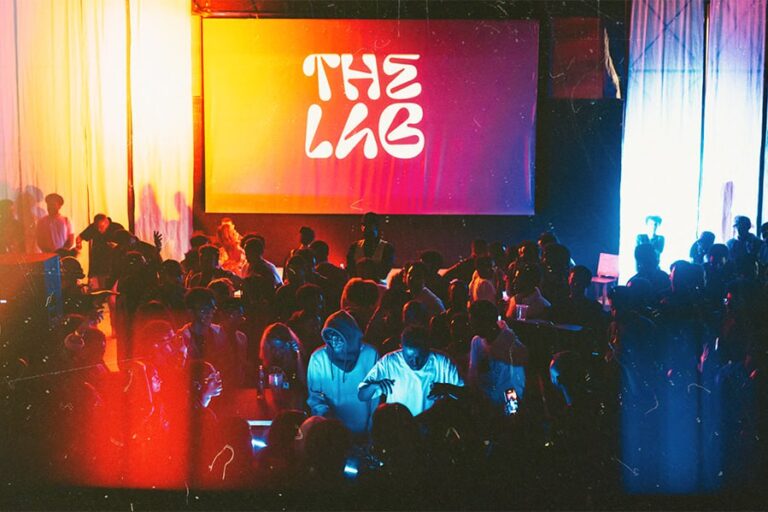
The LAB with Yohannes Hadish is an explosive music series that offers one of the most anticipated and sought-after music experiences in Addis Ababa. It started at Labrina Restaurant and has now found its home at The Venue Warehouse, showing just how far this collective has come, and they’re only getting started.
The LAB is a platform for multidisciplinary artists, showcasing underground artists and musicians through a monthly music event series in Addis Ababa. Co-Founder and Creative Director Yohannes Hadish had a mission to create a vibrant community of local and diasporic artistic heritage, pushing the boundaries of creativity in Addis. “There are so many talented young people here in Addis, so many!” exclaims Yohannes. “You see people wanting to work and create, even with limited resources. I’m very inspired by how this community expresses itself, and The LAB was born out of a desire to showcase people like that.” Through The LAB, audiences and creatives are guided into new and exciting sonic spaces, with immersive sets ranging from Hip-Hop, Soul, House, Afro Fusion to Jazz, creating an underground taste that represents the diverse flavors of Addis. The resident DJs of The LAB curate cinematic and euphoric performances, setting a new tone for how music is experienced in the city, and the patrons can’t seem to get enough.


Accompanying these genre-defying performances are futuristic visuals, meticulously documented in the digital realm through @thelabwithyh and @yohannes_hadish on Instagram. These videos capture the essence of what The LAB is all about, and their release is highly anticipated just as much as the event itself. The clever use of social media, particularly Instagram, has been a crucial resource in The LAB’s resounding success. “Instagram has played a major role in building our community at The LAB and has propelled us into the mainstream. It has allowed us to discover other creatives with similar vibes who were also seeking what we were producing. There’s a hunger for something fresh, something that embodies the dynamic youth culture, and we’ve become the platform for that. By finding and engaging with emerging talent, showcasing various art mediums, and fostering close discussions with our community, we’ve built trust. Creatives who appreciate our work trust us to continue innovating, and this support allows us to keep evolving and growing. Instagram has been instrumental in this process.”


Curating a multifaceted art-centered programming is not as easy as it sounds. Like many creatives, this kind of bold ambition comes with its own set of challenges. Finding a suitable space that allows for creative autonomy in how the event is experienced took time. Yohannes jokes, “Pushing the creative boundaries of a traditional marketing rollout and insisting on a different and innovative promotional approach took time to gain acceptance. We really had to fight for it. However, people now know our story and are inspired by it, which is the most important thing. Despite these challenges, we are doing our best to maintain our integrity and artistic freedom, and that is the best part. It makes me proud that we are always overcoming because it is a must!” exclaims Yohannes. “It is mandatory; the vision is greater and well within reach.”

Inspired by what they have accomplished so far, the future looks bright for this collective. Some aspirations for the remainder of the year include solidifying their position as leaders in the creative scene. “The community is filled with talented individuals. We are working towards becoming the best at what we do, and we want our work to speak for the impact we are creating.” Some of these aspirations include changing the sound of the events scene and empowering different creatives in the process. “I want The LAB to be known for bringing about new changes, producing quality international standard experiences, and content,” shares Yohannes. “Let’s take The LAB global!” Ultimately, it is the need for expression that drives these ambitions, and creating a legacy of high-quality cultural assets makes it all worthwhile.


They took a break over the Easter fasting period, but they are hard at work for the successful implementation of the next installment. Episode 7 will be held on Saturday, May 11, ushering in the summer festival season with a fresh new sound. Of course, we can expect a combination of explosive visuals. They are the ones to keep an eye on.
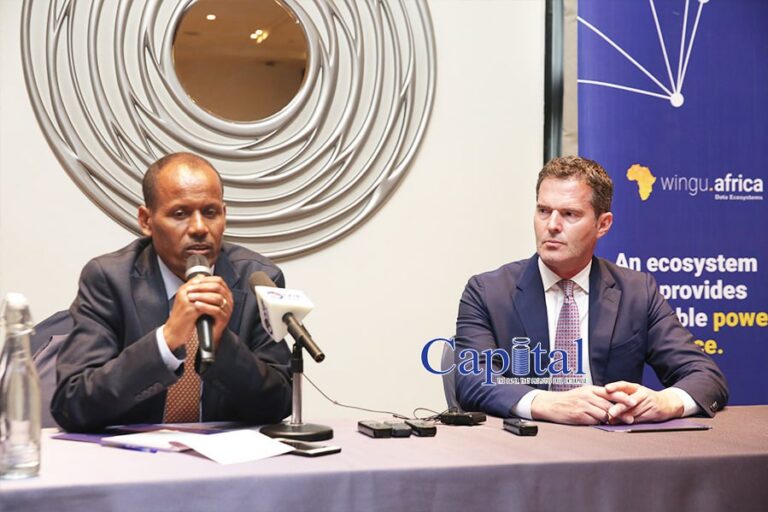
Wingu Africa becomes Ethiopia’s first certified data center

0

Wingu Africa Group Limited, a leading data center provider in Ethiopia, has achieved a significant milestone by becoming the first in the country to meet international standards, with an investment of $50 million. The company, which established a data center in Addis Ababa’s ICT Park a year ago, announced that it has been awarded a Tier III quality certification by the Uptime Institute. The Uptime Institute is a global authority on digital infrastructure that evaluates data centers worldwide, similar to the International Organization for Standardization (ISO).

This certification marks Wingu Africa’s data center as the first in Ethiopia to receive such recognition, underscoring its compliance with stringent international criteria. According to Yeshurun Alemayehu, the state minister of MiNT, this acknowledgment not only highlights the data center’s excellence but also enhances Ethiopia’s capacity to attract further investment. This development represents a significant achievement in the country’s technology sector.

From conflict to classrooms: Rebuilding Tigray’s schools and education system

0

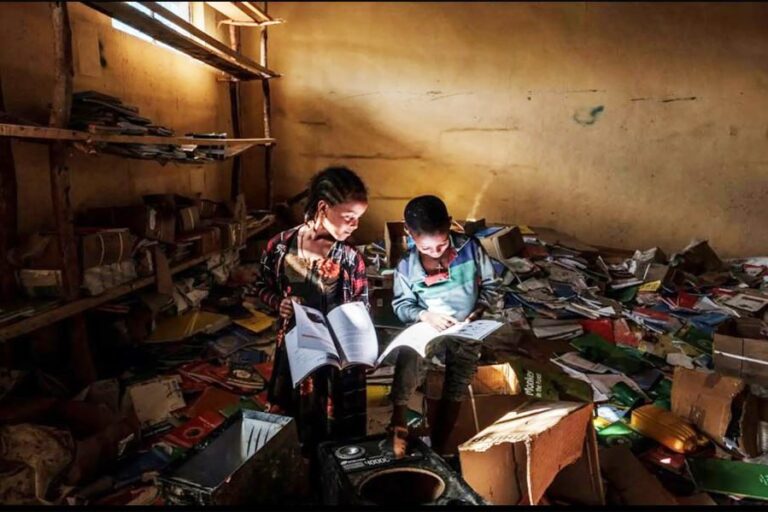
Tigray, once celebrated for its thriving education system, now bears the scars of a devastating war that has left its schools shattered and in ruins. The impact on education, particularly for girls, has been severe. This article examines the current state of education in Tigray, focusing on the challenges faced by girls and outlining a roadmap for rebuilding a brighter future.

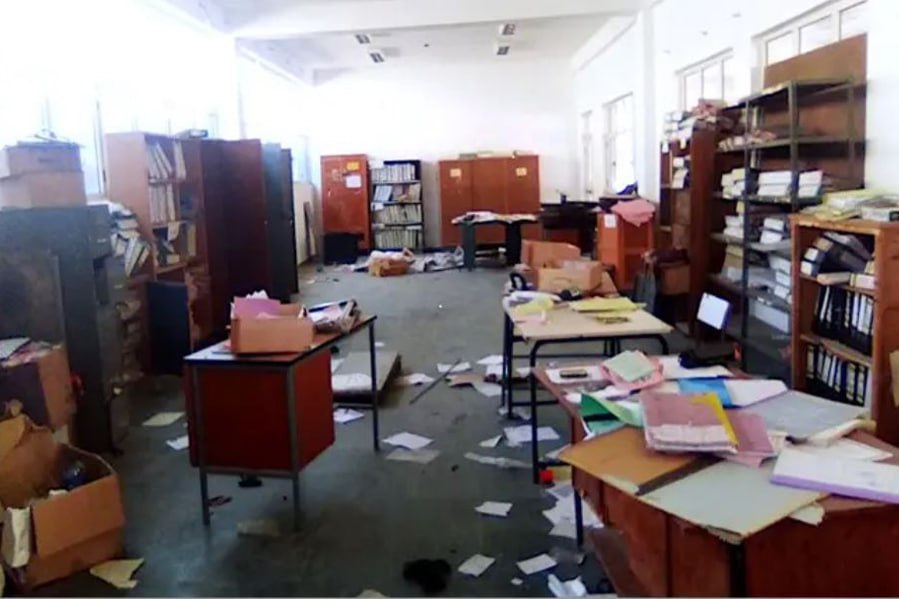
According to a report released by the Tigray Education Bureau in 2021, more than 88% of classrooms in the region have been damaged or destroyed as a result of the war. In addition to the physical destruction, essential learning materials have been looted or lost, and many teachers have been forced to flee the violence. As a result, school enrollment has plummeted, and the United Nations Children’s Fund (UNICEF) estimates that over 2.8 million children across Ethiopia, including Tigray, have been deprived of education due to the conflict.

The war has had a disproportionate impact on girls’ education. Traditional gender roles that prioritize boys’ education have left girls even more vulnerable to dropping out. The disruption caused by the conflict, coupled with the increased risk of gender-based violence, creates significant barriers for girls seeking to return to school. For many girls, the dream of an education, which serves as a passport to a brighter future, now feels like a distant memory.

Although the signing of the Pretoria Agreement has brought hope to some, progress has been slow in rebuilding the education system. However, dedicated teachers and students are working tirelessly to revive the spirit of education. They conduct classes under the shade of trees, using traditional seating arrangements, and actively encourage parents to send their children to school.

The once vibrant centers of education now stand as stark reminders of the conflict’s devastating impact. These previously bustling places of learning have been repurposed as Internal Displacement Person (IDP) centers, highlighting the desperate need for shelter amidst the crisis. Classrooms, once filled with the sounds of learning, have been transformed into temporary cooking areas, symbolizing the disruption to academic routines and the prioritization of basic survival needs. The surrounding fields, once playgrounds for children, have been covered in tents, serving as makeshift solutions to the housing crisis that has displaced families and uprooted communities. This transformation underscores the profound disruption education experiences during conflict, emphasizing the struggle for normalcy and the urgent need for reconstruction efforts to restore not only physical infrastructure but also the stolen educational opportunities of an entire generation.

Restoring Hope: Strategies for Bringing Girls Back to School

Rebuilding Tigray’s education system requires a comprehensive approach that prioritizes not only the physical reconstruction of schools but also the well-being of students and teachers. Schools must be repaired and made safe, fostering secure environments conducive to learning. Many children have experienced the trauma of war, and providing them with psychosocial support programs is crucial for their healing process and successful reintegration into the classroom.

Furthermore, targeted incentives such as scholarships and school supplies can help bridge the gap for families facing financial wconstraints that may prioritize boys’ education. Connecting girls with female role models through mentorship programs not only demonstrates the value of education but also inspires them to pursue their academic dreams. Community education programs can play a vital role in challenging traditional gender norms and promoting the importance of girls’ education, ensuring equal access to this fundamental right.

Building a Supportive Community: Accelerated Learning and Trauma-Informed Pedagogy

Rebuilding education in Tigray goes beyond mere physical reconstruction. Accelerated learning programs are essential to help children who have missed crucial years of education due to the conflict catch up with their peers and prevent them from falling behind.

Building strong community support systems is another critical element of this process. Local committees composed of parents, teachers, and community leaders can play a pivotal role. These committees can oversee school reconstruction efforts, monitor student progress, and identify and address challenges faced by girls in particular. Their local knowledge and understanding will be invaluable in ensuring a successful and inclusive education system.

Equipping teachers with the necessary tools is also crucial. Providing training in trauma-informed pedagogy can empower them to address the specific needs of students who have experienced the trauma of war. This will create a more supportive learning environment where children can heal and thrive.

Empowering communities to advocate for girls’ education at the local and national levels can lead to long-term, sustainable change. By giving voice to these crucial concerns, communities can ensure that girls’ education is prioritized and that all children have the opportunity to reach their full potential. This local advocacy will pave the way for a brighter future for Tigray’s education system.

A Brighter Future: Investing in Tigray’s Education

Rebuilding Tigray’s education system encompasses more than just replacing buildings and books. It is about restoring hope, opportunity, and a brighter future for a generation of children. By prioritizing girls’ education, investing in psychosocial support, and building strong community support systems, Tigray can emerge from the darkness of conflict and build a future where education empowers all children, regardless of gender, to reach their full potential.

The positive impact of investing in education will extend far beyond the walls of the classroom. Educated girls are more likely to be healthy, economically empowered, and actively participate in their communities. By investing in education, particularly for girls, we invest in a more peaceful, prosperous, and equitable future for Tigray and Ethiopia as a whole.

Implementing new standards to address the lack of care-leaving policy

0

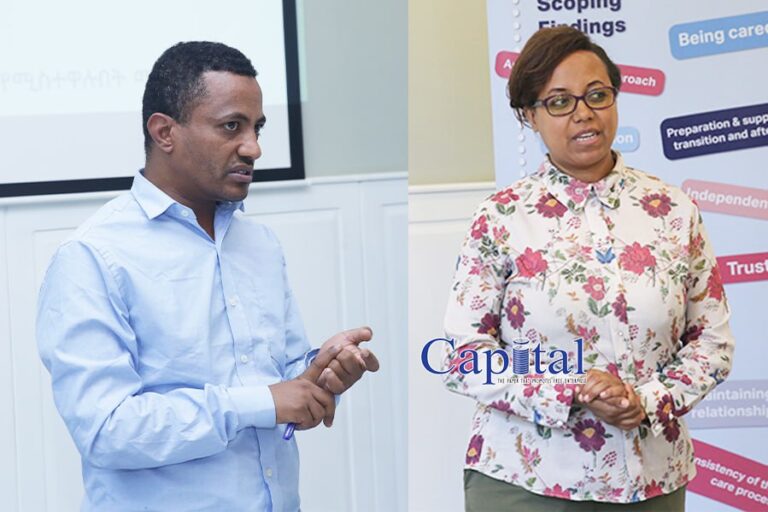
Recent evaluations have shown that the services provided to orphans in childcare facilities across Ethiopia fall short of necessary standards, highlighting significant gaps in care. In response, a new minimum standard for care-leaving has been drafted to address the lack of support for young individuals transitioning out of orphanages at age 18, who are often unprepared for self-sufficiency and vulnerable to various challenges.

The 2023 Directive on Alternative Child Care and Support mandates that residential care should only be a temporary solution and the last resort for children without parental care. However, studies continue to reveal that the quality of care in these institutions is inadequate.

To combat these issues, the Children’s Rights and Protection Desk at the Ministry of Women and Social Affairs is developing a national low-care discharge standard alongside a de-institutionalization strategy. This initiative aims to support youth in securing necessary personal documents such as IDs and birth certificates, which are essential for securing housing and integrating into society post-care.

The lack of a coherent care-leaving policy has been a persistent problem in Ethiopia since the inception of programs like those by SOS Children’s Villages in 1974. These programs have evolved significantly to meet the complex needs of Ethiopian children and youth without parental care.

In their 2023 policy brief, “Situational Analysis and Policy Gap Assessment on Young Care Leavers in Ethiopia,” SOS Children’s Villages outlined critical findings and recommendations for addressing these gaps. The brief highlights the substantial challenges care leavers face, including inadequate education, lack of employment opportunities, poor community integration, and minimal life skills, which exacerbate their risk of poverty, homelessness, and social exclusion.

Despite the existence of the National Social Protection Policy, the National Youth Policy, and the National Children’s Policy, their implementation has been notably weak, leaving many young individuals unsupported as they transition to independent living.