Saturday, April 11, 2026
Home Blog Page 2014

EDR expands partnerships for enhanced logistics and investment in railway facilities

0

The Ethio Djibouti Railway Standard Gauge Share Company (EDR) and the Djiboutian port operator Doraleh Container Terminal Management Company (SGTD) are in talks to invest in railway facilities. Additionally, EDR is planning to start working with a Chinese enterprise in Nagad and Dire Dawa.

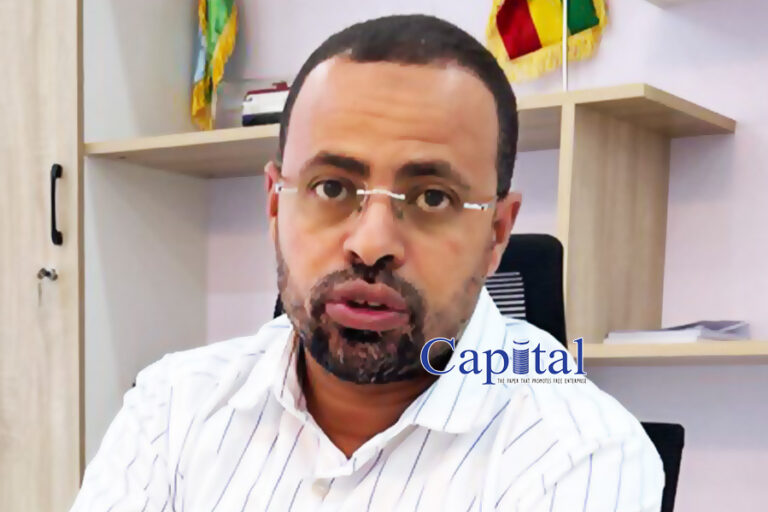
Abdi Zenebe, the CEO of the joint venture between the governments of Ethiopia and Djibouti, stated that the railway firm is expanding its business and diversifying its operations by forming new partnerships with interested parties in the logistics industry.

According to him, negotiations are underway between the railway firm that links Djibouti with central Ethiopia and SGTD, a modern container port operator in Djibouti, for the port operator to participate in parts of EDR’s operations.


Regarding EDR’s operations, the Ethiopian side expects to support the flow of goods such as mining and agricultural products, and the ports in Djibouti are interested in increasing port efficiency, according to Abdi.

As they put it, “we are jointly working together and in the near future SGTD will have an investment in the logistics activity that we carry.”

“It is a mirror image; we have partnered with SGTD to improve the activity and involve the port operator in certain areas, so the efficiency at the railway has a direct impact on ports,” he told Capital, adding, “They have specific experience handling port machinery.”

Experts in every field, including cranes, are available at SGTD; for example, they are now inspecting Endode’s EDR equipment.

“They will assist us in increasing our productivity at Dire Dawa, Sebeta, and other stations. They are interested in investing in the logistics industry, therefore, we are searching for opportunities to work together on a joint venture,” Abdi continued.

He said that talks are now taking place between the two sides to determine which sectors the port operator will invest in as a business partner at EDR.


The CEO remembered that end-to-end service as a last and first mile is soon to be introduced to increase the railway company’s income and quality of service.

The CEO claims that the firm will have vehicles to carry out the plan, but until then, it will launch a leasing program.

“We are working on it because we have the ability and knowledge to operate as freight forwarders, which is unavoidable. In the upcoming years, we will diversify into several industries and will have around seven satellite firms,” he said.

A portion of the business will be conducted under the public-private partnership (PPP) model, per the proposal. He declared, “At this time, we have already begun the PPP arrangement with the Chinese company, CCECC.” To improve the shipping of fertilizer and oil, the Chinese company and EDR developed a bulk cargo containerization (BCC) hub at the Nagad Railway Station in Djibouti.

In the same vein, the company will invest in Dire Dawa to upgrade the coal and cement ship that will soon be active.

About two months ago, Sebeta Railway Station in Ethiopia opened for business, and more recently, Hol Hol Railway Station in the Djiboutian part, according to the CEO.

The business has already made it possible to deliver strategically important goods like fertilizer. Moving billets is now a component of the growth of the modern transportation infrastructure’s freight activities.

According to the CEO, EDR will begin shipping commodities from the dry port in Dire Dawa and coal from Sebeta. “At the same time, clinker will be transported as part of business diversification,” the CEO stated.

ECX stalls mineral trading plans due to security concerns

0

The Ethiopian Commodity Exchange (ECX) has developed contracts for the trading of mineral products, aiming to diversify its offerings beyond the 22 agricultural products it currently handles. However, plans to introduce these minerals into the market have been stalled due to security concerns in the regions where these resources are found. Wondemagegnehu Negera, the CEO of ECX, announced that while the exchange was ready to trade in tantalum, opal, and sapphire, security issues in key regions have prevented the commencement of these operations.

The ECX, which has been operational for 16 years, has been instrumental in centralizing the trade of agricultural commodities in Ethiopia, providing a unified platform for pricing and transactions. This year, the exchange planned to expand its portfolio by introducing three new mineral products as well as several agricultural items, including beer barley and, for the first time, salt through a modern marketing system.

Negera highlighted the potential of mineral trading in regions such as Amhara, Tigray, and Oromia but pointed out that the prevailing security situation has posed a significant barrier to harnessing these resources for foreign exchange earnings. The specifics of the researched areas and the prepared contracts for mineral product trading were not disclosed due to these challenges.

The CEO also touched on the future implementation of an online trading system, which would enable traders to conduct transactions remotely, further enhancing the exchange’s accessibility and efficiency.

In the first nine months of the 2023/24 fiscal year, the ECX reported trading 172 thousand metric tons of agricultural products, valued at 19.4 billion birr, with sesame and coffee making up the majority of the trade volume. Notably, the trading price of coffee has seen a 5 percent increase, while sesame prices surged by 45 percent compared to the previous year. Over the past 16 years, the ECX has facilitated transactions worth more than 386 billion birr, marking a significant impact on Ethiopia’s commodity market.

Doba-Bishan Tab: Water treatment facility ensures access to clean drinking water

0

In a significant stride towards addressing water management challenges, Ethiopia has welcomed the inauguration of the Doba-Bishan Tab, the country’s first-ever water treatment facility. With an investment exceeding 55 million birr, encompassing land, building, machinery, and raw materials, the factory located in Mojo is poised to revolutionize waterborne disease prevention efforts.

Doba-Bishan Tab is a sister company of Bishan Gari’s purification industries, which has been actively operating in Ethiopia since 2008. To commence production of their water treatment product, Doba Industry Trading plc, a subsidiary of Bishan Gari, invested over 5 million birr solely in raw materials and machinery.

The state-of-the-art facility boasts a production capacity of 40 thousand tabs per hour, with each tablet purifying 20 liters of water. This breakthrough development aims to combat the growing issue of water scarcity and inadequate treatment facilities in rural areas, particularly in African countries. The lack of infrastructure and the high costs associated with water treatment have contributed to a pressing security concern.

Previously, Bishan Gari relied on imported raw materials for production. However, with the establishment of their purification industries, the company has successfully transitioned to self-production, resulting in significant savings in time and costs.

Bishan Gari, renowned for its commitment to providing high-quality products, has expressed its dedication to making clean drinking water accessible to all those in need. The introduction of the Doba-Bishan Tab marks a milestone in Ethiopia’s efforts to improve water management and safeguard public health.

As the country takes strides towards a more sustainable future, the inauguration of the Doba-Bishan Tab serves as a testament to Ethiopia’s determination to address pressing societal and environmental challenges.

Coffee and Tea Authority propels spice industry with new proclamation

0

The Ethiopian Coffee and Tea Authority (ECTA) has taken a significant step forward in bolstering the spice industry by issuing a new proclamation aimed at providing a robust legal framework. This move comes after extensive deliberations and preparations since 2021 to modernize and regulate the spice sector, which represents a vital component of Ethiopia’s offerings to the global market.

Scheduled to come into effect this March, the directive addresses longstanding challenges in quality assurance, productivity, and market continuity within the spice industry. Ethiopia’s diverse agroecology and favorable climatic conditions provide an ideal backdrop for spice cultivation, but persistent issues such as miscommunication between farmers and consumers, inadequate market linkages, post-production management deficiencies, and transportation challenges have hampered its full potential.

Recognizing the immense economic and security benefits that a thriving spice industry can offer, ECTA emphasizes the importance of ensuring the welfare of spice producers and stakeholders. The newly issued guidelines are designed to enhance export earnings by promoting competitive, high-quality spice products consistently available in the international market.

By establishing modern, transparent, and equitable marketing practices, the proclamation aims to elevate spice manufacturers, marketing actors, and the nation’s prosperity to new heights. Under the directive, spices are defined as plant-derived products with distinct aromas, flavors, and properties, used widely in food, medicine, and various industrial applications.

Ethiopia currently exports 16 main types of spices, including ginger, turmeric, red pepper, and black fennel seed, highlighting the country’s rich potential in the global spice trade. With the implementation of the new proclamation, stakeholders are optimistic about the industry’s growth trajectory and its contribution to Ethiopia’s economic development.
