Friday, May 8, 2026
Home Blog Page 2195

Ethiopia embraces local investors: New manufacturing policy opens doors to industry parks

0

By our staff reporter

In a bid to bolster domestic production and reduce reliance on imports, the Ministry of Industry (MoI) has rolled out a new manufacturing policy prioritizing import substitution.

MoI has devised strategies aligned with the recently endorsed manufacturing policy, which prioritizes the expansion of the import substitution subsector. Through the Investment Board, industry parks are now open to local investors, facilitating the implementation of these strategies.

Replacing a previous policy dating back 22 years, the updated manufacturing policy underscores import substitution as a primary pillar for sectoral development. Unlike its predecessor, which heavily emphasized export-led manufacturing, the revised policy shifts focus towards import substitution industries.

Experts highlight the nation’s substantial capacity for domestic production but note that significant foreign exchange is still being drained by imports of various finished products. In response, the new policy places particular emphasis on bolstering the manufacturing sector to curb import dependence.

Zerihun Abebe, Head of MoI’s Export Products Competitiveness, emphasizes that the shift in policy direction does not discredit the previous approach but rather seeks to strike a balance between export and import substitution. With imports surpassing exports by a significant margin, there is a pressing need to narrow the trade deficit by fostering local production.

The new policy is built on two main pillars. Firstly, it aims to enable the manufacturing sector to produce inputs required by manufacturers of finished products. Secondly, it seeks to boost domestic manufacturing output to reduce reliance on imported goods. Over the next three years, the policy targets the complete replacement of over 96 imported commodities with locally manufactured alternatives.

Crucially, the policy takes into consideration factors such as the most commonly imported products and the nation’s potential and resources for rapid substitution. By harnessing these resources and aligning strategies with the policy objectives, Ethiopia aims to strengthen its domestic manufacturing base and achieve greater self-reliance in key sectors.

He mentioned that the policy is now established, with several strategies under development, and an implementation plan set to follow suit. Zerihun disclosed, “following the recommendations, approximately 50 strategies will be formulated, and currently, four strategies have been devised, including the implementation tactic for import substitution.”

Zerihun highlighted the significance of one of the strategies, the incentive approach, which is on the brink of initiation. He explained, “distinct incentives will be extended to the import substitution and other manufacturing sectors to invigorate the industry.”

Recognizing the pivotal role of local investors in industry growth, the policy prioritizes their involvement. Zerihun emphasized, “To achieve the anticipated sectoral growth, we must prioritize local investors.”

In line with this, the Investment Board has given the go-ahead for local investors’ participation in industry parks predominantly owned by foreign direct investments. The new program aims to introduce performance-based incentives using innovative methodologies.

Discussing the incentive structure, Zerihun stated, “Under the new policy, incentives will be provided based on investors’ activities, diverging from the previous uniform approach.”

With a shift towards market-led manufacturing industry development, the policy has been revamped to emphasize productivity and competition, necessitating stable macroeconomic conditions, adequate financing, and access to land, infrastructure, and logistics.

Despite the dominance of traditional agricultural commodities in exports, the nation’s manufacturing sector exports goods worth approximately half a billion dollars.

The leadership of MoI is actively championing the new policy across various sectors. Notable achievements include the successful replacement of malt supply for brewers and the adoption of locally sourced coal by the cement industry. Additionally, textile and leather supply to specific sectors, notably the military, has witnessed substantial growth.
Ethiopia braces for impact as UNCTAD highlights disruptions in global trade routes

0

By our staff reporter

The United Nations Conference on Trade and Development (UNCTAD) has sounded the alarm on the impact of recent attacks on shipping in the Red Sea, with their latest report titled “Navigating Troubled Waters: The Impact to Global Trade of Disruption of Shipping Routes in the Red Sea, The Black Sea, and the Panama Canal,” shedding light on the far-reaching consequences for global trade.

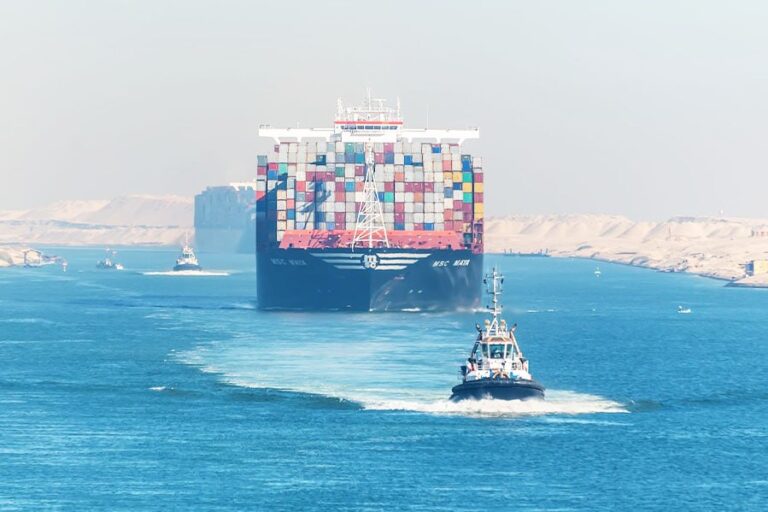
Ethiopia, like many nations heavily reliant on maritime trade, faces mounting challenges as disruptions in key shipping routes reshape the global trade landscape. The recent attacks in the Red Sea have particularly affected maritime trade routes, notably through the Suez Canal, leading to significant shifts in established patterns.

UNCTAD’s report underscores the gravity of the situation, citing a 42% decrease in transits through the Suez Canal compared to peak levels. Major players in the shipping industry have temporarily suspended Suez transits, resulting in a 67% reduction in weekly container ship transits. The ramifications extend to container carrying capacity, tanker transits, and gas carriers, all of which have experienced substantial declines.

The economic and environmental costs of avoiding the Suez Canal are substantial, with rerouting around the Cape of Good Hope leading to increased trade costs, longer cargo travel distances, and higher insurance premiums. Moreover, the surge in average container spot freight rates poses additional challenges, impacting both developing economies and global supply chains.

Ethiopia’s foreign trade, like that of several East African countries, heavily relies on the Suez Canal. Djibouti, Kenya, Tanzania, and Sudan are among the nations most dependent on the canal, with significant portions of their trade volumes traversing this route.

UNCTAD warns of soaring prices and inflation as prolonged disruptions in container shipping threaten global supply chains. Consumers are expected to feel the full impact of higher freight rates within a year, while the discontinuation of gas transits could drive up energy prices, further affecting global food prices.

Moreover, the acceleration of vessel speeds to maintain schedules amidst disruptions has led to higher fuel consumption and greenhouse gas emissions. UNCTAD estimates a potential 70% increase in greenhouse gas emissions for certain round trips, highlighting the climate impact of these developments.

Developing countries, including Ethiopia, are particularly vulnerable to these disruptions, emphasizing the urgent need for swift adaptations and robust international cooperation to manage the evolving situation. The challenges underscore the exposure of global trade to geopolitical tensions and climate-related challenges, emphasizing the necessity for collective efforts to find sustainable solutions.

CALL FOR PROPOSALS  – MEDICAL AND LIFE INSURANCE

0

Date of Advertisement:                                                        19 February 2024

Deadline for Submission of Proposals:                            28 February 2024

Place:                                                                                         Ethiopia – Addis Ababa

Medecins Du monde (MdM) France intends to purchase Group Yearly Renewable Term (GYRT) Life Insurance with Comprehensive Accidental Indemnity (CAI) insurance coverage as well as Medical Insurance Coverage for its employees and their immediate dependents who are based in Addis Ababa and across all regions of Ethiopia where MdM-F is operating.

Therefore, the organization hereby invites Insurance Companies legally registered in host country to avail the required insurance services.

For detailed Scope of work, please follow the link:                                                                                          

Please send your electronic proposals on the below email not later than 28 February 2024 Only, electronic proposals are accepted at this stage.

supply.ethiopia@medecinsdumonde.net

Instruction for Tender

Staff Data and Dependent List

NIB Board vows leadership reform amidst internal dispute

0

By our staff reporter

Following an internal leadership dispute that led to the departure of Genene Ruga, the president of Nib International Bank (NIB), the newly elected board of directors has announced its commitment to continue implementing reforms aimed at overcoming the bank’s challenges.

In a statement sent to Capital, the board emphasized its intention to address past issues and implement significant reforms within the bank. One of the key adjustments planned by the board is the reorganization of the bank’s top leadership, which will be carried out based on the findings of an inquiry to be conducted by the National Bank of Ethiopia (NBE). Additionally, the statement indicated that further investigations into any unlawful behavior will be conducted by both NIB and NBE.

In light of Genene’s departure, Melkamu Solomon, Vice President for Human Capital, has been appointed to an acting top post. However, the board has the authority to appoint an interim president before a permanent leader is selected and approved by NBE.

The board also expressed its regret to clients who were affected by the bank’s difficulties and assured them of its commitment to address the issues at hand. Despite recent challenges, NIB reported impressive profits for the fiscal year ending June 30, 2023, with significant growth in income and deposits mobilized.

The new board, led by Shisema Shewaneka, has replaced the previous one, and former board members are prohibited from holding leading positions in the financial industry as per regulatory requirements. Discussions regarding the bank’s future took place during a meeting between the new board and NBE governor and vice governor, Mamo E. Mihretu and Solomon Desta, on Wednesday, February 14.

Overall, the new board of directors at NIB is committed to implementing structural changes, assigning new leadership, and working closely with regulatory authorities to restore the bank’s position as one of the top banks in Ethiopia.