Friday, April 3, 2026
Home Blog Page 2830

በድሬዳዋ ኤርፖርት የጦር መሳሪያ ፍንዳታ ተከሰተ ተብሎ የተሰራጨው መረጃ ሐሰት መሆኑ ተገለፀ።

0

በድሬዳዋ ኤርፖርት የጦር መሳሪያ ፍንዳታ ተከሰተ ተብሎ በተለያዩ ማህበራዊ ሚዲያዎች የተላለፈው መረጃ ሐሰት መሆኑን
የድሬዳዋ ሲቪል አቪየሺን ቅርንጫፍ ፅህፈት ቤት ኃላፊ አቶ ተስፋዬ ሽመልስ ገልጸዋል።

ፍንዳታው የተከሰተው በትላንትናው ዕለት ከቀኑ 10 ሰዓት ከ50 ደቂቃ የአውሮፕላኑን አቅጣጫና የርቀት መለኪያ፣ የኃይል መቆጣጠሪያና የመገናኛ መሳሪያ በኤሌክትሪክ ኃይል መጨመር በተከሰተ ቃጠሎና ፍንዳታ የኃይል መቆጣጠሪያ ስርዓቱ ላይ አደጋ መድረሱን ገልፀዋል፡፡

ምንም አይነት የፀጥታ ችግር እንዳልተከሰተና ኤርፖርቱ የተለመደ በረራውን እያካሄደ መሆኑንም ተናግረዋል፡፡

ET CEO working from the US

0

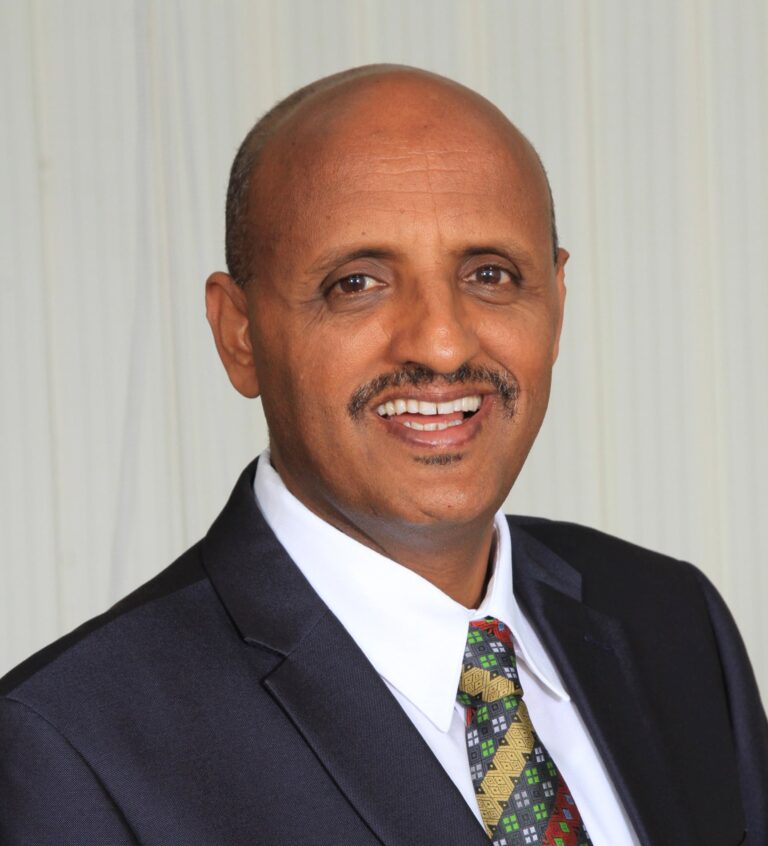
Following various social media page posts, accounts and channels that Ethiopian Airlines CEO, Tewolde G.Mariam fled the country, it is now confirmed that he is still doing his job while on a medical leave in the US.

“I am undergoing medical treatment in the United States and I am working in our office based in the US” Tewolde replied to a media outlet. Sources told Capitalcheck that he was undergoing treatment in the US for the past few months and have been doing work from there.

Parliament to approve dialogue commission establishment

0

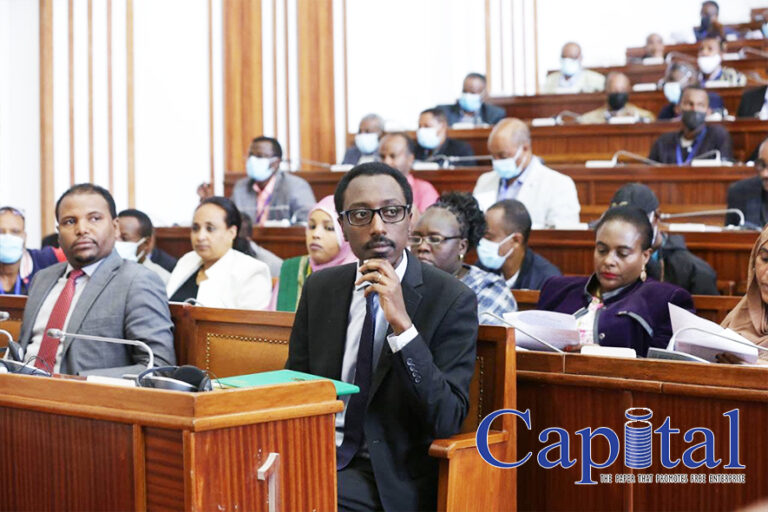
The draft bill to establish the Ethiopian National Dialogue Commission has been tabled to the House of Peoples’ Representatives (HPR), with approval expected to be in a short period, government officials indicate.
On Saturday December 25, 2021, the House of People’s Representative started a public hearing on the overall proclamation and national dialogue to launch the much anticipated all inclusive dialogue.
On its second regular meeting held on December 10, the Council of Ministers discussed the draft proclamation establishing the Ethiopian National Dialogue Commission and passed a draft proclamation in establishing the commission.
The nationwide dialogue is said to bring together the various political interests in the country, in order to facilitate an all-inclusive national dialogue. The commission will be an impartial and independent organ of the Federal Government with its own legal personality and is to be accountable to the House of Peoples’ Representatives.
According to the draft proclamation, the term of the office is three years though if necessary the term may be extended by the HPR. As experts suggest, the dialogue could take from three to five years.
The commission has the responsibility to craft the agenda for the dialogue, organize the dialogues and facilitate deliberations and organize and convene dialogue forums at the federal and regional levels that would bring about national consensus with the participation of representatives of various segments of society drawn from the entire country after identifying and enabling participants to take part at a national dialogue conference in accordance with clear criteria and procedures.
As indicated on the draft, the Commission shall have eleven commissioners, appointed by the HPR based upon nomination by the Prime Minister; also commissioners should not be a member of any political party.
As Indicated on the draft, commissioners have immunity from criminal prosecution during the course of their service unless one is caught in flagrante delicto or one’s immunity is stripped by the HPR.
Regarding the budget, the commission is said to get its budget from the government. Notwithstanding, the Commission may collect fund from other provision legal sources as well.
Demands for a national dialogue have become rather extensive since Prime Minister Abiy Ahmed (PhD) came to power following widespread protests across the nation.
“There are difference in opinions and disagreements among various opinion leaders and segments of society in Ethiopia on the most fundamental national issues and it is a necessity to alleviate and resolve the differences and disagreements through broad based inclusive public dialogue that engenders national consensus,” explains the proclamation to establish the Ethiopian National Dialogue Commission on the importance of the dialogue.
The national initiative for a national dialogue in the country is being run by a consortium of civil society organizations, political parties and the government as an entity under the name Multi stakeholder Initiative for National Dialogue (MIND-Ethiopia). The initiative was launched in August 2020, by eight organizations drawn from civic societies, the government and political parties. Over the past one year, MIND has been holding dialogues at different levels with various representatives of the general public including political parties, local level community members, media stakeholders, historians, and the government.
Since its establishment, MIND Ethiopia has been developing a concept note on the National Dialogue, preparing a strategic plan, setting up an institutional arrangement, developing a code of conduct and communication strategy.

NBE waivers banks’ reserve requirements

0

Coffee traders over the moon with the decision

The National Bank of Ethiopia (NBE) gives a short term two percent waiver for commercial banks on their reserves.
The new decision comes just after a few months of the NBE’s decision which stated banks to increase their reserve requirements to ten percent within three months period from the previous five-percentage.
It is recalled that under the 7th amendment of setting the reserve requirement Directive No.SBB/80/2021 that was issued late August reversing the SBB/55/2013 Directive that was issued on March 1, 2013, NBE ordered banks to double their reserves.
“While as per the latest decision the reserve requirement rate has technically dropped to 8 percent,” a bank president told Capital.
According to the information Capital obtained from bankers, the latest waiver is given for about seven months.
Sources said that the decision was made in an aim to support the coffee trade, “it is harvesting season and the main trading of coffee that started from farmers to exporters is carried out in this coming season thus the decision that was passed by the regulatory body targets to accelerate the beans business.”
Adugna Debela (PhD), Head of Ethiopian Coffee and Tea Authority, welcomes the decision of NBE and said that it is more than the expectation of the coffee sector actors.
In a statement issued by NBE Board of Directors chaired by Girma Birru on August 27, it passed several monetary policy decisions including the revision of banks’ reserve. It said that the board reviewed recent economic and financial sector developments and decided to modify the reserve requirement, the interest rate on individual banks’ lending facility, the forex surrender requirement and the forex retention right.
Besides this decision the government has also suspended the disbursement of fresh loans for all sectors initially and that was easy for very few selected sectors until recently. The general loan suspension has also been lifted recently.
Experts in the financial industry said that the decision of the NBE board to double the reserve requirements was mainly to curb the growing inflation.
Even though its existence would be short, the eight percent reserve requirement has been stated by experts as a new rate in the reserve history.
The country first introduced the reserve requirement through Directive No. SBB/14/96 which became effective on January 1, 1996 with a 10 percent requirement. The highest reserve requirement was 15 percent under the 4th amendment of Directive No. SBB/45/2008, which was effective on April 7, 2008 and lasted till January 1, 2012 to reduce to 10 percent. It is recalled that 2008 and the following years were the period that the country saw the highest inflation ever.
It was recorded that in the first quarter of 2008 the general inflation stood at 60 percent, while the food inflation was at 81 percent.
Due to that at the time besides increasing the reserve percentage the government had applied different monetary and other tools to control the inflation.
The current measure particularly targets to ease the access to finance for coffee bean traders. Coffee contributes to the country about one third of the hard currency from export.
The bean, which is the main export commodity and hard currency in the modern commercial history of Ethiopia, contributed a record USD 907 million in the past budget year that ended July 7. The current year export earning from the bean is also expected to break new record and to surpass a billion dollar revenue.
Recently Adugna told Capital that the performance registered in the first months of the 2021/22 budget year indicates that the country shall easily achieve a billion dollar earning from coffee in which its price has also registered records in the global market due to production reduction in Brazil and logistics related challenges.
Late last week the coffee sector leader, Adugna, told Capital that the case has been raised on the meeting of National Export Coordination Committee for the coffee sector to get special attention regarding access to finance.
“The contribution of coffee for the national economy and export is known, due to that it needs specific attention from NBE and banks. Even though we have been trying our best for the sector to get attention the latest decision of NBE is more than our expectation,” he said.
Adugna said that the NBE decision is a dedicated finance for the coffee sector that will have positive news for suppliers and exports, “it is also timely since it is the peak season for coffee trading.”