The Ethiopian Communication Authority (ECA) and Global Partnership for Ethiopia (GPE), consortium of conglomerates, are formally to seal the license award deal on Tuesday.
Balcha Reba, Director General of ECA, told Capital that despite the signing being held on June 8, it would be ceremonial.
“We are going to hold an official license award ceremony. The license agreement is executed and the required fee is already fully paid,” the founding Director General of ECA elaborated.
The consortium of Safaricom, Vodacom Group, Vodafone Group, Sumitomo Corporation, and CDC Group that is backed by financiers United States International Development Finance Corporation has already settled the USD 850 million to secure the license.
“We have already concluded everything that is required; as per the bid rule, the license award ceremony that includes all parties and invited guests will be held. Based on the bid, the award of the license is supposed to fall within the seven day period following the signage of agreement. To this end, the license was awarded on time and GPE has already wired the fee,” Balcha explained.
It is worth noting that the government had given the final award two weeks ago.
On its proposal a consortium of telecom giants and financial firm proposed to undertake the biggest ever foreign direct investment (FDI) valuing USD 8.6 billion in Ethiopia of which the amount includes the license fee.
The signing would be a symbol for the alternative telecom operator to announce its activity in the country, while the service is expected to be commenced in the beginning of 2022.
Balcha did not reveal who will be the guest of honor at the signing ceremony and the place where the event will be held. Senior officials from the global giants are expected to attend the event.
Few days after the award announcement on its press release sent to Capital it stated that the Global Partnership for Ethiopia was created to bring about transformational economic and social impact in the country.
“The provision of accessible, affordable and high quality mobile and internet connectivity by the Partnership will enable greater social inclusion as millions more Ethiopians access quality telecom services,” it says on its statement, and added that increased connectivity in Ethiopia will also boost the economy, impacting over 1 million jobs with digital training and skills, and bringing about productivity improvements for countless micro-entrepreneurs and small and medium sized enterprises.
Recently, Balcha told Capital that the bid for the second failed award will be floated in the near future with minor adjustment on the former bid document that had very tight criteria to be part of the telecom actor in the country.
MTN, which was partnered with Silk Road Fund and featured as one of the two finalist on the two telecom award process but failed due to it least offer for the license, is expected to be part of the other round bid.
The big deal to be sealed this week
Only digital COVID-19 certificates will be used

Due to the increasing number of fake health documents and rising incidents of forgery detected since the onset of the pandemic, the Ministry of Health has moved to halt the giving of COVID-19 test results by paper means by changing the system to digital which people can receive their COVID-19 test results through a digital certificate. In addition, the ministry has updated its travel advisory which now requires the AU COVID-19 pass for entry and exit.
The COVID-19 test result which is taken locally is highly characterized by false positive and false negative continue to be rejected globally. The new system is therefore expected to decrease the false result.
In view of continued surges of COVID -19 cases in some parts of the world and the need to strengthen health screening at Ethiopian boarders the Ministry of Health has announced that starting June 7, all travelers exiting, entering or transiting through Ethiopia to all destinations shall be expected to present a digital negative COVID-19 certificate.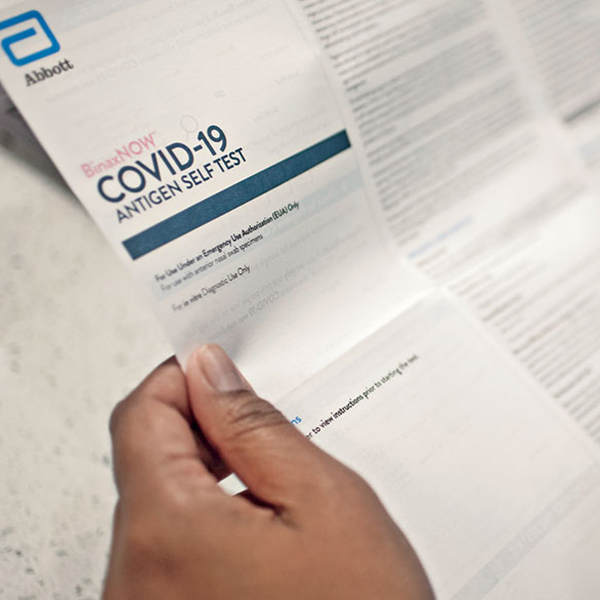
The certificates shall be presented at all ports of entry based on the Africa Union’s Trusted Travel guidelines, and the UNDP-sponsored Global Haven Program. The ministry also added that in the country, all authorized RT PCR COVID-19 testing laboratories have already been registered on the African Union TT system.
“This is as a result of the continued surge of COVID-19 cases in some parts of the world and the need to strengthen health screening at Ethiopian borders for the long-term biosecurity of the country,” Lia Tadesse, Minister for Health said.
The ministry also stated that paper certificates shall cease to be acceptable and only AU Trusted Travel or Global Haven COVID-19 test certificates shall be allowed for exit, transit and entry purposes from July 1.
Airlines have as well been instructed to pre-validate all test results and certificates used for travel purposes before boarding travelers bound for Ethiopia.
In March 2, 2020 the first infected people were found in the country and since then the testing capacity in Ethiopia and world has continued to rise, similarly, more and more asymptomatic individuals have undergone testing.
Though the number of daily tests has jumped from 0 on march to 5000 people on average, more efforts is being looked into to minimize the false positive and negatives. Even if efforts has been made to decrease low test sensitivity, false negative continue to pose much consequential threat and hold priority since they have the power to cause devastating spread since the propagation of the epidemic especially by asymptomatic or mildly symptomatic patients remains high.
But false negatives are not the only errors bedeviling coronavirus diagnostics. False positives, which incorrectly identify a healthy person as infected by the virus, can have serious consequences as well, especially in places where the virus is scarce.
False positives are generally very rare among tests that have been vetted but any test can be plagued by contamination, mishandling or technical glitches, leading a device to spot the coronavirus where it is not. However, in retrospect false positives may seem relatively harmless in comparison with their false-negative compatriots.
Ethiopia has thus far registered 272,246 positive coronavirus cases and 4,185 deaths.
Tele Birr on path to become Ethiopia’s top digital wallet

In its very first month of introduction, Ethio telecom’s mobile money, Tele birr, has garnered 3.1 million customers who have registered on to Tele birr platform. With this swift registration, it is a surefire bet that Tele Birr is well on its way to become the leading digital wallet in the country. According to the USAID 2021 report, the two biggest digital wallet services are the CBE birr which was inaugurated in 2017 and Amole in 2018, both having 3.6 million and 3.5 million subscribers respectively.
By harnessing a regulated financial flow, which in turn will increase the overall development of the country and individuals through its contribution to increased savings, encouraging entrepreneurship and investment and boosting the economy; the number is expected to reach 12 million customers within one year, according to the CEO, Frehiwot Tamiru. To upsurge its operation Telebirr will start its transaction in a few days through commercial banks including Commercial Bank of Ethiopia and bank of Abyssinia in few days.
Apart from bridging the financial inclusion gap in the country within the coming five years, Tele birr’s transaction is expected to reach 3.5 trillion birr, Ethio telecom claims. In addition, this is expected to develop into a podium that moves 40 to 50 percent of Ethiopia’s GDP within the next five years has started its
Tele birr is an innovative mobile money solution for Ethio telecom customers, the solution allows customers to store, send, receive, transfer and spend money through an electronic account using their mobile phone.
The service will also allow customers to receive money from diaspora, cash-in, save money, access loan, link bank account to Tele Birr wallet and vice versa and will feature a manage Tele Birr account. Tele birr also provide mobile payment services generally to payment services operated under financial regulation locally and internationally, pay bills for example for school fees, utility bills (water, electricity), DSTV to which transactions can be performed from or via a mobile device. Moreover, Tele Birr will allow users to cash-out, buy prepaid airtime, SMS, voice, data bundles or customer can pay a direct connect account and for other Ethio telecom subscribers, they will be able to make secure online payments. Instead of paying with cash, cheques, or credit cards, a consumer can use a mobile device to pay for a wide range of services and digital or hard goods.
Besides working on the operation of Telebirr, Ethio-Telecom, the giant telecom service provider in the country is aggressively working to protect its market share as it is working to expand its 4G LTE advanced network coverage. Ethio telecom is also planning to launch 5G service by 2022. Currently, Ethio telecom has 54.5 million customers from which 36.3 million of them are internet service users. According to the state telecom operator, the total network coverage of the country has reached 95 percent.
On similarly news, this week and within a week’s gap, Ethio telecom has launched 4G LTE Advanced service in the North East Region in six towns of Dessie, Kombolcha, Weldia, Hayik, Kemissie, Kobo & Lalibela; and in the North East-east Region in four towns of Samara, Asaita, Logia and Awash sebat Kilo. “With the high bandwidth and high-speed features of 4G/LTE services, we hope will enable and empower our customers to digitize their services, increase productivity and improve their experiences,” stated the firm’s CEO.
Beside its support to increase financial strength and service advancement of the company as Frehiwot said, 4G LTE Advanced expansion also supports digital inclusion. Data traffic growth and demand based 4G/LTE expansion in Addis and regional towns is among the major strategic initiatives set out in the three years company strategy.
So far the state telecom operator has launched 4G LTE advanced services in 44 towns in different regions over the country. Until the end of the current fiscal year Ethio telecom has planned to reach 103 towns with its 4G LTE Advanced service.
ZamZam, the full-fledged IFB opens
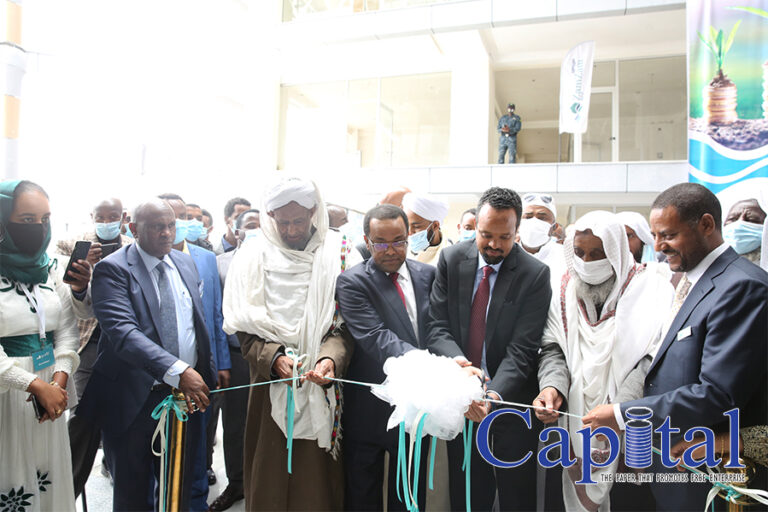
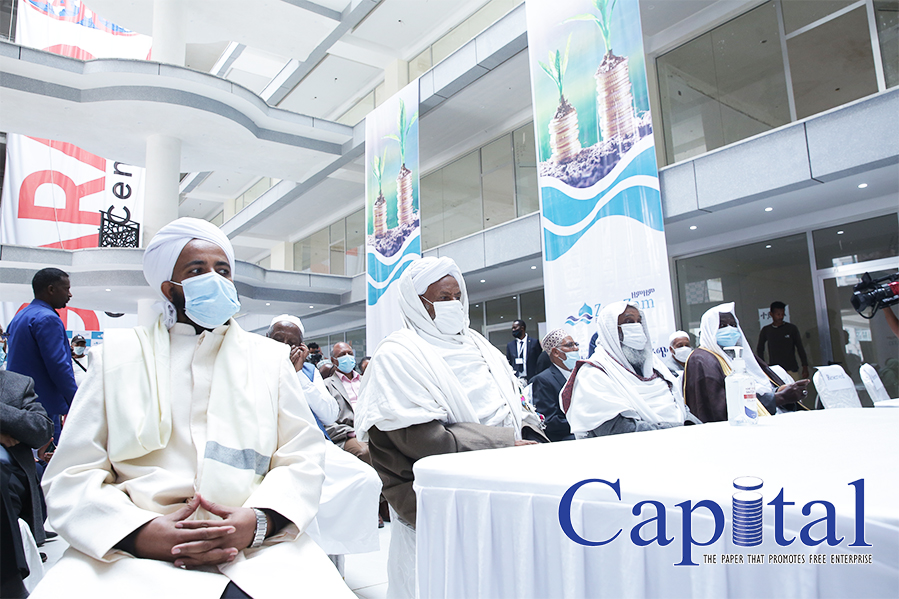
ZamZam Bank officially started its service as a full-fledged interest free banking in the country. This makes ZamZam the first Bank of its kind joining the financial sector to operate under Sharia principles in which all forms of interest are barred. The opening of ZamZam
Bank will enable financial inclusion of the society that has been seeking a full-
fledged interest free financing.
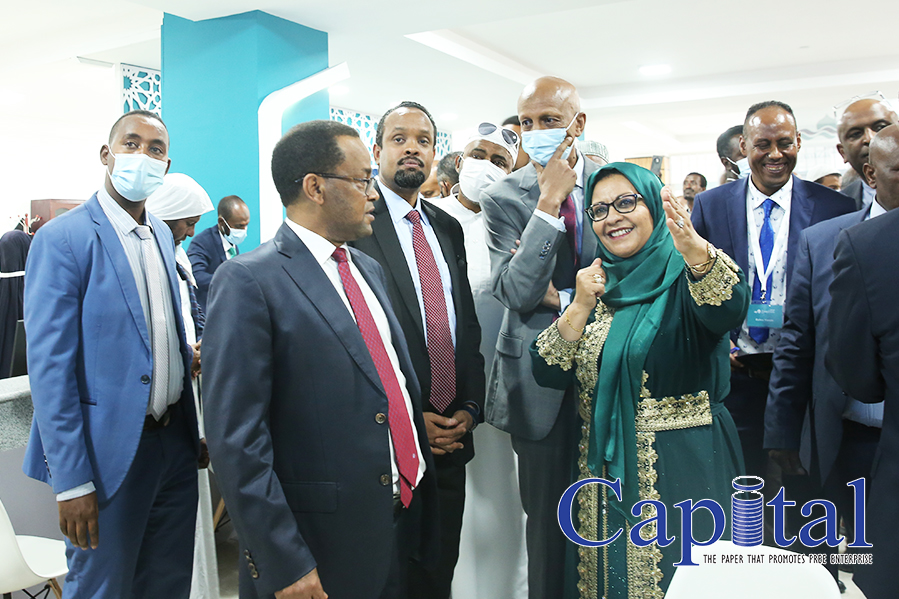
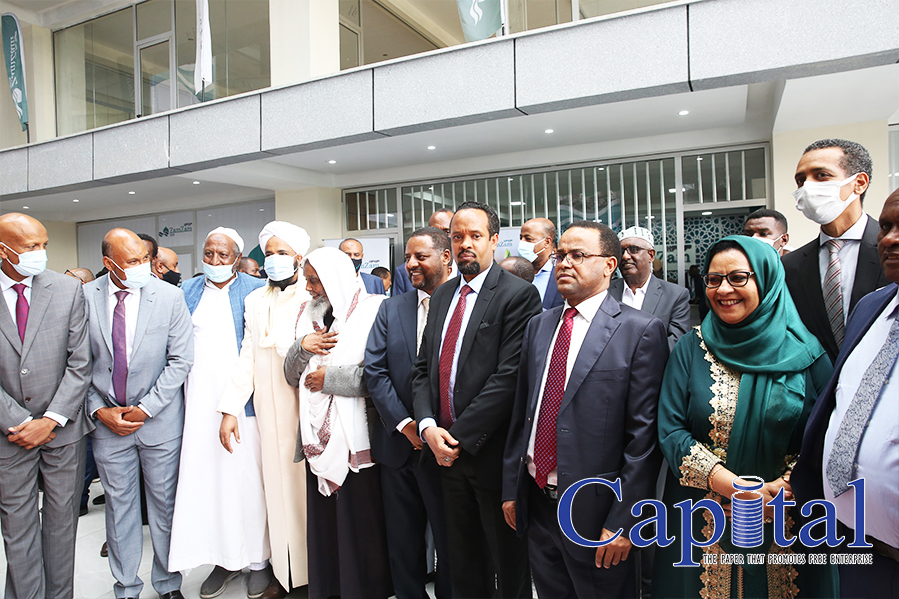
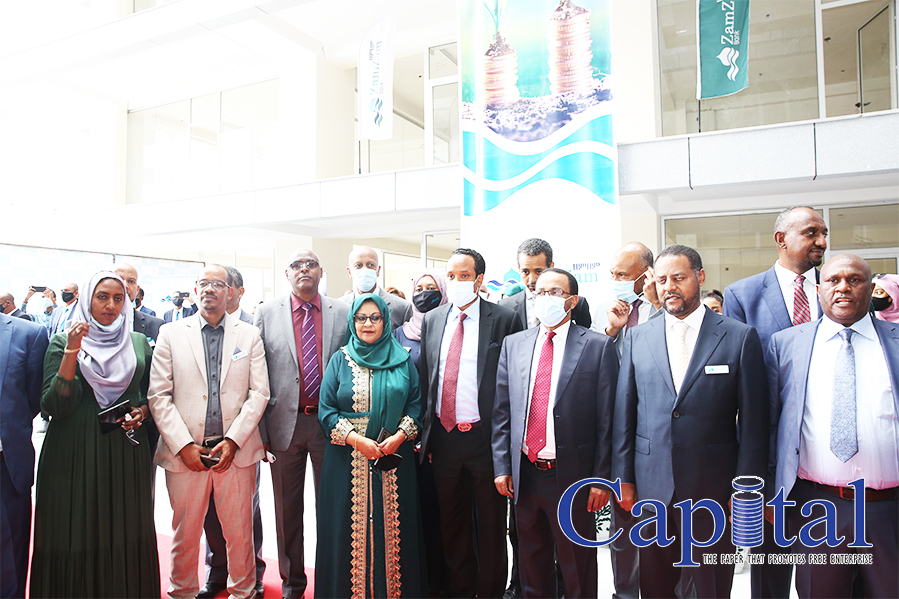
ZamZam’s main Branch, Alif, located at Wollo Sefer roundabout was officially inaugurated in the presence of Ahmed Shide, Minister of Finance, Yinager Dessie, Governor of the National Bank of Ethiopia and other invited guests.
Alif branch offers interest-free banking services, with customer convenience. ZamZam has invested in fully equipping its services with up-to-date technology, while further developing its digital fintech solutions.
ZamZam Bank will work to provide convenient banking solutions to its customers, in
line with the bank’s vision of becoming the leading Sharia-Compliant and an all-inclusive
bank in Africa.