

One of the leading global logistic solution providers gets to Ethiopia to develop the Ethiopian side of the road linking Ethiopia to Berbera into one of the major trade and logistics corridors of the Country’s international trade routes.
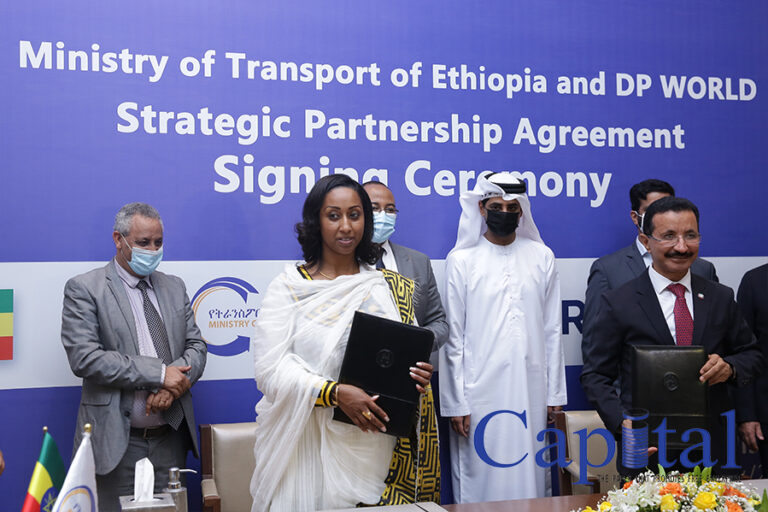
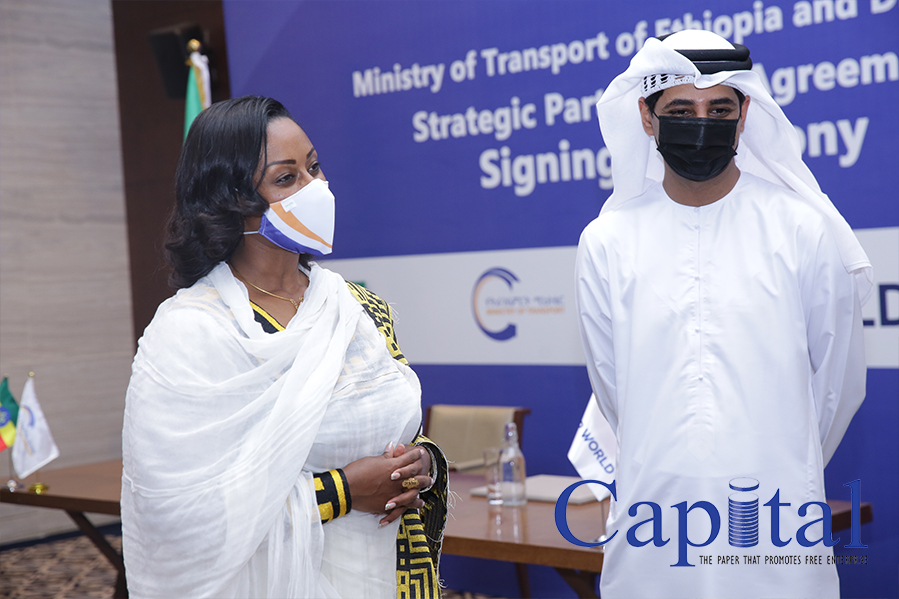
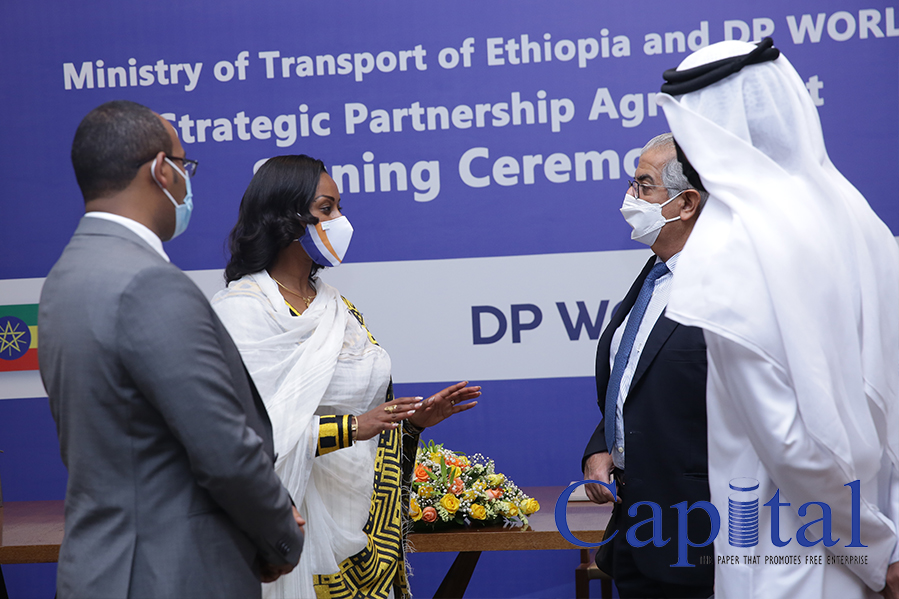
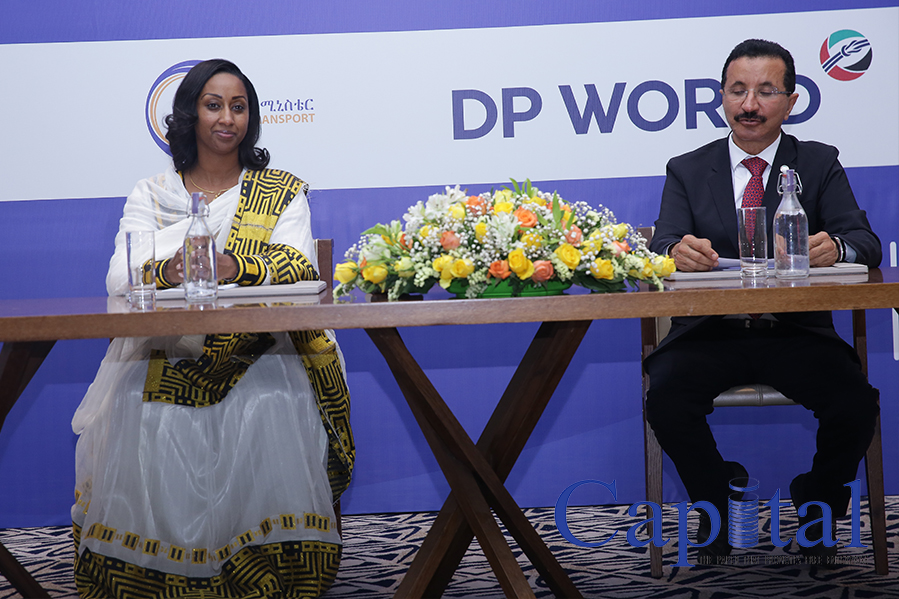
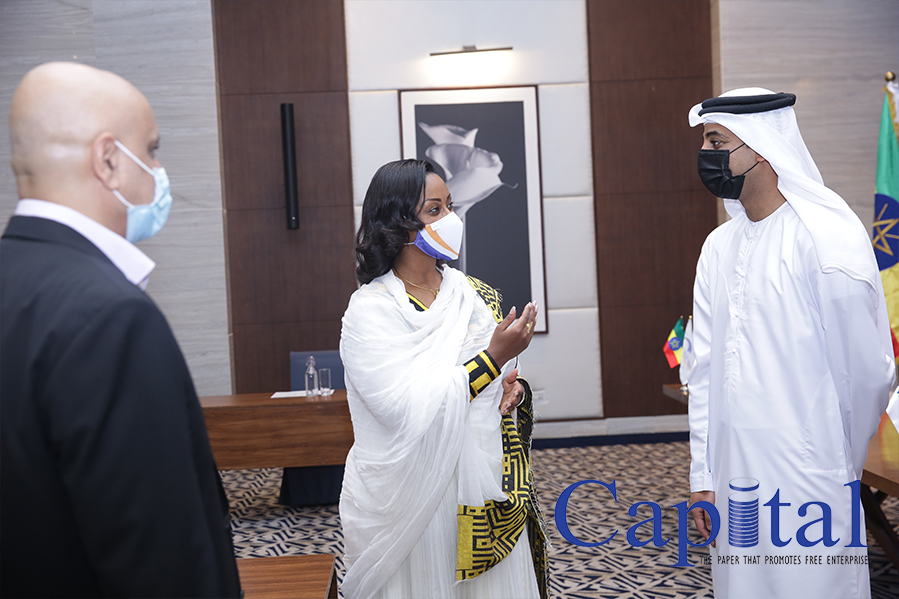
On May 6, 2021, the Ministry of Transport signed the first Memorandum of Understanding (MoU) on the logistic service with DP world to determine the potentials for developing logistics infrastructure and the provision of end to end logistics services along the corridor to unlock major economic benefits for Ethiopia. Dagmawit Moges, Ethiopia’s Minister of Transport, and Sultan Ahmed Bin Sulayem, Group Chairman and CEO of DP World have signed the agreement.
“Utilizing the Berbera corridor will surely have a potential to make Ethiopia a front runner in logistics operations since the industry is expected to play the leading catalytic role to the national growth,” said Dagmawit Moges Minister of Transport, adding that, “Ethiopia aims to diversify its port access facilities and services to improve its trade corridor access routes. Perhaps the development of this Corridor will not only meet with the growing demand of Ethiopian’s international trade, but it would also enhance our Nation’s capacity in utilizing our existing major corridor both in terms of volume of trade and efficiency.”
By investing up to 1 billion dollar, over the next ten years in developing the supply chain infrastructure along the corridor it is proposed that the Parties would establish a joint venture logistics company to perform logistic operations from origin to destination, DP World will offer services from Ethiopia up to Berbera Port, while for imports, from the port of loading to the delivery of shipments in one of the dry ports in the hinterlands or the final destination of the consignees.
Services include dry ports, silos, warehouses, container yards, cool and cold chain depots, freight forwarding and clearing activities and infrastructure developments including implementation of the IT infrastructure and technology.
“The development of the port will create new jobs, attract new businesses and investment along the corridor, as well as diversify and strengthen the country’s access to international trade by having a direct, seamless and efficient link between Ethiopia and Berbera Port,” said Sultan Ahmed Bin Sulayem, Group Chairman and CEO of DP World.
The road infrastructure that will connect Berbera Port to Wajaale at the border with Ethiopia, funded by the Abu Dhabi Fund for Development and the UK’s Department for International Development, is expected to be completed by the end of 2021. The road will link the existing modern highway on the Ethiopian side and will further position Berbera as one of the key trade gateways in the region and will be one of the fastest and most efficient routes for Ethiopian transit cargo.
DP World has committed to investing up to US$442 million to develop and expand Berbera port, with the first phase nearly completed. Further work is already underway on expansion of the quay to 1000 metres which will increase capacity to two million TEUs, operated by 10 quay cranes.
Global logisticians called in to unlock trade routes
DP World launches e-commerce platform to simplify global reach
DP World launches, a global wholesale e-commerce platform opening a new digital trade corridor for Ethiopia.
“DUBUY.com brings efficient, reliable B2B e-Commerce to Ethiopia marketplace with end-to-end supply chain solutions for the continent and beyond, Enables market access for local and international companies,” stated Mahmood Al Bastaki, Chief Operating Officer of Dubai Trade World adding that, “DUBUY.com is an online marketplace that will help to unlock access to global markets for small and medium-sized Ethiopian enterprises, with fulfilment through DP World’s worldwide ports and logistics network.”
The commercial platform will serve as an online marketplace that will help give access to global markets for small and medium-sized Ethiopian enterprises, through DP World’s worldwide ports and logistics network reach.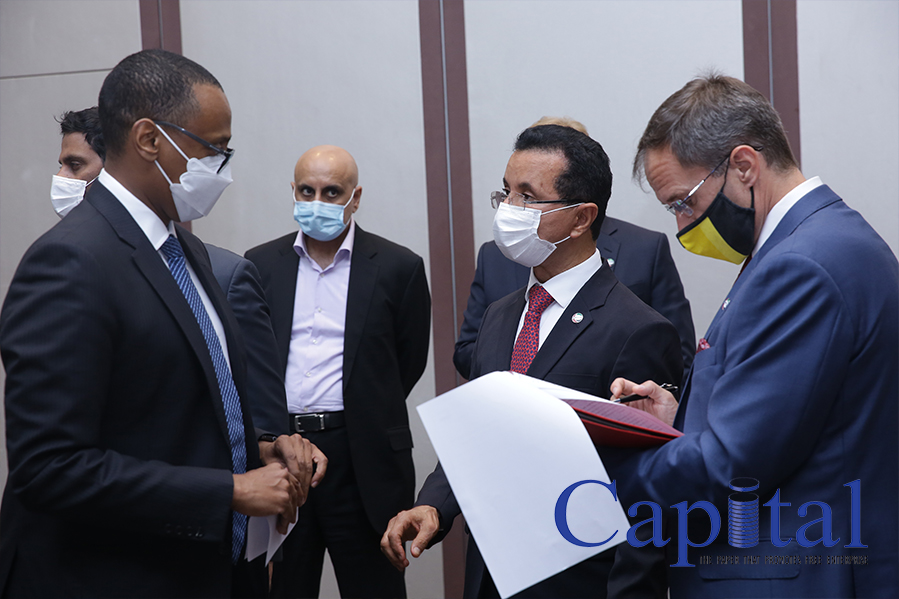
DUBUY.com began operations in Rwanda with plans for rapid expansion across Africa and beyond. Ethiopia is the second largest market in Africa by population size and the platform will aim to capitalize on that.
The combination of DUBUY.com with DP World’s physical logistics infrastructure and data-driven logistics solutions will solve some of the key challenges to the growth of e-commerce on the continent, including reliable fulfilment, secure financial transactions, and the movement of goods.
DUBUY.com represents a new model of trade in Africa, designed to strengthen its existing potential and open businesses and markets organically by enabling trade and supplying innovation. This technology allows home grown businesses to become international manufacturers and exporters by linking them with new markets in Africa and the rest of the world.”
The DUBUY.com platform offers a one-stop-shop, ensuring all transactions on the site are secure, from onboarding only trusted suppliers through to integrating leading payment service providers. There are pre-negotiated, heavily discounted shipping tariffs in place, with weekly console boxes moving between origin and destination with guaranteed transit times and incentivized shipping costs. The shipping methods are also customized according to the scale of each transaction and the urgency of shipments. This all adds up to create a platform which is agile, responsive and will enable Ethiopian entrepreneurs to fully benefit from the advantages of increased access to world markets.

Mineral trading to soon debut on ECX
The new era is dawning on the Ethiopian Commodity Exchange (ECX) by introducing strategic mineral trading at its platform besides the traditional agricultural commodities.
The mineral, which currently is backward and offers less contribution for the GDP, will soon change the narrative when trading begins for the first time on the platform on such kind of facility and scheme.
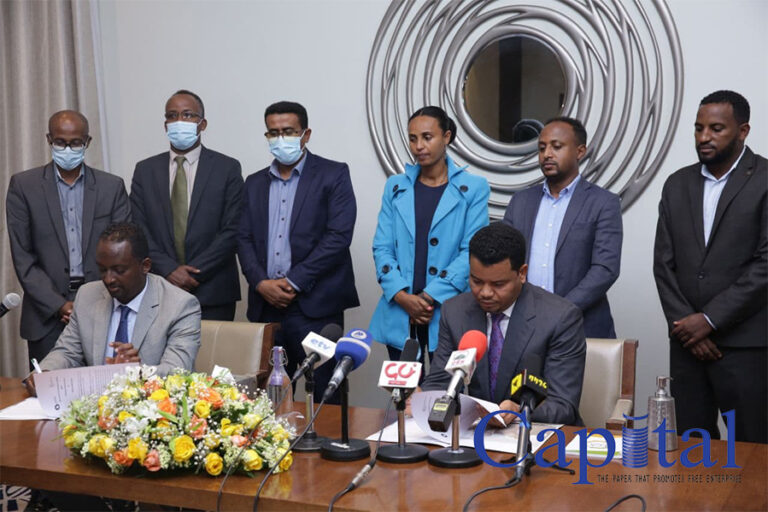
On Friday May 7, the Ministry of Mines and Petroleum (MoMP) and ECX signed a Memorandum of Understanding (MoU) to trade strategic minerals on the ECX trading Platform. The statement ECX sent to Capital stated that the MoU would uplift the mineral trading to be managed on a modern system.
It added that the new path of putting the sector on the system will enable the country to provide the natural commodities to local and international market with high end quality.
The electronic trading platform will introduce the trading of the new type of commodities under the mining trading strategy to benefit the sector actors on its transparency approach.
Under the MoU, the two parties have agreed to work jointly on products international standards and contracts, and developing trading standards, models, market linkage and tracing, processing rules and directives for national mineral trading scheme. Such standards will be developed for different mineral like opal, emerald, sapphire, tantalum, lithium, potash, and others by experts and laboratories comprised from both organizations.
Netsanet Tesfay, Public Relation Head at ECX, told Capital that such activities have already commenced by the two entities.
Assure the intervention of all trading actors on the sector; revising MoMP’s regulatory frameworks to manage the trading properly, digitalize the trading and make inclusive the trading for regional and international players are the areas that will be conducted in the coming months.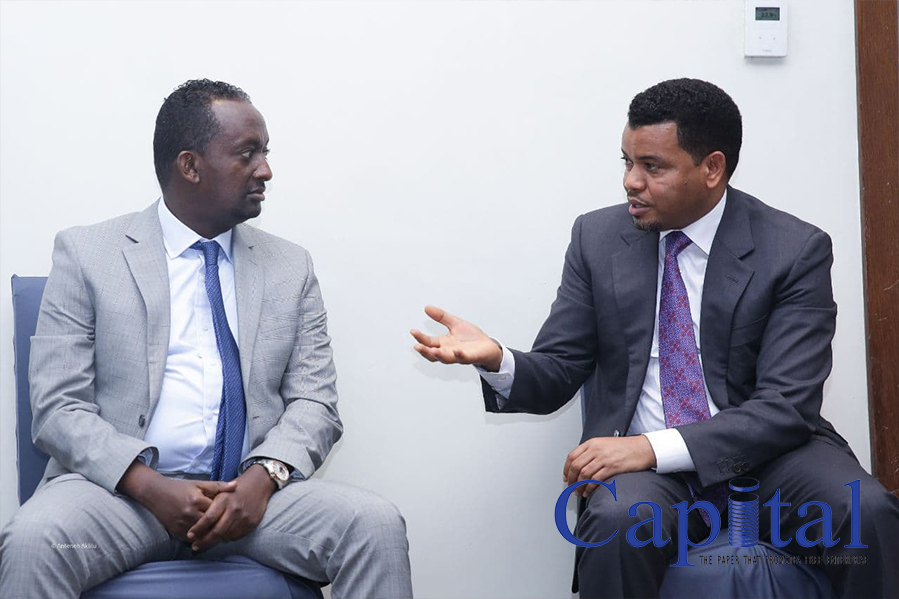
According to the plan trainings in related with qualities production, understanding the trading and understand and evaluating the international market and other will be providing for trading actors.
Netsanet said that the trading will be commenced in a couple of months’ time since preoperational works also includes other stakeholders to follow through as per the schedule. He said that some of the preparation might need the involvement of others, “for instance the legal framework development might include others.”
The current political leadership is taking new paths on the development of the mining sector that was neglected in the past. In the ten year economic development plan, the sector has got prior attention like other major sector to expand its contribution for the economy, job and GDP.
Takele Uma, Minister of MoMP, and Wondimagegnehu Negera, CEO of ECX, have signed the MoU.
“The agreement is to leverage the exchange for commodities such as precious gemstones. This better facilitates international trade by enhancing supply, reducing illegal trade, and creating sustainability,” Takele said.
The minerals that have joined ECX platform would be exportable products. “Starting the trading via ECX will allow the earnings and destinations to be expanded since the quality and the source of the commodities will be clearly seen on the process,” experts explained at the signing ceremony.
Currently, ECX manages the trading of 12 commodities, while almost all of them are food items.
A week ago, Capital reported that ECX was to introduce the trading of spices for the first time at the platform besides the second industrial product, cotton.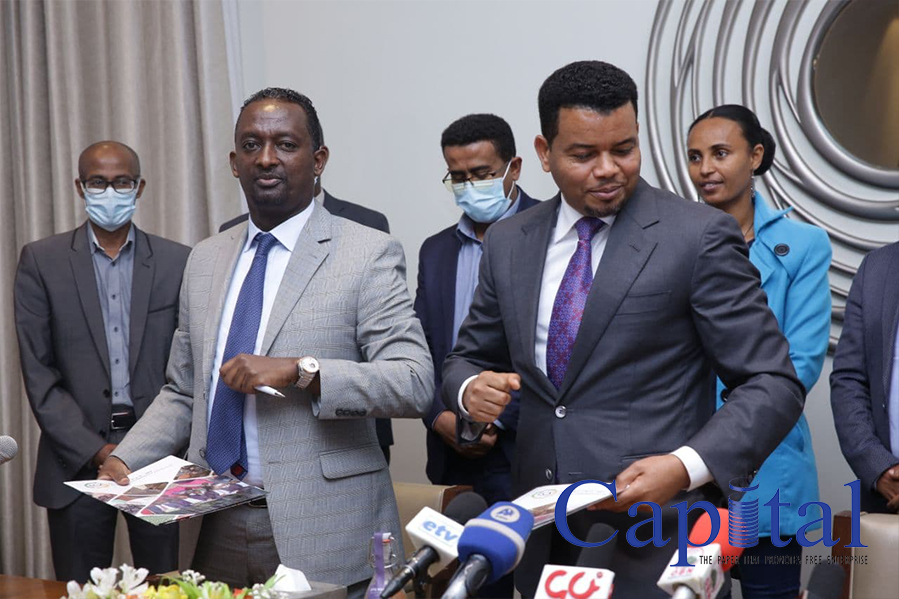
Currently, the spot trading platform is trading soybean, which is considered as an industrial input. The coming of cotton and mineral will make the trading scheme as partner for industries.
In the coming year, the modern trading facility that commenced operation in April 2008 has targeted to include nine agricultural commodities including spices and cotton.
Ethiopian leaders discuss GERD and regional issues across the continent

Ethiopian leaders recently traveled across the continent meeting leaders in order to clarify Ethiopia’s stand on the regional issues and Grand Ethiopia Renaissance Dam (GERD).
On May 5, President Sahle-Work Zewde held discussions with Niger President Mohamed Bazoum in Niamey.
On her trip to Niger, which is a nonpermanent member of the United Nations Security Council (UNSC), the president clarified the current situation on talks about GERD and current situation in Tigray regional state and border dispute with Sudan.
Deputy Prime Minister and Minister of Foreign Affairs (MoFA), Demeke Mekonnen, in Pretoria met with the President of South Africa, Cyril Ramaphosa.
According to MoFA the two discussed current affairs in Ethiopia, in the region and bilateral issues. Demeke emphasized Ethiopia’s firm commitment to continue the negotiations under AU framework and reach a mutually acceptable outcome to the three countries.
In his office Demeke had also held discussions on Tuesday May 4 with Comoros Foreign Minister, Dhoihir Dhoulkamal on bilateral issues and the tripartite talks over the GERD.
MoFA stated that on the occasion, the Foreign Minister of Comoros said that Comoros is keen to strengthen relationships between the two countries, particularly in culture, industry, vocational training, and the medical sector, including in efforts to fight COVID-19.
He also said he had meetings with the leaders of Egypt and Sudan to talk about the GERD negotiations as a member of the AU Bureau and because Comoros considers the interests of the three countries as its own.
Redwan Hussien, State Minister of MoFA has also briefed ambassadress of the UN Security Council and South American countries on pivotal issue of the country. Regarding the GERD issue, Redwan said that Sudan’s concerns are adequately addressed and Foreign Ministry of Egypt has also admitted in his recent address to the parliament that the dam would cause not significant harm to Egypt.
He said the viable way out to end the impasse over the GERD talks is to continue and finalize the AU led tripartite negotiation process under the chairperson of the DRC president. He expounded on the understanding reached to enhance to role of observers and experts to assist the DRC chairmanship in moving the process forward.
Ethiopia frequently expressed its desire to develop on mutual trust and on a win-win approach. Recently, it has invited the two downstream countries to nominate dam operators for data exchange before the filling of the GERD in the coming rainy seasons on the aim of confidence-building measures among the three countries on the project.
