

The Ethiopian Petroleum Supply Enterprise (EPSE) says the coming of new floating storage by Red Sea Bunkering shows an additional vigor for the Ethiopian benzene import.
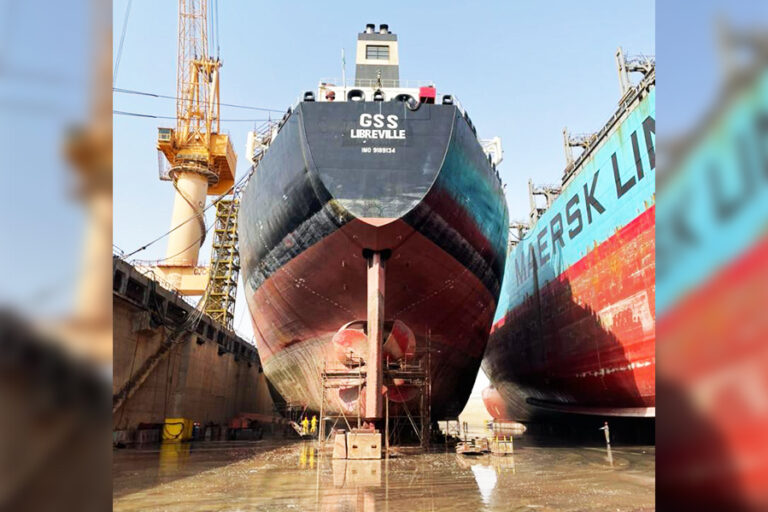
Two weeks ago, Red Sea Bunkering, Great Horn Investment Holding Group’s company throughDjibouti Ports and Free Zones Authority (DPFZA), announced that it has just acquired a 227 meter tanker vessel with a deadweight tonnage (DWT) of 73,000 for its service in the international maritime hub and regional countries.
In the third week of last month, Aboubaker Omar Hadi, Chairman of DPFZA, said,“We are going to use, partly, the vessel as floating storage, for Djibouti and neighboring countries oil imports.”
For the importation of its refined petroleum, Ethiopia is using Horizon Djibouti Terminals Ltd, which operates with its maximum capacity.
There is also a project that the DPFZA carried out at Damerjog, south east outskirt of the capital of Djibouti, in order to meet the growing demand of the oil storage for Ethiopia and other countries.
About the floating storage vessel, the DPFZA Chair said that it is important for Djibouti and neighboring countries oil imports, “Until we complete Damerjog oil storage, by next year,” he emphasized.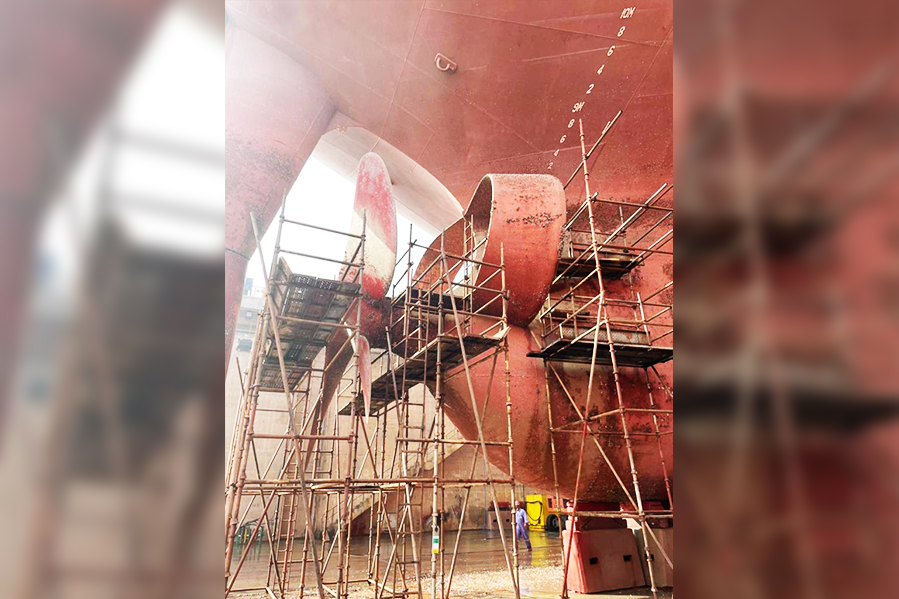
Recently, Ahmed Tusa, head of Petroleum and Petroleum Products Supply and Distribution Regulatory Authority, told Capital that the Ethiopian government had discussed with Djibouti about enhancing the capacity of oil storage in the port country with different alternatives. He reminded that the new facility at Damerjog remains a good initiative for the growing demand of Ethiopia.
Tadesse Hailemariam, CEO of EPSE, mentioned the latest information about the coming of the floating as good news for the sector in Ethiopia.
He said that it will have a good opportunity to accommodate the storage of Ethiopian benzene.
He reminded that about 90 percent of benzene product was imported from Sudan, which is now cut because of low production in its refinery of which it has now started importing the refined production.
“Now most of our benzene is imported via Djibouti, while the Horizon terminal is mainly serving other petroleum products,” Tadesse told Capital, “due to that there is storage limitation at the port.”
“In the past Djibouti had allocated limited storage for our 10 percent benzene import that was mainly distributed in the eastern part of the country but we are now moving most of our import via the major port destination for Ethiopia,” he added.
The CEO said that floating storage as an alternative can use old vessels to do similar work which is common practice in the liquid logistics industry in the world.
“Horizon is serving mainly for our non-benzene oil, thus we need to get storage for benzene. Currently, Djibouti allocates 10,000 cubic meters for benzene storage, which is about four days consumption for Ethiopia,” he says, “hence the floating berth that may have a storage capacity of up to 60,000 metric ton making it beneficial to us.”
Red Sea Bunkering floating storage has a capacity of 73,000 metric tons.
According to the sector experts, the coming tankers shall transfer the product to the floating storage which will then be transferred to the port then to the country.
“Actually there are floating tankers, who build for storage purpose, or vessels that become aged shall give such service,” the petroleum industry expert said.
Tadesse said that Djibouti has an expansion on the petroleum terminal, “besides that they are in activity to connect the oil terminal to the railway line like how Ethiopia commenced on Awash.”
Red Sea Bunkering’s General Manager, Abdi Ismail Kahin, said that the tanker was part of Red Sea Bunkering’s mission to transform Djibouti into an ‘international bunkering hub’ once again.
Kahin in February said that the facility was scheduled to be in operation by the end of March. Kahin said that when it comes online: Red Sea Bunkering will be the sole company in the region with such an asset. This new hub will create new storage, trading and supply opportunities for Djibouti and in the region.
Red Sea Bunkering is the government sole physical supplier of Djibouti established in 2015. It does bunker supplies onshore and offshore.
Between mid 2015 and 2020, Red Sea Bunkering has supplied fuel oil and gasoil to over 5,000 vessels. Part of the formation of Red Sea Bunkering has brought back Djibouti as a leader on bunker map in the region, Djibouti had previously been an important bunkering centre for ships transiting the Suez Canal – but then ‘due to the closure of the Suez Canal between 1967 and 1975 the bunker business also shut down, and a new ship route around the Cape was opened up.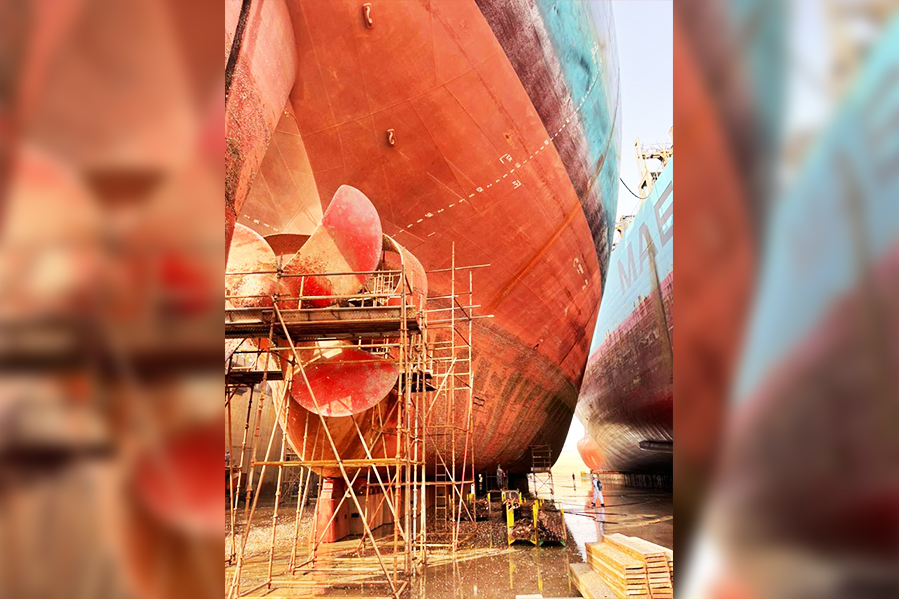
Djibouti Damerjog Industrial Park is the massive project that will accommodate oil storage, industries, floating refineries and other facilities that will be developed in different phases.
In related development, EPSE announced that almost all of the oil companies have signed the contract in order to commence the petroleum supply under the new scheme that forced the companies to buy the energy on cash based modality.
Tadesse told Capital that about 95 percent of the companies have signed the new contract. But he said that the provocative situation in the oil market need further measures to calm the sector activity.
“When the new regulatory organ, Petroleum and Petroleum Products Supply and Distribution Regulatory Authority, becomes fully capable with qualified professional, uses technologies and issues different rules and directives, the sector may see progress,” he expressed his hope by recommending, The using tank gagging system for retailers and GPS for oil trucks which would be emplaced when the sector shall be modernized.
He also recommended for the improvement of storage capacity of old dealers’ centers located at the heart of the capital city and other old towns. Investment on the sector is stated as crucial. Currently, there are only 130 oil dealers in Addis Ababa which in the least are supposed to be 500.Improving profit margin should be considered as a long term strategy to encourage the private sector involvement in the energy business.
New floating storage to enhance trading and supply opportunities
African body Caf undergoing third audit in 18 months
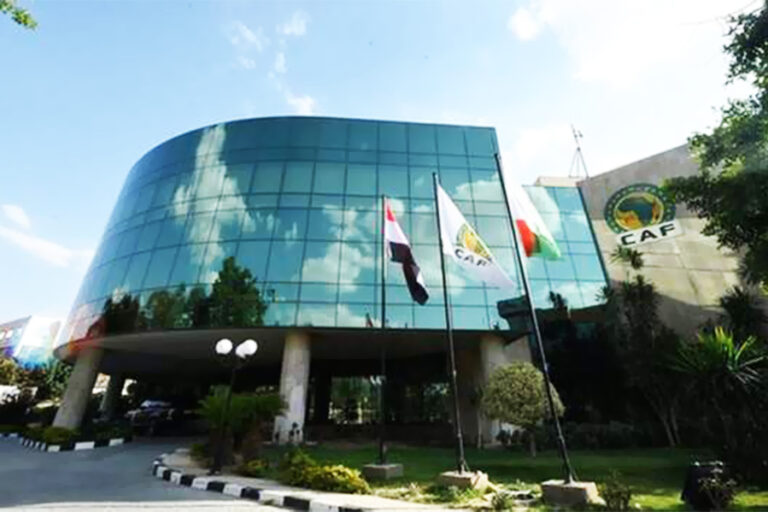
The Confederation of African Football (Caf) is undergoing its third audit in eighteen months, the body’s Executive Committee has announced.
The audit was commissioned by Caf’s new Secretary General Veron Mosengo-Omba, the former Fifa employee who was appointed to his role on 13 March.
The Swiss-Congolese made his request shortly after arriving at Caf’s headquarters in the Egyptian capital Cairo.
“He came to Cairo the week after his appointment and put [the audit] in place immediately to assess the exact situation of the administration,” Caf’s Communication Director Alex Siewe told BBC Sport Africa.
“It is not just financial. It is covering the whole organisation and the way we operate.”
The audit – whose results ‘are expected at the beginning of May 2021’ – is being carried out by Pricewaterhouse Coopers (PwC).
PwC’s audit of Caf between September and October 2019 – which was finalised in November 2019 – revealed an organisation in a state of disarray.
The investigation – which was reported as being a joint decision by both Caf and Fifa questioned the former’s governance, payments and accounting, which was described as ‘unreliable and not trustworthy’.
Among other details, the audit highlighted transactions totalling more than $20m which either had “little or no supporting documentation” or were considered “higher risk”.
The body’s workforce was described as “understaffed”, “overworked” and “demotivated”.
A second audit was then conducted in early 2020, some of which was used in the ethics case which resulted in the ban of former Caf president Ahmad.
2021 African Nations Cup dates confirmed
The dates for the much-delayed 2021 Africa Cup of Nations, which has been postponed a year, have been confirmed as 9 January-6 February 2022.
The draw for next year’s finals in Cameroon will be held on 25 June, with the sole remaining place at the finals to be contested earlier that month when Benin play Sierra Leone in a Group L tie delayed by a Covid row.
Having worked across Africa for many years in his previous role as Chief Officer of Fifa’s Member Associations division, Mosengo-Omba knows the continent well and has identified infrastructure as a key concern.
“It was agreed that the improvement of several infrastructures will be a priority for Caf and a detailed plan will be presented at a short term,” African football’s governing body said in a statement.
Mosengo-Omba reportedly described the ‘state of degradation of infrastructure … which do not or no longer offer the guarantees and aptitudes to host Caf competitions, in particular the Africa Cup of Nations’.
Caf appointments
The ExCo meeting also confirmed the new role for Ivory Coast’s Jacques Anouma, who was once a candidate for the Caf presidency before being persuaded to abandon his bid in the interests of ‘African unity’.
As part of the arrangement, South Africa’s Patrice Motsepe was effectively appointed Caf president while two former rival candidates – Augustin Senghor of Senegal and Mauritania’s Ahmed Yahya – assumed vice-presidential roles.
Long rumoured, Anouma’s status as ‘Senior Special Advisor to the President’ has now been officially confirmed by Caf, who also stated that Danny Jordaan will help his compatriot Motsepe as ‘Advisor in charge of Competitions and Marketing to the Presidency’.
Veteran ExCo member Hany Abou Rida of Egypt and Nigeria’s Amaju Pinnick have been appointed members of Caf’s Emergency Committee, a small cabal who have the ability to take executive decisions.
Elsewhere, Morocco’s Faouzi Lekjaa will continue his former role as Chairman of the Finance Committee, while Somalia’s Football Federation president Abdi Qani Said has been co-opted on to the ExCo.
Ethiopian Korea War Veterans
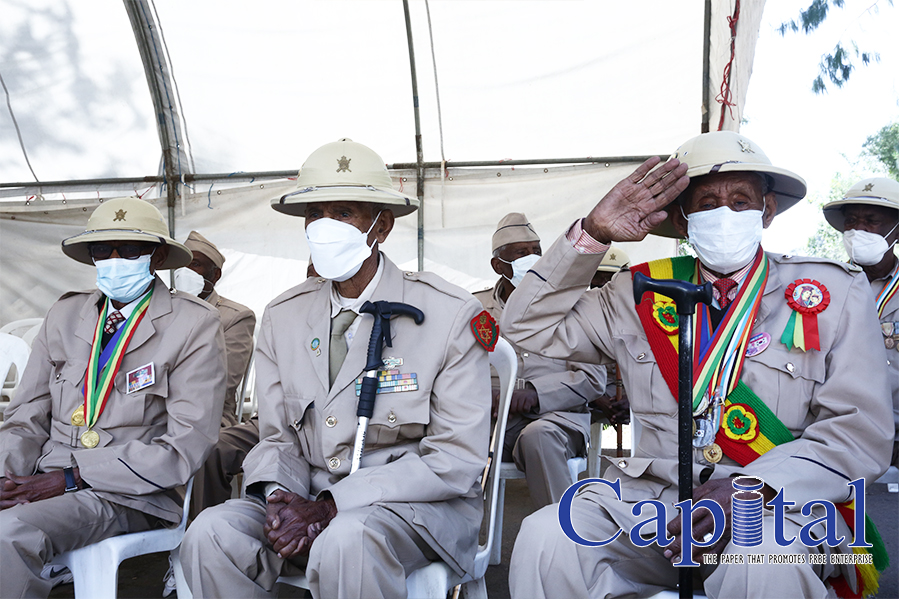
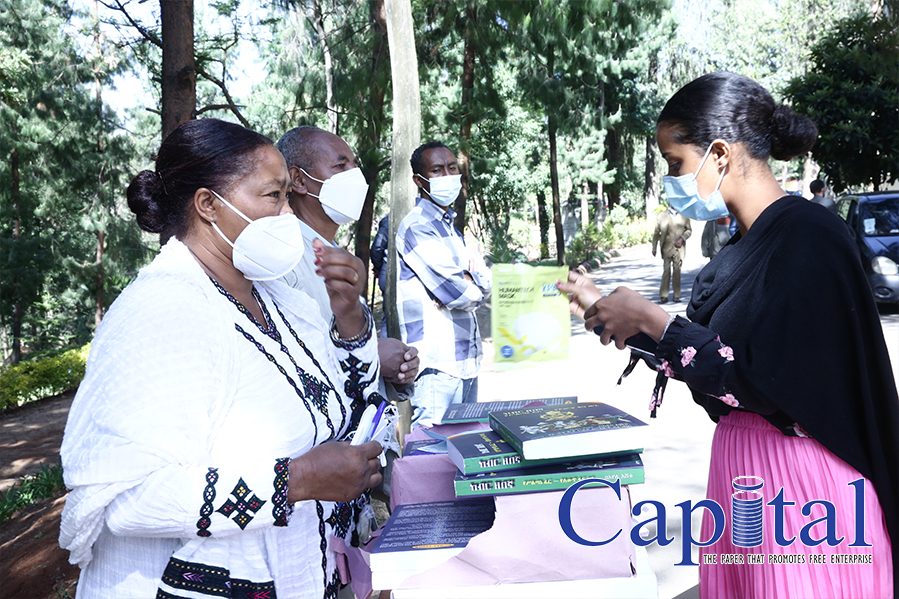
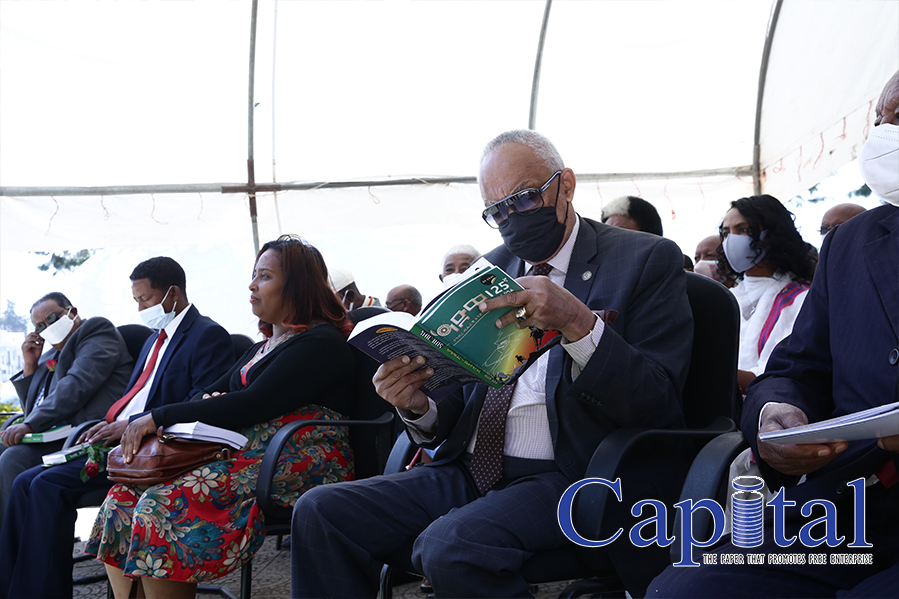
The Ethiopian Korea War Veterans Association inaugurated a book entitled “Kibur Zebegna Yesilitane Fer Yelewut Fana Wegi” showcasing the Ethiopian Imperial Bodyguard from its inception to its demise.
The book was inaugurated at the Ethiopian Korea War Veterans Association Memorial Park on Saturday March 27 in the presence of members of the association and other invited guests.

Africa Cup of Nations qualifiers what we learned
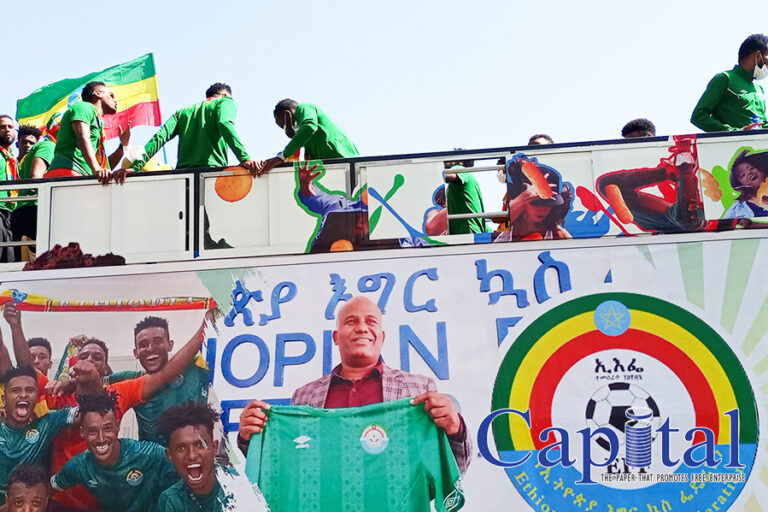
We know 23 of the 24 teams that have booked their places in the upcoming African Cup of Nations finals to take place in Cameroon in 2022.
The 24th remains to be decided after Sierra Leone’s game with Benin was postponed in the wake of five members of the Benin team testing positive for Covid – findings Benin dispute.
Nevertheless, that one piece aside, the puzzle is now complete: we now know the shape of the tournament set to be held in Cameroon in January next year – which will still to be called Afcon 2021.
And over the final two games, we learned a lot about the finalists.
Group G for Gosh
Many people would have picked seven-time Cup of Nations champions Egypt as the winners of a group containing the Pharaohs, Kenya, Togo and tiny Comoros. Very few would have picked that Comoros would come second.
A 0-0 draw between Comoros and Egypt in the opening game seemed to suggest that Egypt might be unexpectedly bad. In fact, it was an indication that Comoros were unexpectedly good.
Their coach Amir Abdou, appointed in 2014, has quietly been going about gathering more and more players from the diaspora to play for the team.
And from that superbly-achieved point at home in their first game, Comoros rampaged their way through the group, undefeated until the last game against Egypt in Cairo, by which point they had already qualified.
How far Comoros might go in Cameroon of course remains to be seen – but perhaps they can look to their neighbours Madagascar, who got to the quarter-finals on their debut last time around, for inspiration.
Revelations of the qualifiers
Comoros were not the only country who have taken advantage of Caf’s expanded Finals format, which now allows 24 teams to qualify.
The Gambia stunned everybody in African football when the sat top of Group D, ahead of Gabon and DR Congo, having never before had any history of success in the continental competition.
It was certainly one of the biggest surprises of the qualifiers – with the Scorpions totalling three wins, one draw and two defeats.
The record breakers
Tunisia gathered more points than any other team in the qualifiers. The Eagles of Carthage totalled 16 points from five wins and one draw.
Seven teams have completed their qualifying journey without losing a single game: Nigeria, Tunisia, Algeria, Egypt, Senegal, Morocco and Burkina Faso.
Algeria’s unbeaten run is now a staggering 24 games, dating back to 2018. They’ll need to go another 12 – which would include winning another Cup of Nations – to break the world record though.
The missing nations
South Africa only needed a point from their last game in Sudan – but they lost 2-0.
The 1996 champions and 2010 World Cup hosts will not make the Finals, and their coach – who has now been sacked – apologised for causing “emotional pain” to the nation.
The 2012 champions Zambia failed to get out of Group H – Algeria and Zimbabwe taking the spots – despite a win in Harare.
And DR Congo, former giants of the tournament in the 1970s when they were known as Zaire, only finished third in Group D.
Return of old powers
Another power of the 1970s, 1970 champions Sudan, have long been lost in African football – but they are back. They won four games and it was their beating of South Africa that cost Bafana Bafana their place.
A similar achievement was recorded by Ethiopia, who won the African Cup of Nations in 1965 – and, together with Sudan and Egypt, were the founders of the continental competition in 1957.
The Walias made it through in group K behind Ivory Coast with three wins and two defeats.
2021 Africa Cup of Nations Finalists
Group A: Mali-Guinea
Group B: Burkina Faso- Malawi
Group C: Ghana- Sudan
Group D: The Gambia-Gabon
Group E: Morocco-Mauritania
Group F: Cameroon-Cape Verde
Group G: Egypt-Comoros
Group H: Algeria-Zimbabwe
Group I : Senegal-Congo
Group J : Tunisia-Equatorial Guinea
Group K : Ivory Coast-Ethiopia
Group L : Nigeria, TBC
