Saturday, October 3, 2026
Home Blog Page 3451

Ethiopian Diaspora remits $1.4 bln in the last five months

0

Over the past five months, Ethiopia has received 1.4 billion USD from remittance, Ethiopian Diaspora Agency revealed.
According to the Agency, some 35 Diasporas have also taken investment licenses in the first half Ethiopian fiscal year.
Director General of the Agency, Selamawit Dawit said that in the last five months Ethiopians working abroad have sent 1.4 billion USD through legal means.
“We have done a lot of works in terms of promoting legal means and mobilizing legal means for the Diaspora to use it and to have the best possible performance on remittances, despite we are living in the time COVID-19 pandemic. Ethiopian Diasporas have sent 1.4 billion USD over the past five months so far,” she said.


Debt relief for the poorest countries

0

In certain circumstances, common morality says that creditors should not force their borrowers to pay interest and principal fully and on time. The COVID 19 pandemic and the global economic collapse it has caused are just such circumstances, for both persons and governments. For the poorest countries harmed by the crisis (e.g., Guinea, Haiti, Nepal), the International Monetary Fund (IMF) has developed a mechanism to free governments from debt servicing payments to the IMF. The principle is right, but the country coverage is far too limited and the period of relief too short.
Barry Herman, a visiting Senior Fellow in the Graduate Program in International Affairs at The New School in New York City stated that the IMF is currently trying to mobilize funds from donor governments to extend its debt relief program although they themselves have huge crisis-related domestic spending needs. However, donor governments do not have to fund poor country debt relief from their fiscal budgets. There is another resource available. They can tap long-unused reserve assets available at the Fund called “Special Drawing Rights” (SDRs). Not only can Special Drawing Rights fund relief from debt owed to the IMF, they can also fund relief from debt due to the World Bank and the major regional development banks.
According to Barry Herman, here is how it could be done. In 2015, in the wake of the Ebola crisis, the IMF created the Catastrophe Containment and Relief Trust (CCRT). The Catastrophe Containment and Relief Trust is designed to pay the interest and principal due on debt owed to the IMF by low-income and vulnerable countries hit by catastrophes, freeing up government resources for more urgent uses. To receive the benefit, a government requests assistance from the IMF Executive Board. If the Board approves, the Catastrophe Containment and Relief Trust pays the Fund on behalf of the indebted government. Interest and principal payments continue to be made, just not by the debtor country. Moreover, unpaid debt servicing is not postponed and added to debt-servicing payments due in the future. It is cancelled.
Barry Herman argued that using Special Drawing Rights to fund IMF special programs for low-income countries was suggested by United States Treasury Secretary Steven Mnuchin in April. The important point is that Special Drawing Rights have real value, mostly unused by the richest countries who have most of them. When governments use Special Drawing Rights, it is usually to cover shortfalls in external payments due. However, they must first exchange the Special Drawing Rights for dollars or euros or another freely usable currency. Countries with large reserves simply draw on their foreign exchange holdings.
Benjamin MacShane, a researcher and writer on Middle East and Arab politics stressed that the countries that the IMF classifies as “advanced” held 126 billion Special Drawing Rights in their reserves at the end of 2019, valued at about $177 billion. Special Drawing Rights could be tapped for the pending enlargement of the Catastrophe Containment and Relief Trust to $1.4 billion to provide two years of relief instead of six months, as currently. The Catastrophe Containment and Relief Trust could well be further expanded to fund comparable relief for middle-income countries hit by the pandemic, such as Ecuador and Pakistan, or hurt by other disasters, natural or otherwise.
Benjamin MacShane noted that the World Bank and regional development banks have no facility comparable to the Catastrophe Containment and Relief Trust, but nothing prevents their governing bodies from creating them. Moreover, they are all “prescribed holders” of Special Drawing Rights, meaning that governments can transfer Special Drawing Rights to them. Unlike the IMF, development banks need to exchange the Special Drawing Rights deposited in their trust funds into the currencies of their loans. This would be straightforward as the trust would sell Special Drawing Rights to the country whose currency it needed, e.g., to the United States Treasury’s Exchange Stabilization Fund.
Then, each development bank would pursue its policies on which countries to help and to what extent. Holger Schmieding, Chief Economist at Berenberg Bank in London stated that on May 28, World Bank President David Malpass, reacting to debt-relief proposals from the Group of 20, expressed his fear that any change to normal debt servicing would negatively impact the Bank’s standing in financial markets, where it issues bonds that finance its loans to middle-income countries. But if the World Bank emulated the IMF’s Catastrophe Containment and Relief Trust, it would ensure uninterrupted debt servicing while providing relief to countries in crisis. Investors in the Bank’s bonds would appreciate that distinction.
According to Barry Herman, it is not clear why these proposals have not already been taken up. Perhaps the problem is that Special Drawing Rights are thought about, if they are thought about at all, by monetary authorities rather than by development cooperation ministries. Or perhaps it is inertia. Many governments and the IMF Managing Director support a global increase in Special Drawing Rights which is fully warranted, but will take time.
A substantial increase in multilateral relief can be organized now, with existing Special Drawing Rights. It is not a lot of money, but the relief it would provide and the distress it would offset is incalculable. The G20 finance ministers meet next on July 18. It is time for them to act.

DIPLOMATIC RELATIONS

0

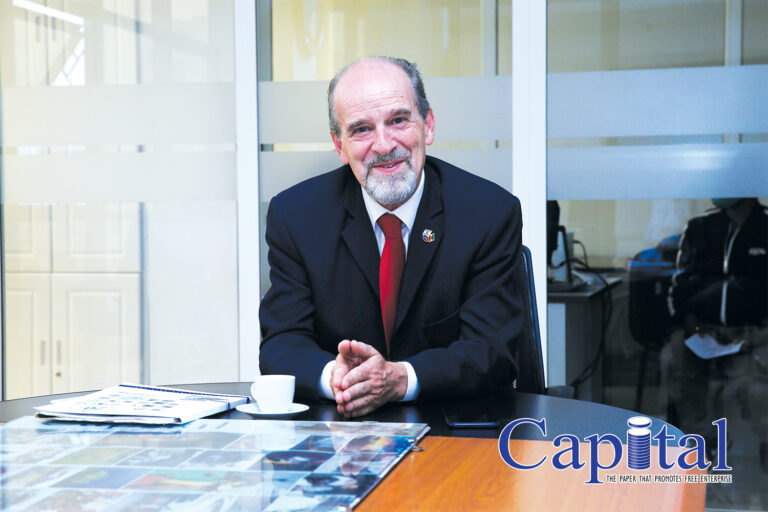
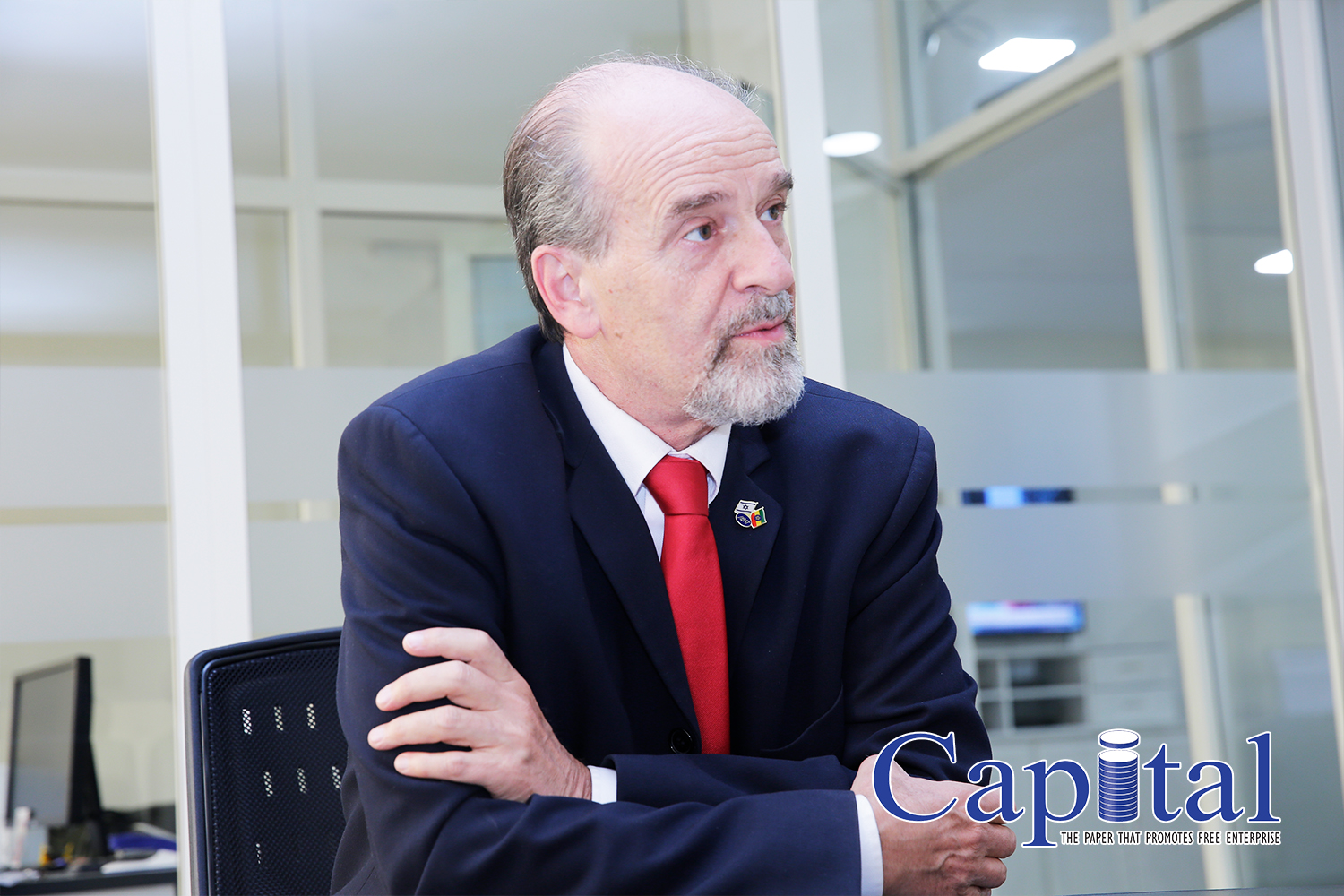
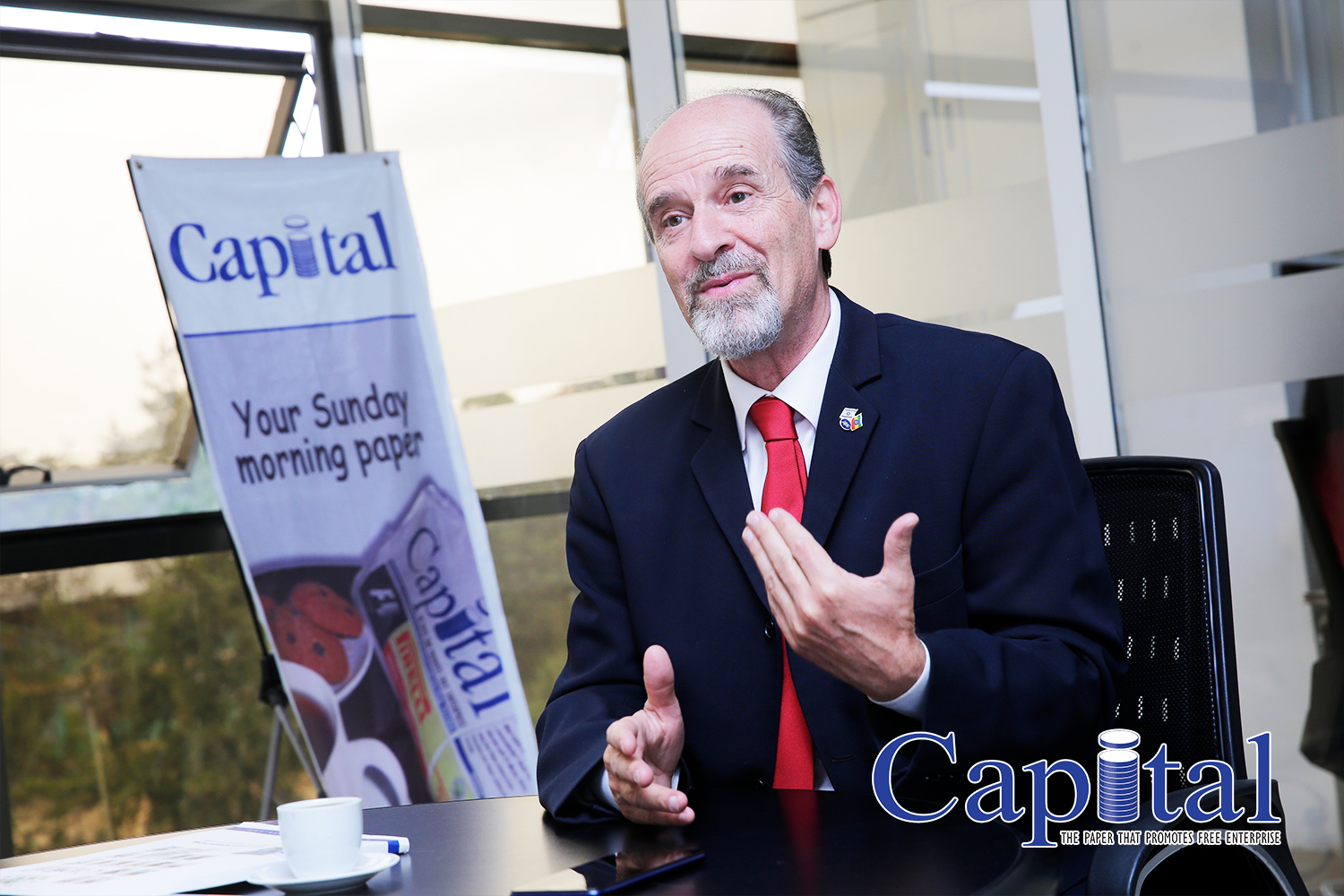
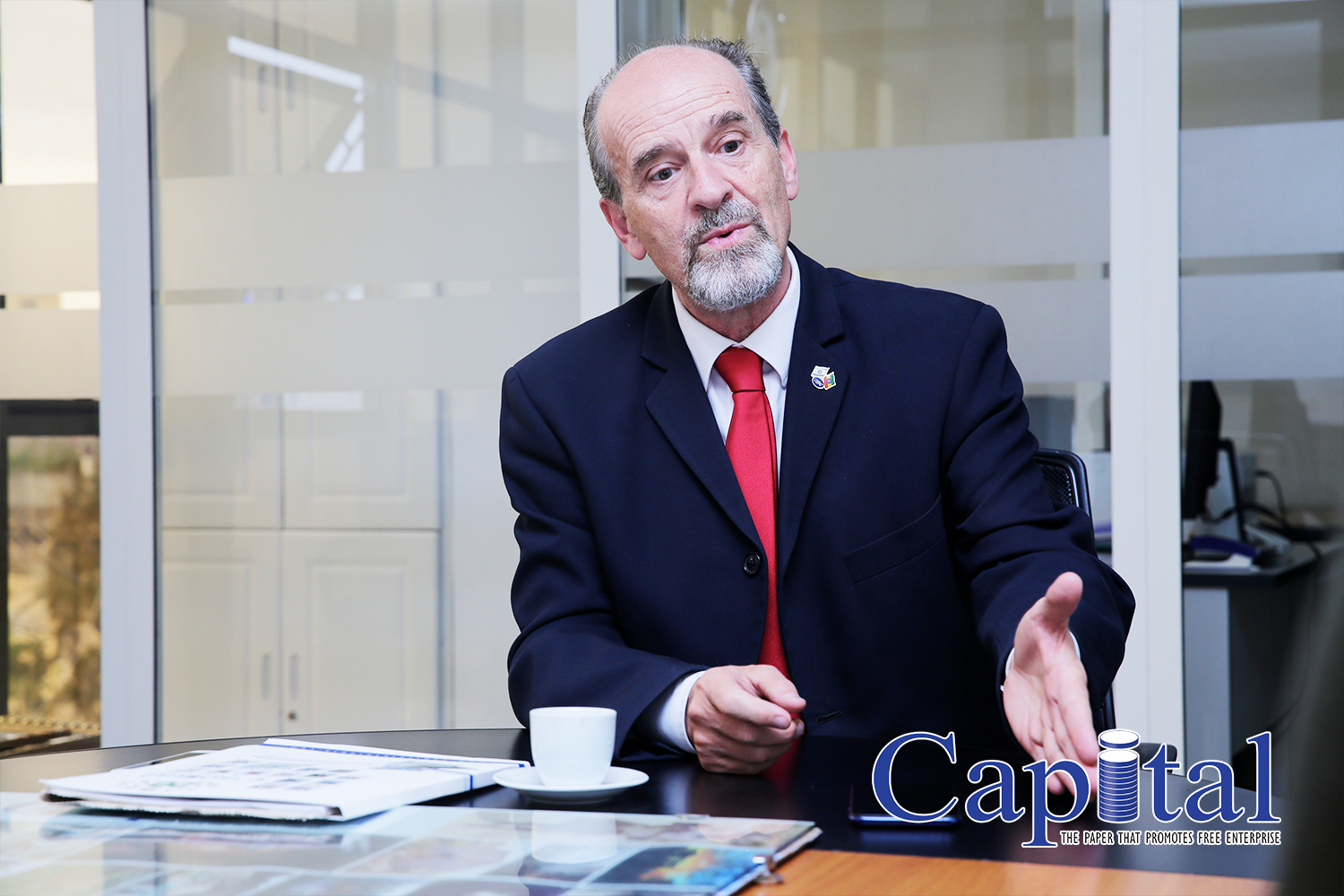
Raphael Morav was born in France in 1958. After completing in 1981 his military service in the Israel Defense Force (IDF), he obtained his B.A. degree with honors in International Relations and Economics from the Hebrew University in Jerusalem.
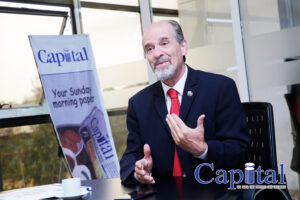
Raphael Morav has gone on to have an illustrious career in diplomacy from the onset of 1986, representing Israel with superb diplomatic capacities across various countries and continents. As from November 23, 2017, he started his post as the new Ambassador of the State of Israel to Ethiopia. Capital sat down with the Ambassador for an in depth look into Israeli investments in Ethiopia, cooperation in development, and relations between Ethiopia and Israel. Excerpts;

Capital: How would you sum up your stay here?
Amb. Raphael Morav: I have spent a little over 3 years here in Ethiopia. I would personally say that it has been a fascinating period, that is, to be part of a community and a country that I had never been in before. Meeting the Ethiopian people, to see the beauty of the country, that stretches from its landscapes and also witnessing the potential that this country has as well as seeing a change from the authoritarian government to a democratic one, that is centered in social, economic and political reform is something that I find to be very interesting and fascinating in the time that I have been here.

Capital: What would you say is your greatest achievement during your stay here?
Amb. Raphael Morav: I view achievements as a collective because we are all working strongly together. Furthermore, in my line of work, there are achievements’ that you might get or sow but the fruits develop much later after you have gone. Some of the achievements we have had, not only personal to me but also as a collective include; Highest level visits such as the first ever state visit by an Israeli President in Ethiopia and also the first visit of PM Abiy Ahmed after taking office, since he had visited when he was the Minister of Science and Technology.
We have also registered significant achievements in the Development Cooperation especially with the flagship project of the ‘Avocado Culture’ here in Ethiopia. This program has proven to be of great success because today the avocado fruit is not only the most profitable fruit but also it has started to be exported by tens of thousands of small-scale farmers to outside markets such as the European market. This has brought remarkable changes to the farmers livelihoods and they have made this transformation from subsistence to commercial agriculture. We hope to continue this culture with a ‘Wheat-irrigated culture.’ Wheat is important to this country because, half of the foreign exchange income of the country goes to the import of wheat. Hopefully, in order to bridge the gap of food insecurity, we are engaged with several investors that are interested to invest in this crucial sector, so as to grow wheat for local consumption.

Capital: What are some of the investment portfolios being done in the country?
Amb. Raphael Morav: There are indeed various agricultural investments in agricultural farms which are really exemplary. A good example is of JoyTech, when there is a head of state or government, PM Abiy Ahmed takes them to this farm in Bishoftu to show the most advanced agriculture that exists in Ethiopia. We are really proud of this since its purely a private investment.
We also have investments in the marble sector, whereby marble is extracted and elaborated and exported as a high value product, as well as in the textile for export.
We are also soon going to announce a huge investment project in Geothermal, which will be officially announced in weeks to come, therefore we have much more to look forward to.

Capital: What is your view on the security in the country in regards to the Israeli Investment?
Amb. Raphael Morav: Throughout the period I have been here, there was a tense period as well as a State of Emergency. Although not pleasant, so to speak, I am pleased to say that none of our investors had any incident concerning the security situation. Neither was any farm burnt nor was there any damage done and everything remained intact. When our investors come in to the country not only they view the aspect of making money but also the aspect of Corporate Social Responsibility. A very good example is of a farm that I visited recently that produces seedling of Avocados, grow gypsophila flowers, and at the same time provide electricity and water to tens of houses outside the farm and the surrounding. They are selling neither the water nor electricity but they are giving back to the community. I believe this mentality goes a long way to protect the investors during riots or insecurity in the country as the communities see these investments as their own. Therefore, they are keen to protect the investments at all time since they view it is also as a source of employment and development.

Capital: How has COVID-19 affected the investment flows from Israel to Ethiopia?
Amb. Raphael Morav: It has definitely slowed down the flows although not severely. Luckily, Ethiopia remained open most of the time apart from the initial quarantine obligation period. The problem is more so in Israel where we presently have a third lockdown, which means that when an Israeli comes back from his/her travel they have to quarantine for 10-14 days. This affects a businessperson who visits Ethiopia for a time slot of 3-4 days and has to quarantine for two weeks which results in long time loss. On a positive note, however, Ethiopian Airlines continues to fly once a day to Israel therefore there is still a volume of visits from both countries. In general, it has slowed down though not considerably; we can say that it has postponed several operations.

Capital: What is the status of the Jewish Community project, in Ethiopia?
Amb. Raphael Morav: A project that we are really keen on is what we call the ‘Footpath of the Beta Israeli communities.’ Ideally, in Israel, we have about one hundred and fifty thousand Israelis whose origin is from Ethiopia. This beta community who left the country lots of years back would love to visit and tour the country to see their roots. The idea is to use this inflow of tourists by creating superb tourist sites that include developing splendid trails for tourists to enjoy their historic tour as well as visiting old cemeteries, synagogues and old villages where they lived, that will take them back in time. We have worked in this respect with the Ministry of Culture and Tourism as well as the local authorities in Amhara to develop this. We are also looking to establish a museum in Gondar of the Beta Israel heritage in Ethiopia, to share this culture as well as have research centers as we promote also the tourism around it. We believe this is not only important to the Israeli tourists but also to other tourists from other countries as well.

Capital: The Israeli government, in its bid to re-unite families in its initiatives is repatriating the Jewish community again. Would you kindly elaborate more on this?
Amb. Raphael Morav: The Israeli government has continued its commitment to unify the families that have been divided during the ‘Solomon Operation,’ which happened thirty years ago. During the operation, which was done swiftly during the Derg regime, they managed to evacuate about fourteen thousand people and many families were cut in the process.
Therefore, for this re-unification process the government has committed a yearly quota of 1-2 thousand peoples, who come with an absorption package. The package gives provision of housing, Hebrew lessons for the children, professional training for the parents so that the families can be properly integrated into the society. We are hopeful that this initiative will be complete with families happily reunited 2 years from now.

Capital: How are you helping communities in increasing their produce, for example avocado and are there other projects in this regard?
Amb. Raphael Morav: Basically, at our core, we believe in capacity building. It’s not only about sophisticated machines or seedlings but it is building the capacity by helping strengthen the know how and promoting the technologies therein so as to move from subsistence farming to a commercial one.
In this regard, we have a strong believe in irrigation, which is crucial for the development of intensive agricultural since we cannot rely only on one rainy season, even though Ethiopia has a good rainy season throughout July to September. Therefore, we come in to assist with the knowledge of advance methods of irrigation that can be drip irrigation, micro sprinklers or normal sprinklers, and more. This brings with it a good shift in better ways to farm. We say that the adoption of advanced methods of irrigation is not just the introduction of new technologies but also a change in the state of mind. We also introduced intercropping methods to help the farmers to grow more produce throughout the year.
We also promote the adoption of hybrid seeds, which can produce five to ten times more while better resistant to pests, drought and extreme weather conditions. These seeds are not genetically modified but have gone through a series of trial and error to withstand pests, diseases and other conditions thus are more sustainable and beneficial.
To this end, Mashav and other Israeli NGOs such as Fair Planet are working round the clock to promote better produce through demonstration farms and capacity building programs.

Capital: What is the acceptability level of the farmers of the new technology that you are presenting them with?
Amb. Raphael Morav: It is a process. Of course, the younger generation is more open than the older ones and I believe seeing is believing. Therefore, every time we present these technologies, we use demonstration farms. By seeing, they visualize this as a game changer and if they do need help, they can be aided by the Israeli experts. Therefore, they gain a safety net of 2-3 years until they are able to replicate the same where they thought they were incapable.
A success story is of one farmer I visited in Dire Dawa area who grows tomatoes. As a result of the significant increase of his production, he was able to buy a tractor where he also leased it out to other farmers on pay thus, he increased his stream of income even more.
Similarly, since everyone wants to improve his or her livelihood, I believe there exists an openness.

Capital: Your embassy recently graduated some youth courtesy of the Israeli Embassy’s Leadership program. Can you kindly, expound on that?
Amb. Raphael Morav: With respect to capacity building, we strongly believe in the future leadership of the country. We started with two schools in Addis, and we identified students aged 15-16 and for one year they followed a leadership program where they discussed leadership, how to promote values and visions with an implementation project using all the tools they received.
We acknowledge that leadership begins from one’s self. Though they are not Prime Ministers at this time it is good to create the discipline of leadership since it is required in all levels ranging from a family set up to even work places. We plan to expand this program to more schools and others locations outside the capital.
It is our great hope to create a future generation of strong valued and visionary leaders who will lead the country to exponential heights.

Capital: Is there anything you would like to add?
Amb. Raphael Morav: As we approach Timket, I would like to wish everyone ‘Melkam Timket’ and I wish this country prosperity and good health. I am also looking forward to a peaceful election come June, which will propagate this country to better sustainability, good governance and a stronger unity.

WIN LOSE OR DRAW FOR AFRICAN/BLACK ART

0

Just two years ago Zoma Museum founder, Meskerem Assegued, hosted a gathering of several well-regarded US gallerists, curators, institute directors and more. Amongst the group was African American Naomi Beckwith, Senior Curator for Museum of Contemporary Art Chicago (MOCA); now New York Guggenheim’s fresh pick as Deputy Director and Chief Curator. By the way she was the only Black person in the prestigious delegation of visiting participants at Zoma. For the record, connections between the Guggenheim and Ethiopian artists include the multi-million USD exhibition of Ethiopian born American, Julie Meheretu, and Zoma’s co-founder and ingenious artist, Elias Sime, recently nominated for the Guggenheim’s $100K 2020 Hugo Boss Prize. The Guggenheim is as big as it gets in the art world, thus Naomi’s appointment is an immense win and Black folks in the arts are proud, hopeful and tickled brown. Beckwith stated, “One cannot overstate the iconicity and consequence of the Guggenheim Museum-yet, refusing to rest on its laurels, it readily presents projects that disrupt art history’s mythologies. I’m excited to join the Guggenheim and its passionate team at a pivotal moment. I look forward to merging our shared goals of expanding the story of art, and also working to shape a new reality for arts and culture.”
I have been trying to unpack Naomi’s statement, taking a cautionary cue from Danny Simmons, abstract-expressionist painter extraordinaire, to not racialize this major move for Beckwith. Danny, founder of Rush Philanthropic Arts Foundation – big brother to entertainment mogul Russell Simmons and rapper/TV star “Rev. Run” of Run DMC, said in his Facebook feed: “This is amazing news…a blessing for the field as a whole.” The African American artist and collector of rare African antiquities from Yoruba masks to Ethiopian hand carved chairs, rightly chose not to enter into a diatribe on racial discrimination, yet. That is, even if racism plagues the art industry, including the Guggenheim, recently embroiled in employee complaints of alleged racism. Nonetheless, Naomi’s well-earned post is based on over a decade of extensive accomplishments including curatorial support on “Grief and Grievance: Art and Mourning in America,” conceived by the distinguished Nigerian curator, the late Okwui Enwezor, which received high acclaim from mainstream media.
Exponential attention and demand for African art in the USA and Europe are racking up and the ‘more (of us) the merrier’ is the clarion call. With the caveat that the ‘more’ should make “us” “merry” too. One answer to the call came in 2013 when 1:54 Contemporary African Art Fair was launched, “Striving to promote diverse perspectives…drawing reference to the fifty-four countries that constitute the African continent… a sustainable and dynamic platform … engaged in contemporary dialogue and exchange…we’re about, but ultimately…One continent, 54 countries” declares founder, Moroccan Touria El Glaoui. 1:54 is “… the leading international art fair dedicated to contemporary art from Africa and its diaspora…in London since 2013, New York since 2015 and Marrakech since 2018…” Touria made Forbe’s list of “100 most powerful women in Africa” and NewAfrican’s “one of 100 most influential Africans in business”. Power, Influence and African art…words rarely used in the same sentence. This should be a win, right? Well, the verdict is out for the long-term impact on both the brand and discourse of “1:54” in the future. Why? There are actually 55 member states of the African Union, including Western Sahara aka Sahrawi Arab Democratic Republic (SADR), OAU/AU member since 1982. (Disclaimer: Maybe the Moroccan based her brand “1:54” on the then 54 AU member states in 2013 which didn’t include her home country, Morocco, readmitted to the AU in 2017 following a 34-year absence, making Morocco number 55.)
This is not about the political dispute between ADR and Morocco over sovereignty; nor is it about Trump’s last-ditch divisive opening of a US consulate in the contested region. This is about how we define, recognize and present ourselves to the world. This is about how to establish Africa in the international art industry, using powerful and influential voices that inform and enlighten. Admittedly, it is disconcerting that international media, renowned curators, famous museums, makers and shakers of the international art world and leading art houses, such as Christie’s and Sotheby’s echo El Glaoui menacing mantra “One continent, 54 countries”…which I am constantly correcting.
So, with the AU’s decision to recognize 2021 as “The Year of Arts, Culture and Heritage” let’s see if 1:54, Africa’s exclusive African Art Fair, is taken to task for its title and if such small rumblings even matter to the founder and her followers who bask in the success of her hard work and commitment which is making money and winning the main stream art world. So, let’s “not throw the baby out with the bathwater” as the old Jamaican saying goes. I recall being at the AU Summit when Her Excellency President Ellen Johnson Sirleaf of Liberia, upon Morocco’s readmission to the AU stated, “Africa wants to speak in one voice. We need all African countries to be a part of that voice.” With the African Continental Free Trade Area on the horizon and the possibility for trading art in the largest trade block in the world, building Africa’s art industry, it will be interesting to see the trajectory of the 1:54 brand… a win, lose or draw for African art.

Dr. Desta Meghoo is a Jamaican born
Creative Consultant, Curator and cultural promoter based in Ethiopia since 2005. She also serves as Liaison to the AU for the Ghana based, Diaspora African Forum.