Wednesday, April 1, 2026
Home Blog Page 3488

Time to Rethink Corona virus can bring opportunity for Ethiopia

0

By Dawit Tadesse

As a good citizen and professional I have been thinking how our country Ethiopia could be out of poverty. I have been thinking about so many economic, finance and development models to solve these problems such as poverty, backwardness etc….
Many have said and done to eliminate poverty in Ethiopia. But one of the big causes of our problem has been our government and the political system. So many years have passed since we were poor because of the serious problem that emanates from political and government structure. As a result, we have turned out to be a beggar nation.
Therefore, it is evident that the economy is still weak. It cannot absorb a big shock. Ethiopia is ranked 30th among 47 countries in the Sub-Saharan Africa region, and its overall score is just below the regional average and well below the world average. The country is one of the poorest, with a per capita income of $790. Income inequality and unemployment are one of the biggest problems in this country.
Accumulated researches, speculations and observations have been indicating that the source of all this problem is not our people or nature rather it is our political and government structure. It has been shown that most of our politician are semi elite- without strong educational background and income. Most of them once they have acquired power and resources, they have been utilizing them for personal needs in the name of ethnic politics. Due to this the Ethiopian people have been strangled in extreme poverty for centuries.
The current global, novel virus could make our economy down to its knees and prolong our people economic pain to the worst. From the start our economy is starting to get affected very seriously by this virus. However, it can be pointed out here that crisis moments also present opportunity to rethink about our country and its economic problem and to take out our people from a grave poverty and poorness.
As it can be seen from the long travelled bumpy, miserable life road, the three most serious problems of this country are economy, economy, and economy. So to solve these epidemic economic problems, the best way forward is to gear direction toward economic development first and foremost instead of bringing conflict by ethnic politics. How?
This being our country’s situation, you may be surprised and consider me like mad man when you read what follows here is what I am thinking and suggesting to do to free our country from impoverishment. Let us forget the coming election for the time being.
Frist, our country must be led by a committee, like China Central committee, at least for the next 10 to 15 years. This is because we have a tradition as a nation to work by being organized in a committee. If we have to think in detail as to how this committee will organize it can be suggested that this committee must be organized by having members of politicians, elders, elites, business people and religious leaders and artists. So, politician who are working for the better of the society but not for their want will be a part of this committee with limited power and tasks. In this regard, everyone will represented with equal power so there will not be power struggle. Everyone will have equal say and vote. The only objective of this committee is to plan, restructure and manage the economy of the country. In the meantime, the committee will be responsible for operating the environment underpinning entrepreneurship and innovation, promoting the effective use of our endemic knowledge, securing the functioning of the labour market and workers’ employability, as well as for regional development. The committee will have technical advisory who will prepare the country’s master or marshal economic plan by fully considering the situation on the ground. This committee will be reelected every 4 years. Second, the country’s ethnical regional structure must be restructured as economy regions. We can reorganized all the regions into four economic regions. Then we have to stop talking about that ethnic region or this ethnic region rather we will talk about economy regions. We can call these economy regions north, south, west and east economy regions.
Globally, successful economies are organized on economy regional basis. This should be true to Ethiopia too. Regional economies offer the best environment for idea experimentation in terms of economic development. Whether you are talking about talent development strategies, major infrastructure projects, quality of place investments, or other initiatives, communities in a region can come together to establish priorities and successfully implement initiatives.
In this regard, the committee will organize the regions by taking into consideration their economic comparative advantages and proximity. This arrangement will help create strong economic network, supply chain and fast labor mobility that support each other.
Besides, this committee will be organized into four subcommittee to lead each four economy regions. The committee will call for the national and regional people council which will organize. Each four regional economy committee will have its own clear economic objectives and technical advisories that know the economy potentials of each economy regions.
In general, the main aim of these committees will be to boost inter- regional economic development and in turn boost the national economy.
As to my personal reflection, I believe this form of structure or other similar form is the only way to break the chain of poverty and poorness this country. Once the availability of bread and clean water for our people is secured, ethnic and other political issues can come to the foreground. Let us measure our performance by the reduction of income inequality, unemployment, corruption and improvement of education, health and infrastructure. To put the details of my idea in this short article is very difficult. But at least I just proposed the general framework of my idea for further discussion.
Presently, Corona is not only challenging our economy muscle but also urging us to shift our focus from all other areas and focus on it. Thus, let’s not fail to consider what has come as a blessing in disguise.
After this our politics must be our economy and our economy will be our politics .No more no less! I pray all the political leaders of this country would open their eyes to see the bright side of the opportunity.

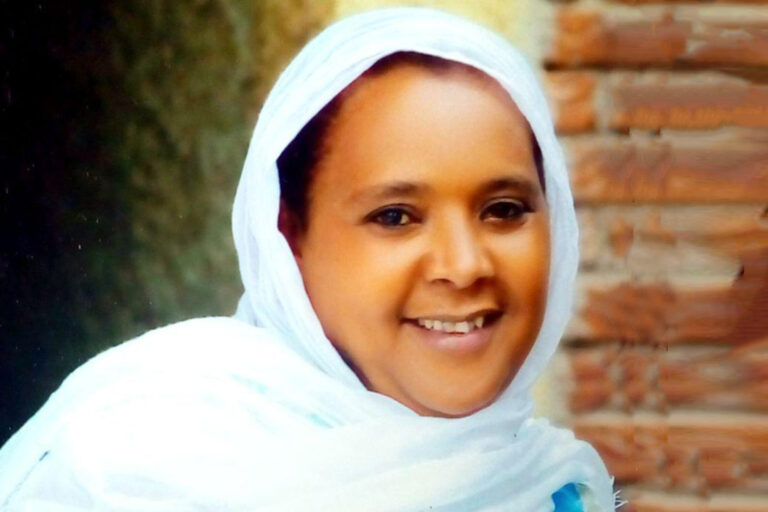
East African Ministers joined UNESCO’s first virtual meeting of Ministers of Culture to discuss measures taken to address the impact of COVID-19 on the culture sector

On 22 April 2020, Ministers responsible for Culture from Comoros, Djibouti, Ethiopia, Kenya and Mauritius joined over 100 ministers from around the world to share, through a dialogue online, their remarks on the impact of the health crisis on the cultural sector, as well as on the responses being initiated within their respective policies frameworks.
As an extension of the Global Forum of Ministers of Culture organized by UNESCO on 19 November 2019 in Paris, France in which 120 Ministers called for stronger cultural policies for more sustainable societies, UNESCO invited the Ministers of Culture to participate in this first online debate to share their observations on the impact of the health crisis on the cultural sector, as well as on the measures being taken within their countries.
Approximately 350 participants around the world followed the live streaming of the meeting, which was available with English, French and Spanish interpretation. Five East African Ministers took the floor to share insights on the situation in the region.
During his intervention, Avinash TEELUCK, Minister of Arts and Cultural Heritage of Mauritius shared his country’s experiences safeguarding the culture sector during current epidemic. Since Mauritius’ lockdown on 20 March, the government launched a special relief fund project for businesses, including a wage assistance scheme to support salaries of artists and other self-employed workers in the creative sector. A Covid-19 Solidarity Fund was also launched and the government is working on a post-COVID plan. The Ministry of Arts and Cultural Heritage is developing a virtual network of theatres, museums, and cultural heritage sites in Mauritius as well as a television programme featuring Mauritian creators, artists and performers. The Minister also mentioned the importance of improving the Status of the Artist in Mauritius.
Speaking on behalf of the honorable Minister Nourdine Ben AHMAD, the Secretary General of the Ministry of Youth, Employment, Labour, Training, Professional Integration, Sports, Arts and Culture, Soule MMADI shared information on the measures underway in Comoros to support the culture sector, which include organization of virtual consultation meetings for the finalization of Comoros National Periodic Report on implementation of the UNESCO 2005 Convention on the Protection and Promotion of the Diversity of Cultural Expressions as well as convening a ResiliArt|Comoros national debate with artists to identify challenges and opportunities for the creative sector during the COVID-19 crisis—both of these exercises will inform the revision of Comoros National Culture Policy with UNESCO support. The Secretary General also informed participating Ministers of Comoros intention to continue preparations of the country’s first World Heritage nomination file for the “Historic Sultanats of Comoros” through virtual consultation meetings with UNESCO international experts until the time when physical meetings and workshops can take place. He called upon the international community to support Comoros in its efforts to prepare a successful nomination file. Lastly, MMADI informed participants that musicians in Comoros have participated in UNESCO’s #DontGoViral campaign to help raise awareness of COVID-19 prevention measures.
Moumin Hassan BARREH, Djibouti Minister of Muslim Affairs, Culture and Waqf Assets highlighted the impact of the COVID-19 pandemic on artists’ livelihoods and on cultural tourism in the Republic of Djibouti. He shared information on national measures to assist artists with debt, providing monthly salaries as well as food assistance for artists and their families. His Ministry is promoting reading at home together with artistic creation, and is also focusing on increasing digital creation in Djibouti.
The Ethiopian Minister of Culture, Tourism and Sports, Hirut Kassaw, noted the impact on cultural tourism in her country due to COVID-19 stating that there has been a decrease in visitors to historical, archaeological and cultural attractions in the Federal Democratic Republic of Ethiopia. She underscored that restoration projects underway at UNESCO World Heritage sites such as Axum Obelisk and the Rock Hewn Churches of Lalibela have been halted, and all training programmes for community stakeholders and heritage experts in inventorying and mapping are currently on stand-by. The Ministry is looking into traditional medicine in Ethiopia that could be used to curb the pandemic and is also examining policy measures to put in place. She asked for UNESCO support in these endeavours.
Lastly, Amina C. MOHAMED, Cabinet Secretary of the Kenyan Ministry of Sports, Culture and Heritage, presented an overview of main priority areas the Government of Kenya has been focusing on since the 27th of March when nation-wide prevention measures took effect. These include: cushioning the cultural and creative industries sector, especially for vulnerable artists and creators; safeguarding intangible cultural heritage by working with cultural experts and sharing works of art through virtual platforms; mobilizing artists and creators to support messaging about preventing COVID-19; offering financial support to enterprises (SME) for business relief, including income tax reductions, funds to support vulnerable groups, health care measures and loan services. The Government is looking towards digital media, including online and social media, for creation and access to creative works as part of their plan for recovery and resilience. They aim to increase the budget for culture, and as cultural institutions such as the National Museums of Kenya, are currently closed, they are reprogramming their budgets for conservation and maintenance needs. They hope to strengthen the sector, and with the support of UNESCO, plan to carry out a survey of the arts and cultural heritage sector to galvanize the culture sector post COVID-19.
Over 100 Ministers responsible for Culture from all regions of the world shared their national contexts, current measures and plans to support artists and cultural heritage as we recover from this pandemic. Many examples shared could be reproduced in other countries, such as the “Stay home and read” initiative in Malaysia, which offers free access to an online library of national and international literature. Indonesia’s Culture Minister shared his country’s proposal for a “Cultural Archive for Humanity”, which includes artwork, texts and recordings that document the cultural transformation underway. The Minister in India shared that her country was reaching out to the public for online suggestions for possible intangible cultural heritage elements to include in India’s national inventory. Pakistan’s Minister said that they are organizing online concerts every night that are broadcast on national television and the internet. Georgia’s Ministry for Culture is publishing a weekly calendar of online cultural events. The United Arab Emirates noted the urgent need for UNESCO to develop a manual to support Member States with the protection of intellectual property rights for the creative sector. These and many other measures were shared during the global meeting to further strengthen synergies and collaboration among Ministries for Culture.

The Impact of COVID-19 Pandemic in the Horn of Africa (HoA)

0

By Ali Issa

The health and economic impacts of the COVID-19 pandemic has affected practically every country in the world. While the virus spread is at an early stage across Africa, the World Health Organization (WHO) and other public health entities have warned that the pandemic will be more lethal in Africa than in the developed regions thus far. Most of the Horn of Africa countries are classified among the world’s ‘highest risk’ countries that were rated to have three times higher exposure to epidemics, such as COVID-19. They also have six times higher risk in terms of access to adequate health care compared to the world’s lowest risk countries.
The alarming prognosis that the HoA countries would be severely hit by COVID-19 is based on societal features including high rates of poverty, prevalent food insecurity and absence of any effective social safety nets; such as targeted income support, unemployment insurance or disaster preparedness and prevention. Such prognosis also reflects weaknesses in public health systems, vulnerability of large segments of the population, unpreparedness for large emergencies, scarce resources availability, and over-dependence on few commodities.
In most of these countries, the prevalence of large refugees and internally displaced people across porous and insecure borders of the sub region aggravates the situation. Most of the refugees and IDPs live in camps with non-existent basic social services, and most of the pastoral communities inhabiting the remotest areas of the region have limited access to information on the pandemic and have poor health systems with limited reach to the most vulnerable.
It is enormously difficult to predict the scale of the damage on these fragile HoA countries’ health and economic status, as much will depend on the spread and duration of the crisis, and more importantly on the efficacy of measures adopted to contain and mitigate the spread of the virus. The preliminary indications are that the social distancing and mobility restrictions imposed in these countries are contributing to severe contraction in economic activity, unemployment, and uncertainties that are unprecedented in recent history.
In this Blog, we assess the scope of the pandemic, and at what actions are required to contain and mitigate its impact on the health and economic well-being, and to build resilience of the most vulnerable and affected communities over time. In addressing the likely impact of the health and economic impact of Covid-19 in the HoA, simultaneous and properly sequenced actions by the governments of the sub-region are required.
Principal vulnerabilities
The scope of the pandemic is far-reaching and complex. The economic impact of the Covid-19 pandemic is likely to be severe and longer lasting, beyond the passing of the virus cycle and its health implications. The longer the economic depression lasts in the developed countries, the deeper would be the economic dislocations in the HoA. Unlike the 2008-09 economic crisis driven by financial meltdown, from which Africa was less connected, the current economic crisis is broader based and will impact all nations’ economic growth, capital flows and global trading system, within which the continent is well integrated.
The Covid-19 economic distress undoubtedly affects both the commodities and labor markets. The principal exports of the HoA countries are commodities that face sharp decline in prices from the drop in economic activities in the industrialized world and reduced incomes at home. The shutdown in economic activities in most of the world and the pervasive unemployment and isolation mandates will also impact on tourism earnings and other service sectors (such as airlines).
The economic activity slowdown and unemployment rise in the Northern countries will seriously affect large numbers of overseas workers such as from Ethiopia, or those with large Diaspora such as Somalia and Sudan, as remittances would slow down due to layoffs. The inevitable deterioration in the balance of payments, owing to lower trade and services receipts and reduced inflows of Foreign Direct Investment and official development assistance will generate foreign exchange scarcity, depletion of external reserves, and debt service difficulties for a number of highly indebted countries in the HoA (Djibouti, Ethiopia, Kenya and the Sudan), unless debt relief is obtained.
Domestic production shortfalls and commodity shortages could well emerge if the foreign exchange crunch impacts on the supply of essential raw materials for domestic industries. The severity and duration of the short term demand and supply impacts will depend on the outcome of measures various governments take to contain the spread of the virus and accelerate recovery.
The economic impact of the Covid-19 pandemic is expected also to lead to considerable deterioration of fiscal balances and weakening of fiscal management in these countries. As economic activity declines, a sharp drop off in domestic revenues at a time of rising government expenditures would aggravate an already limited financial capacity. It is inevitable that governments will stretch their limited capacity to re-orient priorities and reallocate resources for the health emergencies and meeting economic impact on the most vulnerable.
Effective responses and right context
On the health front, many governments have closed their borders, banned travel from highly infected countries, and imposed restrictions on internal travel. Some governments introduced lockdowns, mandated closures of school and religious mass-services, and advised people not to leave their homes except for essential activities and avoid contacts. Social distancing, as well national campaigns on hand-washing, sanitation and awareness creation of routes of transmission have been adopted to contain the spread of the virus.
All these measures are standard interventions adopted by Northern hemisphere nations to contain the spread of the virus and more importantly to slow the rate of infection so as not to overwhelm the health care capacity to treat the seriously ill. Nevertheless, questions have been raised as to the utility of these measures in most African countries; with social distancing infeasible in high density and extended-family living environments, and slowing the pace of infections is an applicable option where functioning health services and medical interventions are available.
The measures adopted thus far should be supplemented by locally appropriate and more contextually suitable efforts that better serve condition in the HoA sub region. Thus priority measures are required to address the broken public health system at the national or regional level through expanded specialized hospitals, building capability of identification, thorough and broad-based testing, isolation of the infected and treatment of the seriously affected.
In addition, although there are obvious limitations of resources and functional institutions, the HoA countries should move aggressively on “taking collective and region-based measures on prevention”. At the end of March 2020, the Heads of State and Government of the HoA countries decided to adopt a joint strategy and to strengthen coordination and regional responses to curb the spread of the virus in the sub region. They announced their intention to coordinate regional response to the pandemic, and given their inter-connectedness and open borders, such coordinated policies and efforts, including unified community approaches, are imperative for addressing the pandemic.
The leadership recognized the central role and the need for proactive support of the African Center for Disease Control and Prevention (Africa CDC) through building the capacity of healthcare providers and emergency response teams, as well as provision of medical supplies including testing kits. Ultimately, the efficacy of the measures adopted will be determined by the commitment and seriousness with which this pandemic is addressed with policies that take into account the local and regional context, and that can effectively cope to reduce its spread and effective mitigation; including learning from the experiences of similar virus infections in Africa.
Finally, while the emergency measures to tackle the pandemic and contain its health and economic impact are paramount, improving the health and wellbeing of the populace in the medium term should be kept insight. Deterioration in the sustainability of the medium- and long-term growth prospects of the HoA countries is inevitable if the “trade-offs” between short-term health needs and medium-term economic recovery are not properly addressed and sequenced.
The sub region’s capacity to cope and recover from the severity of the pandemic will be determined by the effectiveness of the global solidarity to respond to health services deficiencies, and to ease the financial burdens imposed by the economic crisis. Evidently, the type of commitments that were marshalled to successfully tackle and contain the recent “episodes of the Ebola in Western and Central Africa” would be required to contain the damage of COVID-19 in the HoA and other low income countries.

Ali Issa (PhD) is Managing Director of Horn Economic and Social Policy Institute

Fere Injera

Name: Firehiwot Debebe

Education: 10+2

Company name: Fere Injera

Title: Owner

Founded in: 2019

What it does: Bakes Injera

HQ: Addis Ababa

Number of employees: 5

Startup Capital: 25,000 birr

Current capital: Growing

Reasons for starting the business: Because it is profitable

Biggest perk of ownership: Commitment

Biggest strength: Hard worker

Biggest challenging: The fluctuating market price

Plan: To start exporting s

First career: Merchant

Most interested in meeting: PM Abiy Ahmed

Most admired person: My mother

Stress reducer: Praying

Favorite past time: Time with my family

Favorite book: Bible

Favorite destination: Israel

Favorite automobile: Toyota RAVA 4
