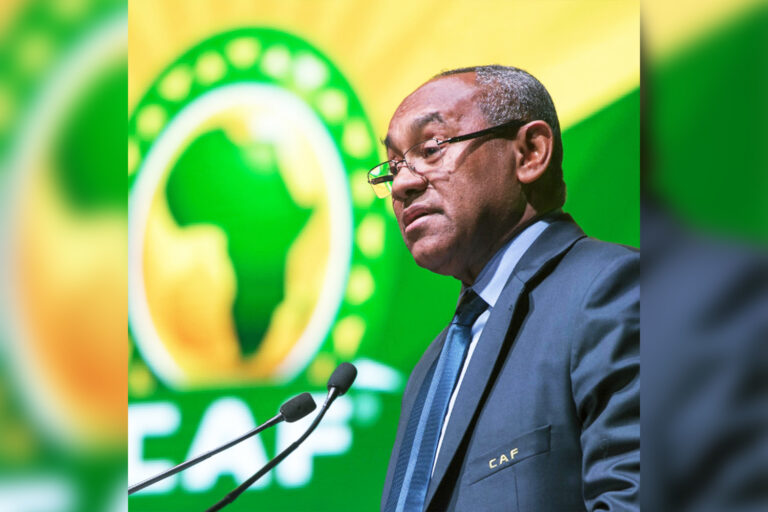
Addis Ababa has been chosen to host the next gathering of African football governing body’s supreme legislative body, the CAF Congress scheduled for December.
The CAF executive committee reached this decision after FIFA’s 70th Congress which was scheduled for Addis Ababa was impeded by the coronavirus outbreak leading to its cancellation.
FIFA then decided to stage the Congress via videoconferencing on 18 September 2020.
CAF President Ahmad Ahmad confirmed this during a brief meeting with Ethiopia Football Federation President and General Secretary, Mr. Isayas Jira and Mr. Bahiru Tilahun respectively at the VIP salon of Bole International Airport in Addis Ababa. Ahmad was transiting to Cairo from Antananarivo, Madagascar.
The Congress is expected to welcome more than 250 guests from all CAF member associations and other international organizations, including the media.
Earlier in the year, it was remembered Addis Ababa was to host World Football governing body 70th annual meeting and host the 2020 edition of the World Economic Forum had it not been for Covid19 epidemic.
Ethiopia to host the 2020 CAF Annual Congress
The scramble for the COVID-19 vaccine: Africa must act now
Amref Health Africa on how the continent can be ready for the vaccine from day one of its availability
By: Prof Joachim Osur, Lolem B. Ngong and Dr George Kimathi
In an ideal world, communities should not be mere spectators but co-architects of health decisions impacting their well-being. Concerns around vaccine trials should be addressed and researchers should prioritize community engagement.
What then does a vaccine trial mean to communities? Why should they care? Specifically, what must African governments do?
As we anxiously wait for the COVID-19 pandemic to be controlled, let’s start with understanding herd immunity and why vaccines are critical. Simply put, herd immunity is when a large number of people in the community is infected and therefore immune to a disease, in this case COVID-19.
Per estimates, herd immunity for COVID-19 will be achieved when more than 60% of the population is infected. That is 780 million Africans! As of 23 August 2020, about five months since the first case was reported on the continent, Africa has 1.18 million cases, 27,610 deaths and 900,584 recoveries. We are a long way to herd immunity! It is therefore an unrealistic plan to achieve herd immunity naturally.
However, we can simulate immunity in people through vaccination and accelerate reaching herd immunity. The need for an effective and safe vaccine is therefore urgent. This why the COVID-19 vaccine remains our only hope to controlling the pandemic.
According to the World Health Organization (WHO), as of 25 August there are more than 170 COVID-19 vaccines under trial. About 138 of them are at the pre-clinical stage (not yet in human trials), while 27 of them are in phase one (small-scale safety trial), 17 are in phase two (expanded safety trials), 7 in phase three (large-scale efficacy trials) and none has been formally approved for general use.
Normally, vaccines require many years of design, testing and additional time to produce at scale. However, researchers are racing to develop a COVID-19 vaccine within 12 to 18 months. South Africa is currently the only African country participating in vaccine trials.
Vaccine development begins with basic laboratory studies on the virus and its interaction with body cells. The results inform pre-clinical studies in which the vaccine is tested on animals and its safety recorded. Reaction of the animal’s body cells are documented and inform the four phases of clinical trials in humans.
The four phases of vaccine clinical trials
In phase one of the trials, the safety of the vaccine and its ability to stimulate the human body to produce immunity is determined. Dosage, the best way to administer the vaccine and the right potency are also determined.
Phase two of the vaccine trials involves a larger population, determining outcomes, including the ability for one’s body to develop immunity against COVID-19 as well as the side effects of the vaccine.
Phase three of the trials reaffirms efficacy and longer-term safety of the vaccine and involves administering it in larger populations, and observing them over a longer period of time. Once a vaccine passes phase three trials, it is licensed for commercial production and public use.
The last phase, phase four, trials involve on-going surveillance as the vaccine is administered to communities.
Trials can be stopped at any phase, restarted, modified, etc. depending on what is observed. In order to effectively study a human body’s reaction to vaccines, all corners of the world must be part of the trials. Vaccines have to be tested in different settings and in people with different genetic makeup. Therefore, Africans cannot afford to not participate in vaccine trials.
How Africa can prepare for the COVID-19 vaccine
Not only must Africans be involved in vaccine trials, African countries must prepare now for day one of the vaccine availability. Preparation ensures that vaccines leave the manufacturer’s site, land at an airport in Lagos, Addis Ababa, or Ndjamena etc., and eventually get to a health centre in Maridi, Kumbo and Khayelitsha.
Preparation for the COVID-19 vaccine requires countries to: (i) determine the eligibility criteria – who will be prioritized and why; remembering that most vaccine schedules currently target children; (ii) develop a robust vaccine distribution strategy; (iii) identify where the vaccine will be administered and by whom (doctors, nurses, etc.); (iv) develop a robust procurement, supply chain and distribution plan; and finally (v) have a sustainability plan to ensure continued availability and access to the COVID-19 vaccine.
Therefore, African governments must:
Consolidate and amplify the African voice – Vaccine nationalism is on the rise. Countries involved in developing vaccines are prioritizing their populations and will likely hoard vaccines. Unfortunately, with infectious diseases, no one is safe until we are all safe.
At the same time, Africa must continue its concerted efforts to jointly respond to the pandemic – including development, production and distribution of a COVID-19 vaccine. Within the framework of the Africa Union’s Consortium for COVID-19 Vaccine Clinical Trial and the pooled medical procurement platform, member states should negotiate for favourable vaccine access agreements. Supporting financial and technical assistance to countries such as South Africa, Kenya and Senegal, among others, for local vaccine production would be a great win.
Streamline and institutionalize country readiness – Besides continental level efforts, necessary measures to prepare for the COVID-19 vaccine are critical. This includes establishing multi-sectoral structures to facilitate supply and distribution mechanisms, building capacity of health care workers to administer and monitor vaccine safety, documenting immunization outcomes, and mobilizing domestic and external resources to facilitate rapid vaccine supply and distribution.
Develop strategies to sensitize communities – Researchers around the world are accelerating vaccine development. The next obstacle, unless addressed now, is vaccine hesitancy, the fear of the unknown if one gets vaccinated. Communities must be at the centre of COVID-19 vaccine trials and efforts geared towards full utilization.
Communities should play a seminal role in identifying and reaching most-at-risk populations during immunization campaigns. This is the time to engage communities through community gatekeepers, including Community Health Workers, religious and cultural leaders, to allay vaccine fears.
Successful sensitization of communities will lead to positive participation in vaccine trials and uptake of the COVID-19 vaccines.
There has been significant advocacy focused on the funding, accessibility and availability of the vaccine. Unfortunately, Africa is largely playing a spectator role when it comes to COVID-19 vaccine trials. The ongoing ‘scramble’ for the yet-to-be approved vaccine has raised concerns that the most at-risk populations in low- and middle-income countries will be deprived of this life saving commodity.
African governments must continue to work in unison and strategically position our continent to ensure timely and equitable access to the vaccine once approval is granted. This calls for urgent continental and country level actions and, placing communities at the centre for optimal acceptance and utilization of this immunization against COVID-19.
Amref Health Africa is a leading health NGO headquartered in Nairobi. Founded in 1957, Amref supports communities across 35 African countries to build resilient health systems.
Prof Joachim Osur is the Technical Director of Programmes at Amref Health Africa, as well as Associate Professor of Sexual and Reproductive Health and Dean of the School of Medical Sciences at Amref International University. He is a public health, reproductive health, and sexual medicine specialist with a wide experience in health programming in the African context.
Dr George Kimathi is an accomplished health development specialist with over 20 years’ experience in design and implementation of integrated public health programmes. He is the Director of Amref Health Africa’s Institute of Capacity Development (ICD), providing overall leadership to the organization’s Human Resources for Health (HRH) agenda.
Lolem B. Ngong is a seasoned Global Public Health professional, with more than 15 years of leadership in global health diplomacy and coordination of strategic partnerships to address threats to public health. An epidemiologist by training, Ms. Ngong is the Chief of Staff at Amref Health Africa.
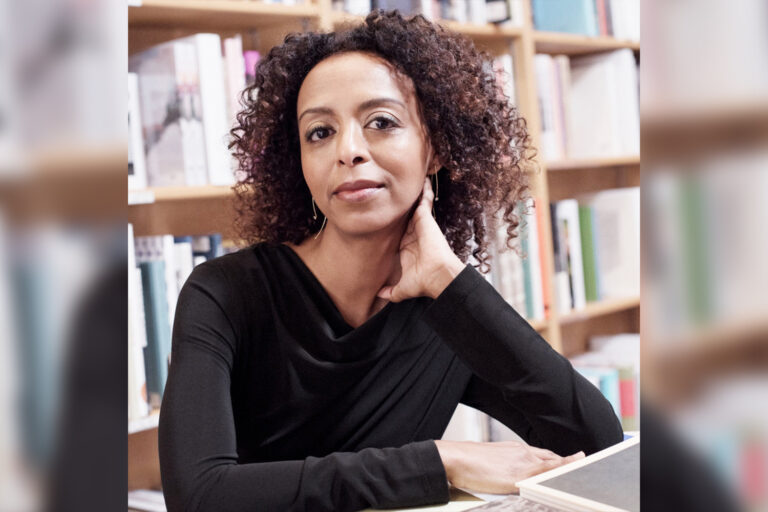
Maaza Mengiste “The Shadow King’ revamped Dagnachew Worku’s ‘The Thirteenth Sun’
By Eyob Asfaw
Days are gone to blame bunches of Ethiopian Literature as for not being exposed to the outside world. Once, the organizers and publishers of CAALLALLOU led by Elizabeth Weldegiorgis and Dagmawi Woubshent also constantly laments the local literature are not yet visible for the non-Amharic international audience. Against this backdrop, they engage in translating and writing commentary on local novels into English and French.
Interestingly, The HOHE Awards also bought a similar cause of Callaloo journal and sparked a webinar called ‘HOHE Chapter’. Obviously, from the nomenclature itself, one can make automatically sense as the proposed event is all about reading. Precisely, chapters of a book connote components of a book in which a reader will face it when someone leap the first pages of any book. On Sept 6, 2020 HOHE Chapter held successful converstion via webinar showcasing Maaza Mengiste through the moderation of Hallelujah Lulie (the outgone director, Institute of Strategic Affairs). Amid the interview, surprisingly, Maaza disclosed in the 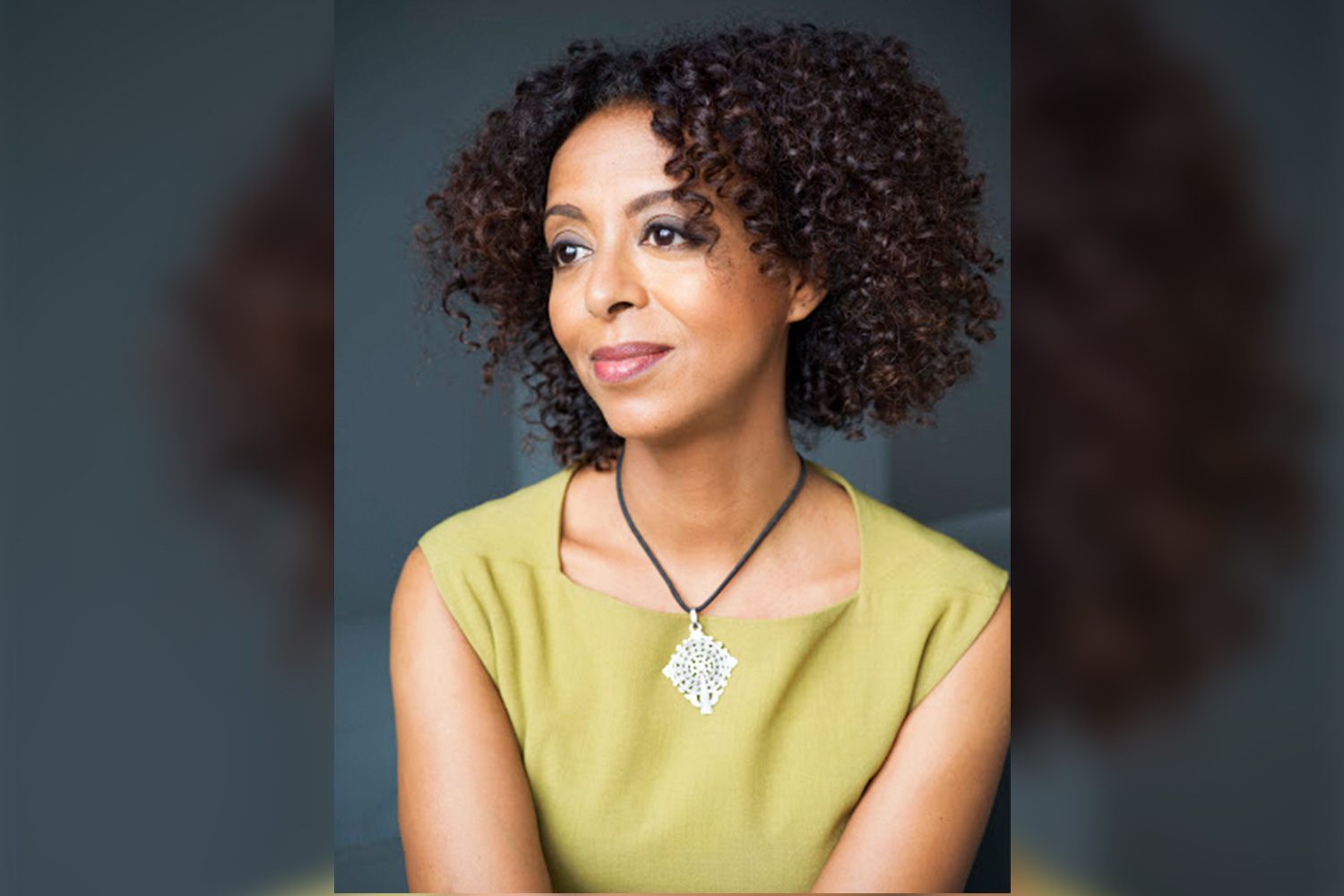 interview that the late Ethiopian Author Dagachew Worku’s novel dubbed as “the thirteenth sun” was her first encounter with Ethiopian literature for which she was inspired in her literary engagement. One can appreciate the coincidence of her historic interview on ‘HOHE Chapter’ was live casted on the first day of the thirteenth month. It has to be remembered that the thirteenth month is unique to the Ethiopian calendar, by virtue of the legacy of her millennial old civilizations. Though, it was not cherished its value among the fellow Ethiopian, undoubtedly Dagnachew’s book is proved to put Ethiopia literature in the Africa literary scene. A scholar called J.Rojer Kurtze, depicted ‘Daniachew Worku’s The Thirteenth Sun’ as a pilgrimage narrative with a father-son conflict at its core, offering a complex and loosely allegorical portrayal of a clashed Ethiopian society at the edge of Haile Selassie’s reign.
Also, Teklu Minas in his Master thesis entitled ‘Dagnachew Worku’s Writings: Three Plays and Two Writings’ , characterized the authors sensitivity for great questions of his society in an age of dynamically changing society. In a similar resonance, Maaza’s work is also a continuity of and now she is elevating it to the world stage. More often than not, author such as Maaza, who came from multi-lingual society like Ethiopia, have the advantage of reflecting their bi-lingual experiences.
To our surprise, Maaza is known much better in the English reader than her original home ‘Ethiopian brothers and Sisters’. Beyond her series of novella appeared on various international newspapers, including Newyork Times. From her literary works, ‘Beneath the Lion’s Gaze’, her unveiling, was selected by the Guardian as one of the 10 best contemporary African books. perhaps, The Shadow King (2019) wrote a different departure both for the career of this professor. One can guess how much it is so vital for a woman author with African origin.
Coming back to ‘The Shadow king’, is wrote within the context of Mussolini’s 1935 invasion of Ethiopia, unusually from the tradition of African history, the novel shined a light on the women soldiers. Also the book demonstrated the rare agency of women at warfare against the prejudice of femininity doesn’t fit for warfare. Throughout the story, the protagonists Hirut in the “Shadow King’ proved women can ever play irreplaceable role in the customary national and patriotic warfare. The story is precursory of the gender role of women goes beyond locating them in kitchen houses and babysitting. Rather, Ethiopian history conveys that women didn’t lack neither the courage nor the nationalist fervor needful to made them the front liner of warfare. 
Her achievement also went to the extent of being awarded to the prestigious American Academy of Arts and Letters award, the Premio il ponte, and fellowships from the Fulbright Scholar Program, the National Endowment for the Arts, Creative Capital, and Literatur Haus Zurich. Undoubtedly, she will keep to be an enigmatic aura for the emerging authors and motivating factor for the established novelists.
Nevertheless, against the aforementioned story, one has to uncover the moral of the story which subjects us to put the query of “what is the local version of prestige allotted for Maaza from her country of origin?”. It is a moment to celebrate the local achievement more than ever before. Undoubtedly, Maaza reincarnated the mantra of Dagnachew to unveil local folks in her recently published ‘The Shadow King’.
Holiday market slow due to COVID

After a hard and challenging 12 months and additional 5 days of the thirteenth month Ethiopians have started the New Year with hope and optimism.
Since the Ethiopian calendar is based on the Julian calendar Ethiopian year consist of 12 months each 30 days and an additional thirteenth month of 5 or 6 days of timekeeping marks the New Year approximately after the end of the rainy season, the beginning of the New Year celebration of springtime and renewed life.
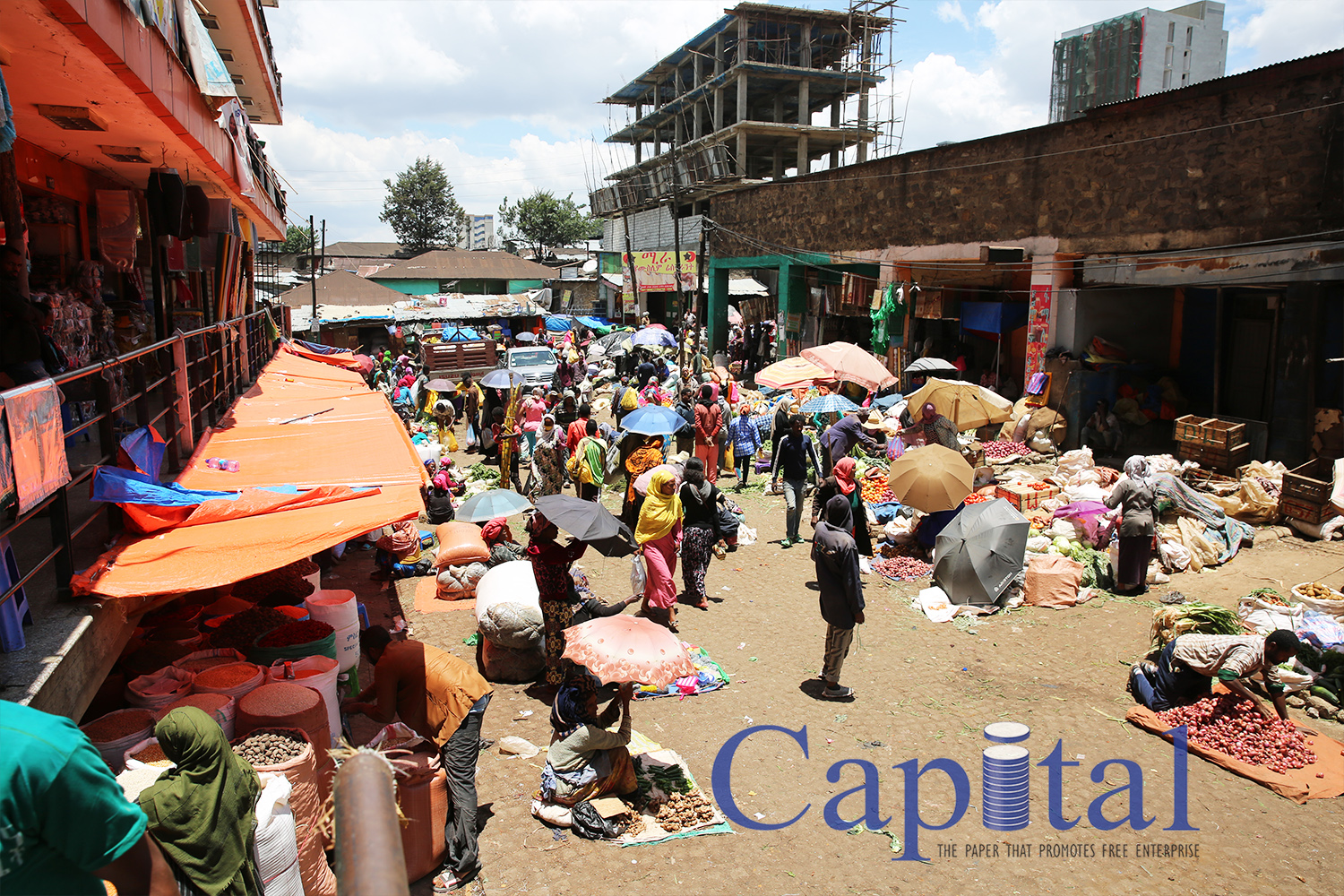
Ever since the holidays came Ethiopians have their own tradition to celebrate the festive. Usually, Preparation for the festive begins before one or two weeks, as shoppers begin their spree.
Most of the time holiday market marks a rise in price and demand although a shortage in supply commodities. Demand and supply are heavily influenced by consumer habits connected to religious practices and festivities. The New Year market is also showing a slight increase in price. However, as most of the people suggests the price hick was starting from four and five months back.
The price of household commodities usually rises during the rainy season but the current price is unpredictable with many rushing to get their last-minute shopping done, some were feeling the burden of seasonal expenses, others exhausted.
Food items price spike continues to be a headache to the majority of the population who were suffering from the income decline ever since the COVID 19 pandemic.
Ethiopian economy drop from the time when the first victim of corona virus was announced. According to the latest report from the Central Statistics Agency inflation in the month of August has recorded a 20 percent rate by showing a 2.3 percent drop from the prior month which has been increasing for the last four months.
Real GDP growth slowed to an estimated 7.4% in 2019 from 7.7% in 2018, caused by social unrest and fiscal consolidation to stabilize public debt.
In light of this, the COVID-19 pandemic will have multiple channels through which it will impose a burden on the economy. The inflation mainly hurts low-income people living in urban areas subsequently in fear of the transmission of the virus most of business in the country has stayed closed which mainly millions of the urban population relay on.
Even if inflation has risen with regards to both food and non-food items, however high shake over the price of vegetables, grains including Teff and other necessities over the last few months have crashed the population. Especially onions, garlic, tomatoes, red-pepper has s hown a rapid increase in their price.
The cost of red onions increased from an average of 13 to 35 birr per kilogram depending on the place and the type. According to the holiday market in most places of the city, a kilogram of onion is being sold for 22 up to 35 birr. Teff is sold within the range of 4,000 birr per quintal and red pepper is pricing 180-190 birr increasing from 75 birr per kilogram.
Traders were selling an egg for 5.50 to 6.50 birr, whereas a chicken would set consumers back between 400 birr to 550 birr. Most are also selling a kilo of butter from 250 birr to 320 birr and the market has shown a decrease in price than it was on eastern.
Mostly butter, eggs, and chicken come to the city from various parts of the country.
Kera, Akaki, Shegole, Bercheko are the largest cattle markets receiving cattle from different parts of the country, mainly from Harer, Wellega, Bahirdar, Jimma, Gonder and Wolayita among others. Usually, the sale of livestock inside the center reflects significant seasonal variations on demand and supply.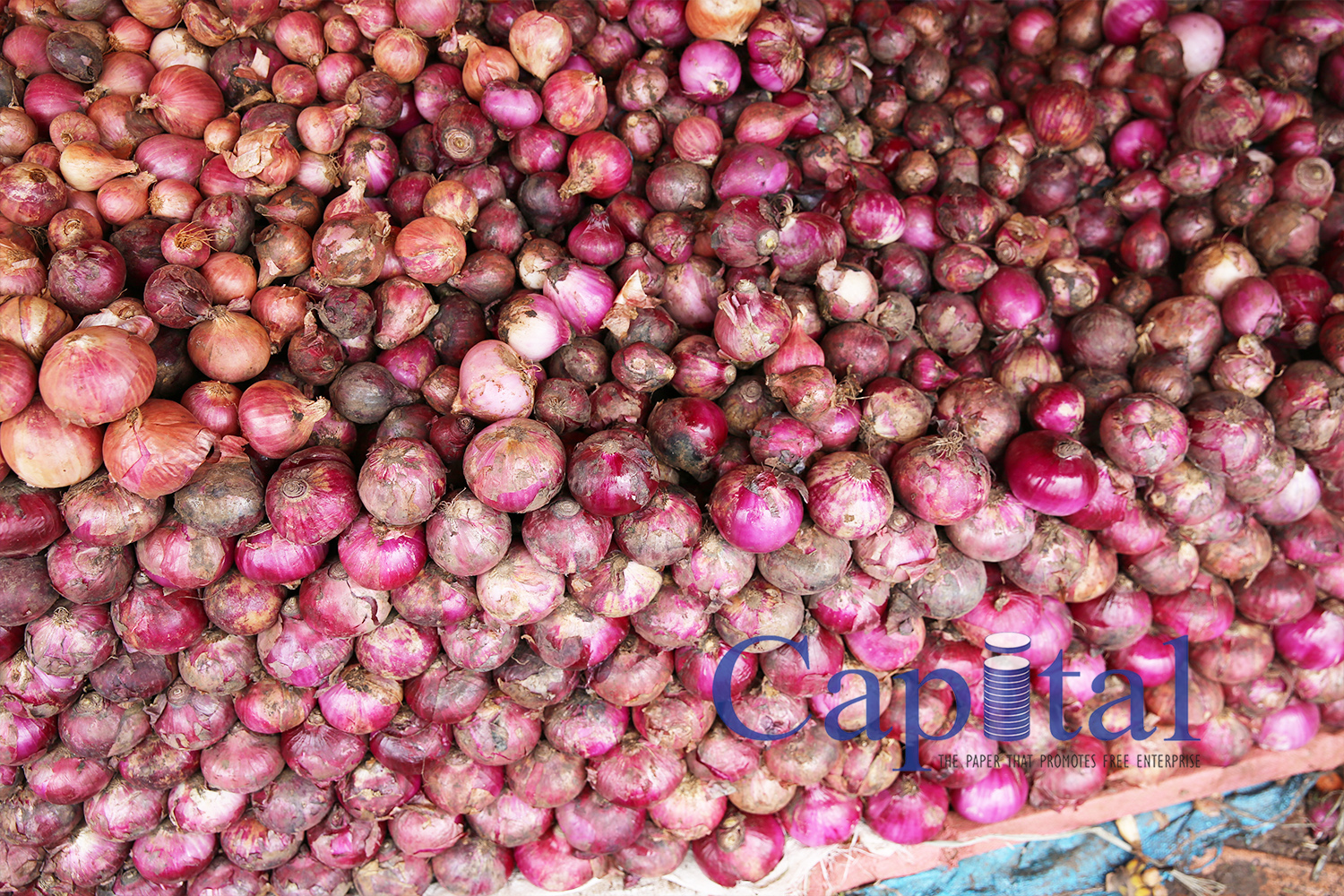
As most of the traders in Kera cattle market traders agree the supply has shown a slight increase than it was before the price and the demand is declining.
Although the Ministry of Trade and Industry has been taking different measures still the price is spiking from day to day.
The ministry argues that even if there is a shortage of consumer goods due to the outbreak of the pandemic and the instability in some parts of the country, also traders are increasing price to benefit from the situation by pretending as there is a shortage of production. Economic fall down has been caused by economic sabotage via traders.
The Ministry also plan to alleviate the problem by controlling illicit trade, engaging more in import substitution and adequately supplying locally produced consumer products.
To control the price hike on food commodities the ministry is distributing the commodities through unions, including sugar, wheat, maize, rice, oil, and teff.
Currently, unions are distributing 1.5 million quintals of teff to the market.
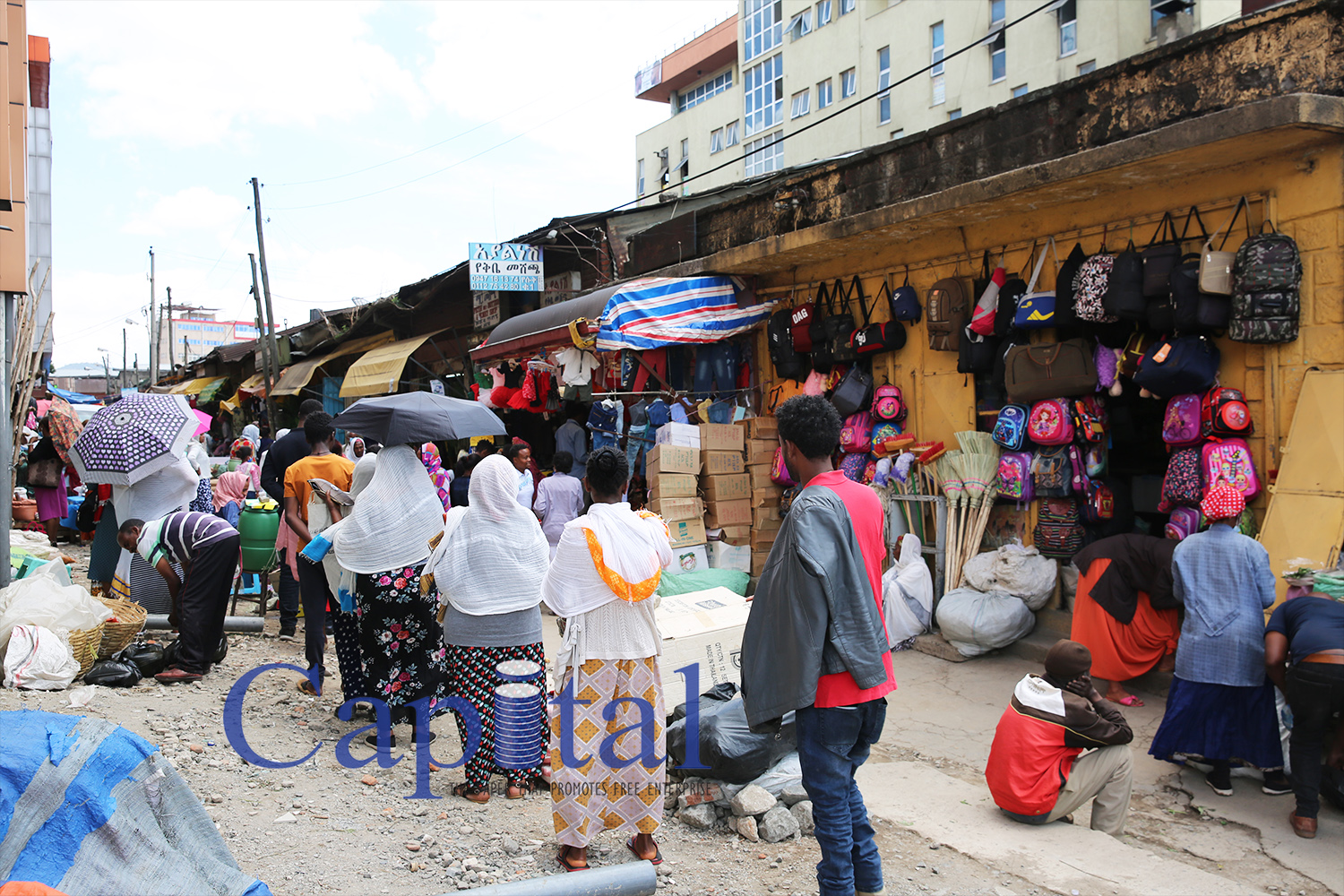
Usually at a time of such kinds of big holidays it was familiar to see bazaars and exhibitions in most parts of the city however this year due to the pandemic and to avoid public gatherings such events where canceled .