

The newly formed region Sidama disclosed that it is aggressively working to attract new investments.
Sidama officially became a standalone region about two months ago after securing a budget in the 2020/21 budget year. It has since then become eager to improve the investment flow in its potentials.
In the past, when it was one of the zones in the SNNP region, with its town Hawassa, it was one of the major hotspots for investment. Now that it is independent, it is eager to continue with the same.
Particularly the lake side town and capital of former SNNP region and current Sidama capital, Hawassa, has attracted local and international hospitality sector investors. It has now become one of the recreation and conference destinations for local and international visitors.
Desta Ledamo, president of Sidama region, told Capital that the new region has been focused on ensuring peace and stability whichthat is now fully achieved.
“As an administration that started fully functioning two months ago, besides ensuring the stability of the region we have also focused on the service that we will provide for investors. We have keenly noted the area where we want to accelerate our service provision as per our investors demand, that is, in addition to developing the required infrastructure,” Desta Ledamo stated.
“We believe that the region has big potential for various investments and to that effect we have commenced promoting the investment opportunities,” he added.
The region has targeted to expand export oriented investments like the coffee sector and other industries like the textile and garment sector that existsexisted in Hawassa.
New park is being developed for the production of textile and garment which we are consequently focusing on its export market.
The town is also the destination for the first and biggest statestated owned industry park in the country that is mainly producing garment and textile for prominent global brands and retailers.
The region is also one of the sources of coffee beans, which is the major source of hard currency for the country.
Desta said that his region has given attention for the expansion farming, “We are targeted to supply more coffee beans to the central market for export.”
According to the president, to attain the target the region is working on expanding the farmers’ coffee garden and productivity based on the required science.
Besides expanding the beans volume, value addition has received attention by the region.
“On the value addition scheme investors have already secured a location at Yirgalem Agro Processing Park, 323 km south of Addis Ababa,” he added.
“Our region is very close tofor the central part of the country and also easily accessible by air and in the near future on express road. This is a good opportunity for investment flows in the region besides its resources,” he said.
To sustain the investment flow the president underlined that peace and security is a priority that the region should ensure than the experience observed in other regions.
On the process to secession from SNNP, Sidama has been experiencingexperienced instability, while the president confidently stated that his region is now totally peaceful.
Sidama’s road to rejuvenation

Microinsurance receives boost by new NBE directive
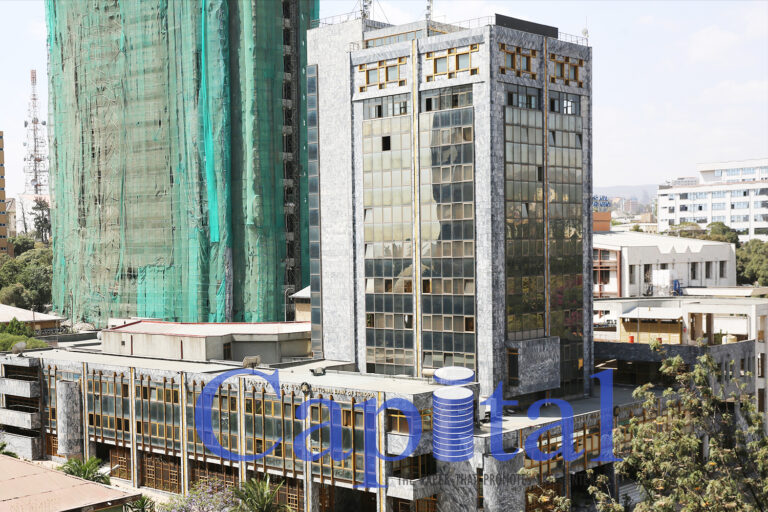
Insurers and Micro-Finance Institutions (MFIs) as per NBE’s Directive can both now fully be involved in the microinsurance business alongside micro-insurance institutions, at the capital of 10 million birr for comprehensive insurance services.
The ‘licensing, license renewal and product approval for microinsurance providers directive no. SMIB/3/2020’ that was issued by the National Bank of Ethiopia (NBE) has allowed the formation of microinsurance companies and also given a right to the mainstream insurers to run microinsurance businesses without separate licenses.
The directive allows MFIs to undertake the microinsurance business with a separate unit, with keen supervision by NBE.
The directive, article 6.1, allowed micro-insurers to provide all microinsurance products including weather index insurance, however the weather index product shall be subject to prior reinsurance treaty arrangements.
Companies that demand to run microinsurance should have a paid up capital of three million birr for life or long term insurance business and seven million birr for general insurance business. A company which demands to run both businesses must have a paid up capital of 10 million birr.
The directive stated that the microinsurance business unit of a microfinance institution must at all times maintain a financially sound position by holding assets in a separate microinsurance business unit fund to meet the minimum capital requirements set out in sub article 5.3.3, which states that the minimum paid up capital for life business as three million birr and 7 million birr for general business, or the minimum solvency requirements prescribed in the relevant directive for the microinsurance business whichever is greater.
The directive article 5, sub article 3.1, indicated that a microfinance institution may carry on credit life insurance to its loan clients without authorization from NBE to conduct its business.
Excluding credit life, MFIs shall establish a microinsurance business unit for the management and running of the microinsurance operation.
According to the directive article, 6 sub article 2.1, the maximum sum insured per risk for microinsurance products (life and general) shall not exceed one percent of the paid up capital of the life or general microinsurance business.
Belay Tulu, Director of Insurance Supervision Directorate at NBE, clarified that the maximum one percent of the paid up capital is that related to the amount stated for microinsurance.
The insurance business in the country is very limited and its contribution to the GDP is similarly small.
There have been several pilot microinsurances whose application have spanned over 15 years but it had not addressed the massive population. “Now the directive will help to scale up the tests,” Belay said.
The microinsurance directive is stated as a support to realize the movable asset loan. The movable collateral has targets to address those who are not included on the formal access to finance schemes.
The movable collateral registry directive indicated that five percent of the annual loan disbursement of banks to be allocated to the agriculture sector, which mainly focused on micro, small and medium enterprises and cooperatives.
The recently issued namely, ‘codification, valuation and registration of movable properties as collateral directive no. MCR/02/2020’ is expected to implement the highly anticipated loan scheme.
“The directive may simplify the operation and minimize the potential risks in the lending process for banks thus creating easy and simple access to credit,” Temesgen Zeleke, Director of Financial Inclusion Secretariat at NBE said on the discussion with the representatives of financial institutions on the meeting held on the 9th of September at the headquarters of NBE.
On the codification process both serial number and non-serial are included, while valuation is managed by relevant government bodies and affiliates like Ethiopian Commodities Exchange.
“When the new loan scheme commences those who have saving on informal system would come to the formal saving that means at banks,” the Director of Financial Inclusion Secretariat said.
“It may improve the resources at financial institutions that would be instrumental for loans on the new scheme,” the NBE official added.
The new directive will present an opportunity for equitable financial scheme. “Currently banks are collecting savings from rural areas but their financing for the stated locations is very low. Therefore, the new directive will help to address all parts of the society in terms of financing,” Temesgen said.
COVID-19 genome sequencing laboratory network launches in Africa
Noncommunicable diseases increase risk of dying from COVID-19
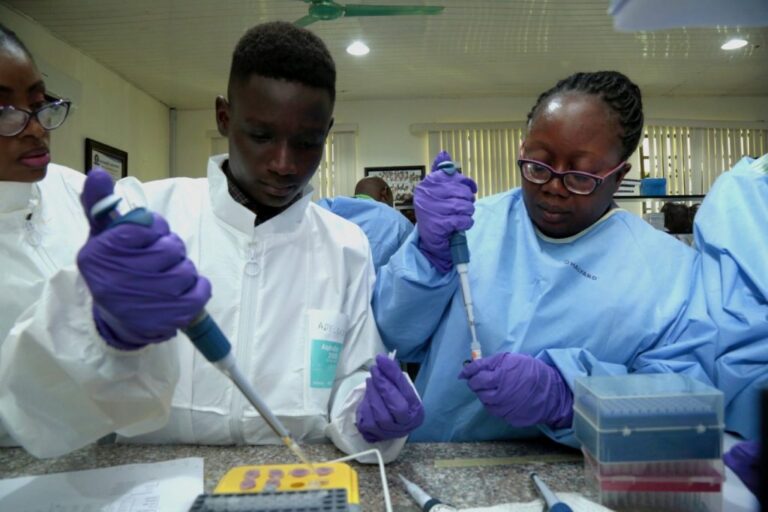
With several African countries now expanding COVID-19 testing, the World Health Organization (WHO) and the Africa Centres for Disease Control and Prevention (Africa CDC) have launched a network of laboratories to reinforce genome sequencing of the severe acute respiratory syndrome coronavirus 2 (SARS-CoV-2), the virus that causes COVID-19, in Africa.
Twelve specialized and regional reference laboratories in the network will provide sequencing, data analysis and other technical support services to the countries where they are located as well as to neighboring countries and countries in their sub-regions.
“As we continue to tackle the COVID-19 pandemic in Africa, being able to not only track its evolution, but also assess the possible mutation of the virus is crucial to mounting an effective response,” said Dr Matshidiso Moeti, WHO Regional Director for Africa. “Through this new laboratory network dedicated to genome sequencing we can better develop vaccines and treatment which are tailored to Africans and eventually bring COVID-19 under control.”
Ongoing sequencing is already providing crucial information for determining the type of SARS-CoV-2 lineage circulating in some countries. It has shown that most of SARS-CoV-2 genomes circulating in Africa are assigned to the B.1 lineage which emerged from the epidemic in Europe.
In Africa ten lineages have been identified and more than 80,000 sequences have been produced globally. Grouping viruses from different countries into the same lineage or sub-lineage has indicated a linkage or importation of viruses between countries. Countries such as the Democratic Republic of the Congo (DRC) and South Africa are experiencing localized transmission, while there is also importation of cases in the DRC from Ghana, Morocco and Senegal.
“In 2019, Africa CDC launched the Institute for Pathogen Genomics to support the integration of pathogen genomics and bioinformatics into public health surveillance, outbreak detection and investigations, and improve disease control and prevention in Africa. The establishment of the COVID-19 sequencing network will help improve surveillance in the continent and help countries to effectively manage and control the pandemic. As the COVID-19 pandemic curve flattens in Africa, we must be prepared for a possible resurgence as already observed in some countries. With genomic sequencing we can have a better understanding of the pandemic through more precise identification of transmission clusters,” said Dr John Nkengasong, Director of Africa CDC.
Africa CDC and WHO together with other partners, are providing Member States with sequencing equipment, reagents and technical support to accelerate SARS-CoV-2 sequencing in Africa. A total of 2016 sequences from 18 countries – Algeria, Benin Republic, Cameroon, DRC, Egypt, Gambia, Ghana, Kenya, Madagascar, Mali, Morocco, Nigeria, Senegal, Sierra Leone, South Africa, Tunisia, Uganda, and Zambia – have already been generated.
This WHO and Africa CDC partnership to establish a COVID-19 sequencing laboratory network is very important in determining the response to a given SARS-CoV-2 strain and in helping countries manage localized or imported transmission.
In related development, there is increasing evidence that Africans living with noncommunicable diseases (NCDs) such as hypertension and diabetes are more likely to suffer severe cases of COVID-19 and die.
In South Africa, which accounts for nearly half of all cases and deaths on the continent, 61% of the COVID-19 patients in hospitals had hypertension and 52% had diabetes. And 45% of people aged 60-69 who died from COVID-19 also had hypertension. In Kenya, around half of COVID-19 deaths occurred in people with NCDs, while in the Democratic Republic of the Congo, such patients accounted for 85% of all COVID-19 deaths.
According to a WHO preliminary analysis of 14 countries in the African region, hypertension, diabetes, cardiovascular disease and asthma are the co-morbidities most associated with COVID-19 patients. These chronic conditions require continuous treatment, but as governments address the ongoing pandemic, health services for NCDs have been severely disrupted.
“Millions of Africans living with noncommunicable diseases are at greater risk of complications or dying from COVID-19,” said Dr Matshidiso Moeti. “So it is very concerning to find that just when people with hypertension and other chronic conditions most need support, many are being left out in the cold.”
In a WHO survey of 41 countries in sub-Saharan Africa, 22% of countries reported that only emergency inpatient care for chronic conditions is available, while 37% of countries reported that outpatient care is limited. Hypertension management has been disrupted in 59% of the countries, while diabetic complications management has been disrupted in 56% of the countries.
Ethiopian investors stitching money in the garment industry
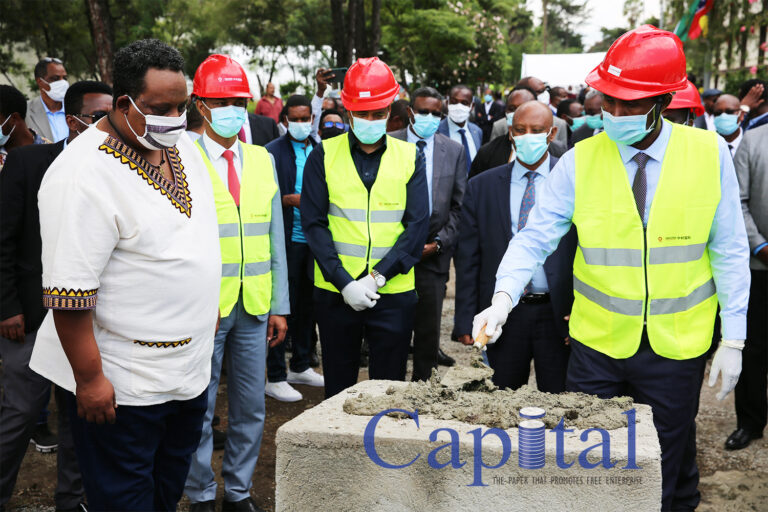
The first Ethiopian owned Garment Park has commenced the construction of 14 sheds at Hawassa at a cost of two billion birr.
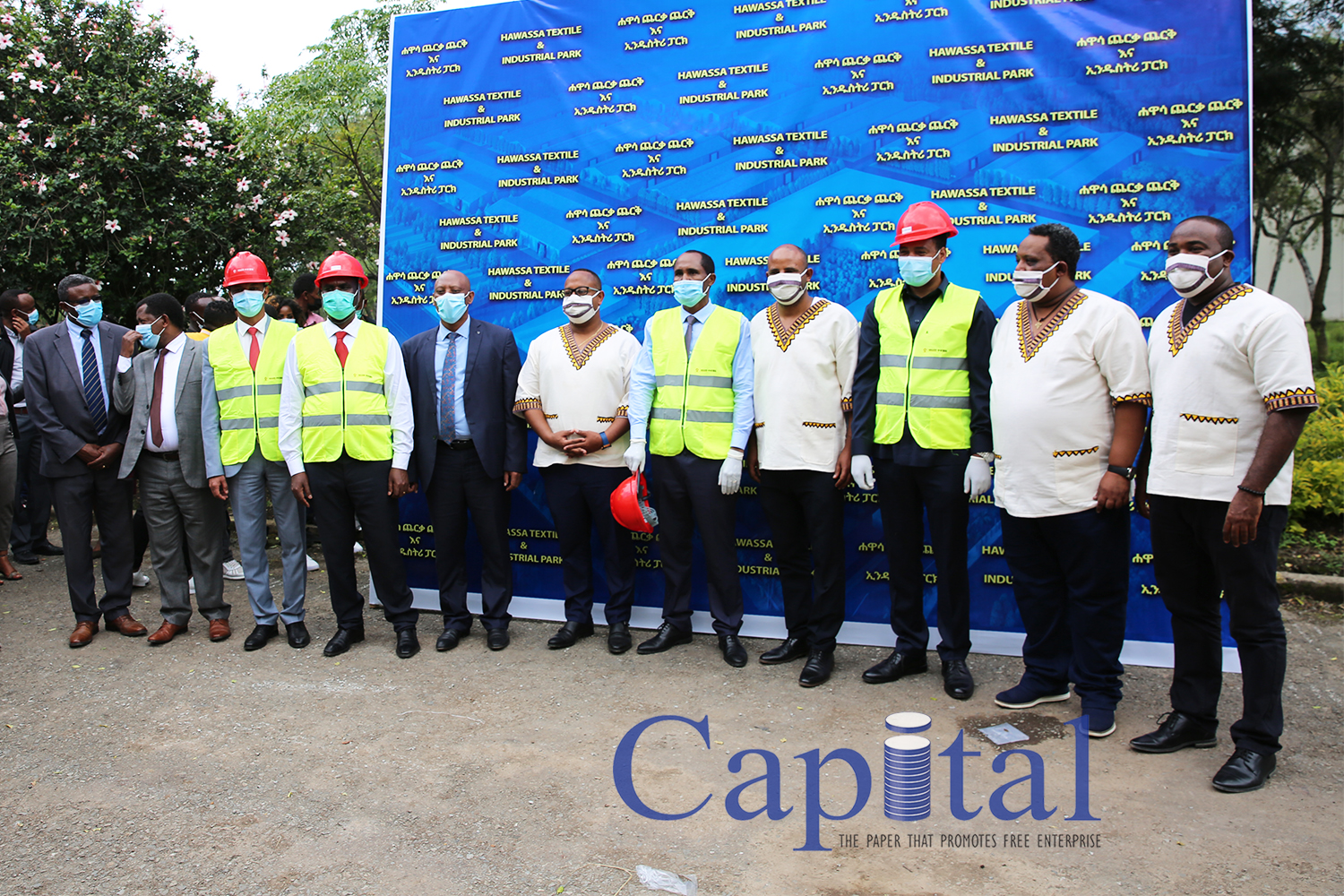
On a ceremony held on the 6th of September, Hawassa Textile and Industry Park has announced that it has commenced the construction of the garment sheds. The ceremony was graced with the presence of the President of the Sidama Region- Desta Ledamo and state Minister of Trade and Industry- Misganu Arega.
The former Awasa Textile, which changed its name to Hawassa Textile and Industry Park that commenced operation three decades ago has been one of the public enterprise passes on different privatization scheme, which introduced the former ruling coalition, EPRDF, controlled the political power in early 1990s.
During the early stages of the privatization process the company was leased to foreign investors and later on fully privatized. At these stages when it was not performing accordingly it was controlled by banks as collateral until the current owners secured the facility. It is currently located at the South Eastern outskirt of Hawassa town.
CEO and one of three owners of the Hawassa Textile and Industry Park, Ahmed Abderuf affirmed that both him and his partners secured the facility three years ago and now the old textile machines at the existing sheds are being replaced by brand new equipment to commence production in the coming few months..
“To secure the factory, we paid half a billion birr. The purchase and installation of the new machines cost us 200 million birr and in the future an additional 200 million birr will be set for the additional equipment on the textile production at the port,” said Ahmed to the media at the press conference held in relation to the construction launch ceremony.
The factory will have a capacity to produce 14 tons of textiles per day when it commences operation in the coming four months.
He added that the new 14 shades that will be erected in 11,000 square meter area each will be ready for production in less than a year.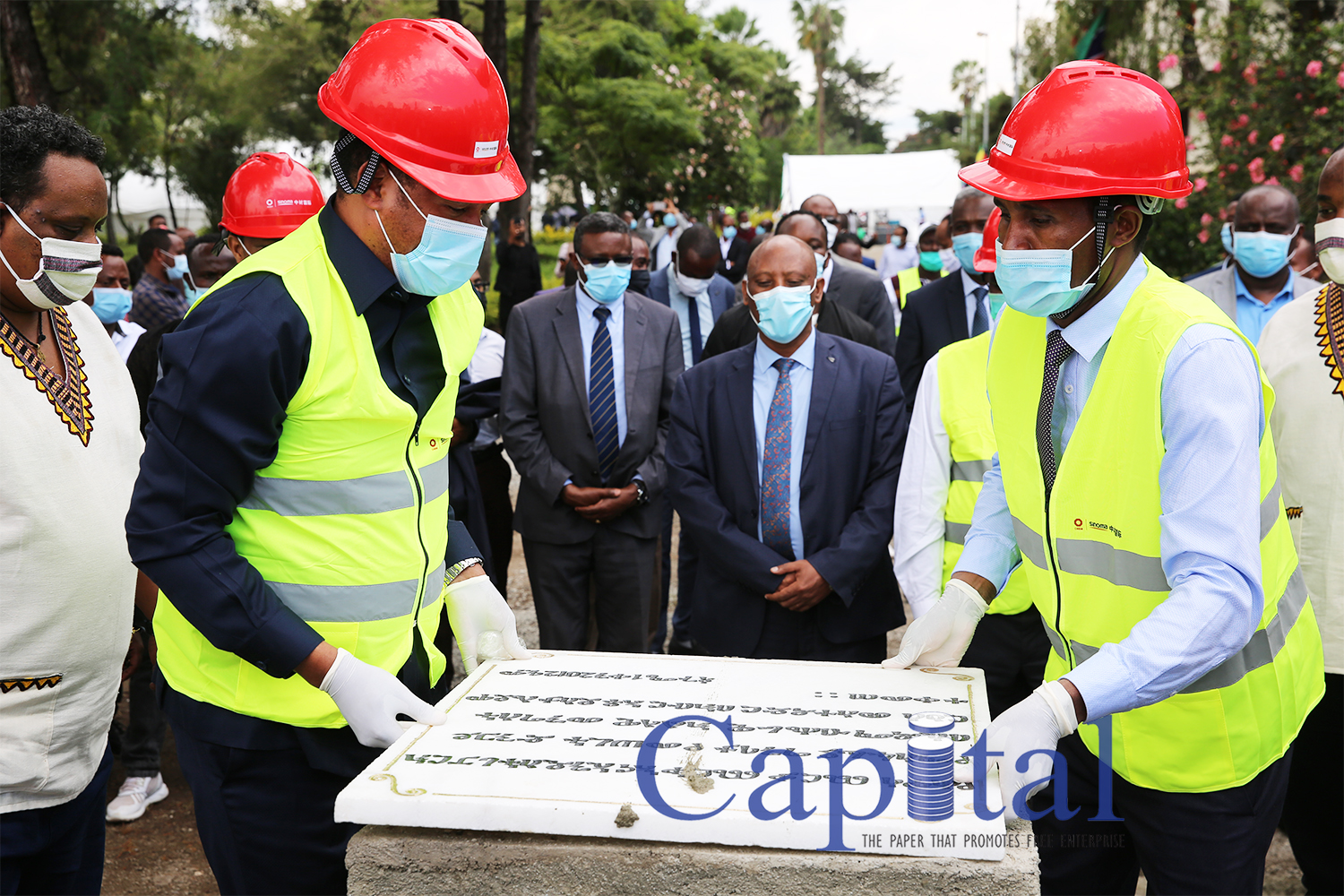
The new project that is currently on a 35 hectare piece of land is being constructed by Sinoma International Engineering Co Ltd. The Chinese state-owned construction company was previously engaged in the expansion of Muger Cement and the erection of Dangote Cement.
“Prominent global brands like Gap have already shown their interests to invest in the sheds,” Ahmed said.
Most Textile and Garment industry parks in the country are controlled by the government. Furthermore, foreign investors are actively involved in the development of the industrial parks. However this is a first for Ethiopia Investors to manage ‘garment park’ and even fully invest on the parks. In addition Ahmed states that his company will expand similar facilities in other parts of the country.
The park in Hawassa is expected to accommodate up to 30,000 jobs. “In terms of size and job opportunity our park will be the second facility,” the CEO explained.

Currently the biggest park in the country is the state owned Hawassa Industry Park, which is located in a similar area just few kilometers from Hawassa Textile and Industry Park.
According to the CEO, most of the products from the existed textile factory and the future facility will be exported.
Misganu explained that the government has a target for this industry to contribute to the GDP from the current 17 percent to double this percentage. He adds that they will provide support to this investment which will contribute massively in job creation and urbanization.
Ahmed further informed Capital that United Bank was the financier for the textile factory investment. The Commercial Bank of Ethiopia is also expected to provide support for the project.
Desta, who leads the new region, said that his government will provide every support that is required in realizing the investment.
